
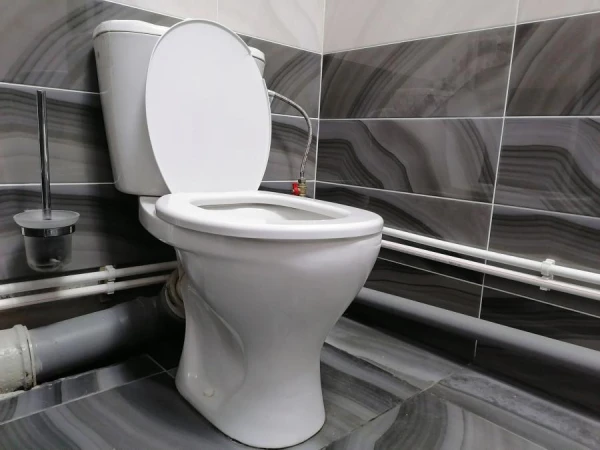
The abbreviation WC, familiar today worldwide, did not appear by chance. As noted by the Mirror publication, its history is closely linked to etiquette norms and the development of sanitation technologies in 19th century Britain.
In those times, the aristocratic society avoided direct mention of the toilet - it was considered a sign of bad manners. To avoid putting people in an awkward position, especially in public places, a neutral term, water closet, began to be used, which later shortened to the familiar two letters - WC.
At the same time, sanitation technologies were actively developing. The word "toilet" appeared much later than the actual design. One of the pioneers in this field was British engineer and entrepreneur Thomas Twyford. In 1883, he patented a new model of the toilet that combined a ceramic bowl and a flushing mechanism. He named his invention The Unitas, which translates to "unity" or "combination."
The first customers for the innovative design were the English royal court, which contributed to the rapid spread of the new system. Subsequently, similar toilets began to be installed in public buildings, where the designation WC became a convenient and universal solution.
Historians note that the 19th century was a turning point in the development of toilets and sewage systems. These changes played an important role in improving public health and hygiene, and the abbreviation WC became established as an international symbol of sanitary facilities, understood without translation.
















Leave a comment