

Microscopic cell structures successfully attached and embedded into the artificial lining.
An international team of scientists managed to grow a uterine lining in laboratory conditions at the end of last year. They believe this could help better understand the poorly studied early stages of human pregnancy and the disorders that can lead to miscarriage and other health problems. During the experiments, early human embryos obtained after in vitro fertilization successfully attached to the artificially created lining. After that, they began to synthesize important substances, including the hormone responsible for the appearance of the second line on a pregnancy test.
Thanks to this method, researchers were able to "hear" the chemical dialogue between the embryo and the uterine lining—a process that occurs at the moment of attachment and the beginning of the embryo's nourishment in the first weeks of pregnancy. Implantation begins about seven days after fertilization—at this moment, the developing embryo attaches to the uterine wall and penetrates its tissues. This is one of the key stages of pregnancy; however, it remains insufficiently studied due to the difficulties of direct observation. Most modern knowledge is based on data obtained from hysterectomies performed in early pregnancy more than fifty years ago.
To create the artificial uterine lining, the team used samples of uterine tissue taken from healthy women who voluntarily agreed to a biopsy. Two types of cells were isolated from these tissues: stromal cells, which provide the supportive structure of the lining, and epithelial cells, which form its surface layer. Stromal cells were placed in a biodegradable hydrogel, and epithelial cells were applied on top of them. The resulting model was tested with donor embryos at an early stage of development obtained through IVF. In the journal Cell, they reported that microscopic cell structures successfully attached and embedded into the artificial lining, just as they do under natural conditions. After implantation, the embryos began to actively secrete human chorionic gonadotropin (hCG)—a hormone detected by pregnancy tests—as well as other substances associated with its development.
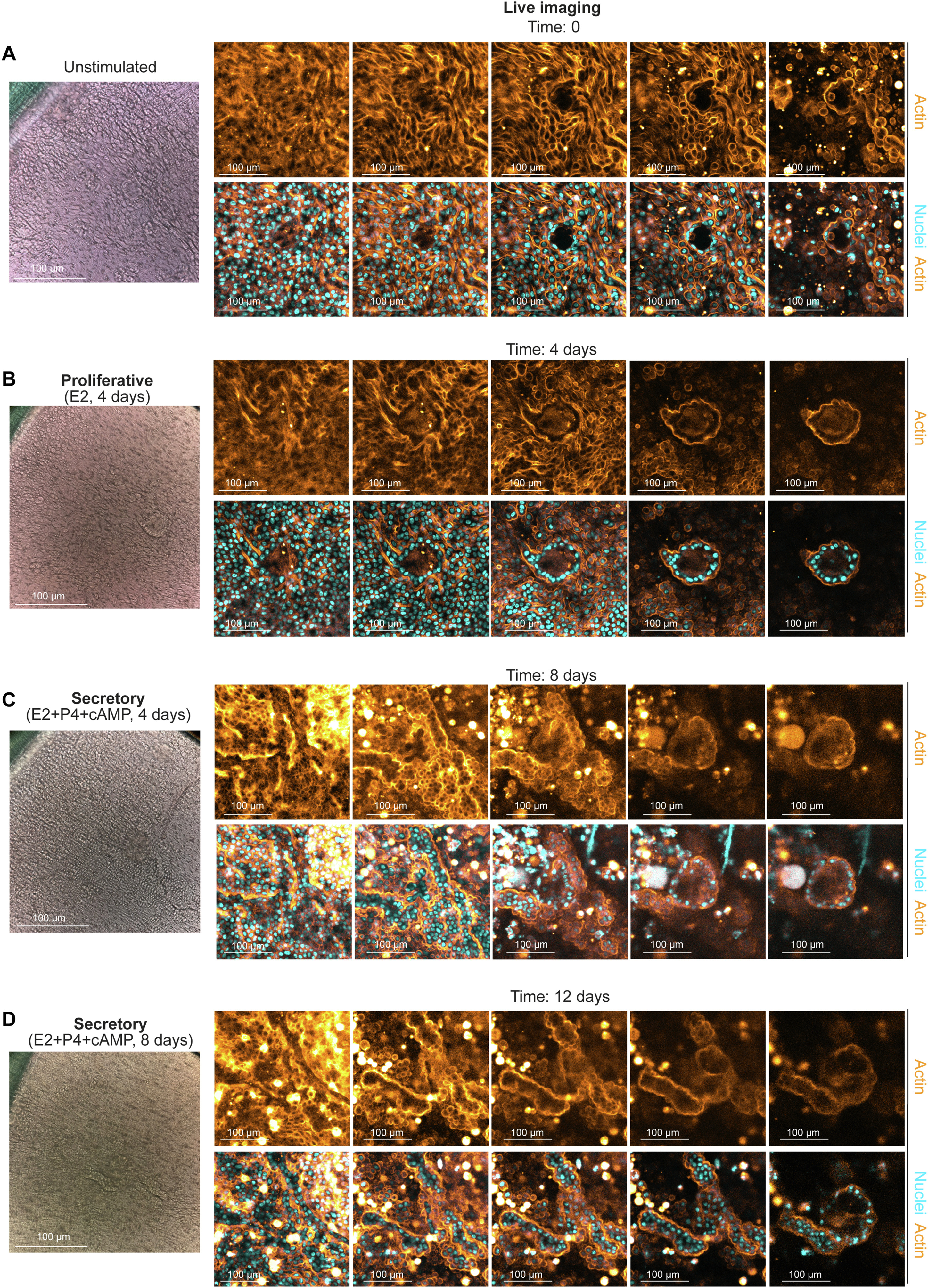
The use of this technology allowed for the observation of embryo development for 14 days after fertilization—the maximum period allowed for such studies. During this time, specialized cells formed in the embryos, as well as cells involved in the formation of the placenta. To better understand the processes occurring, the scientists studied the areas of embryo attachment to the artificial uterine lining and analyzed the molecular signals exchanged between the embryo and the tissue. These signals play a crucial role in the onset of pregnancy and its subsequent successful course.
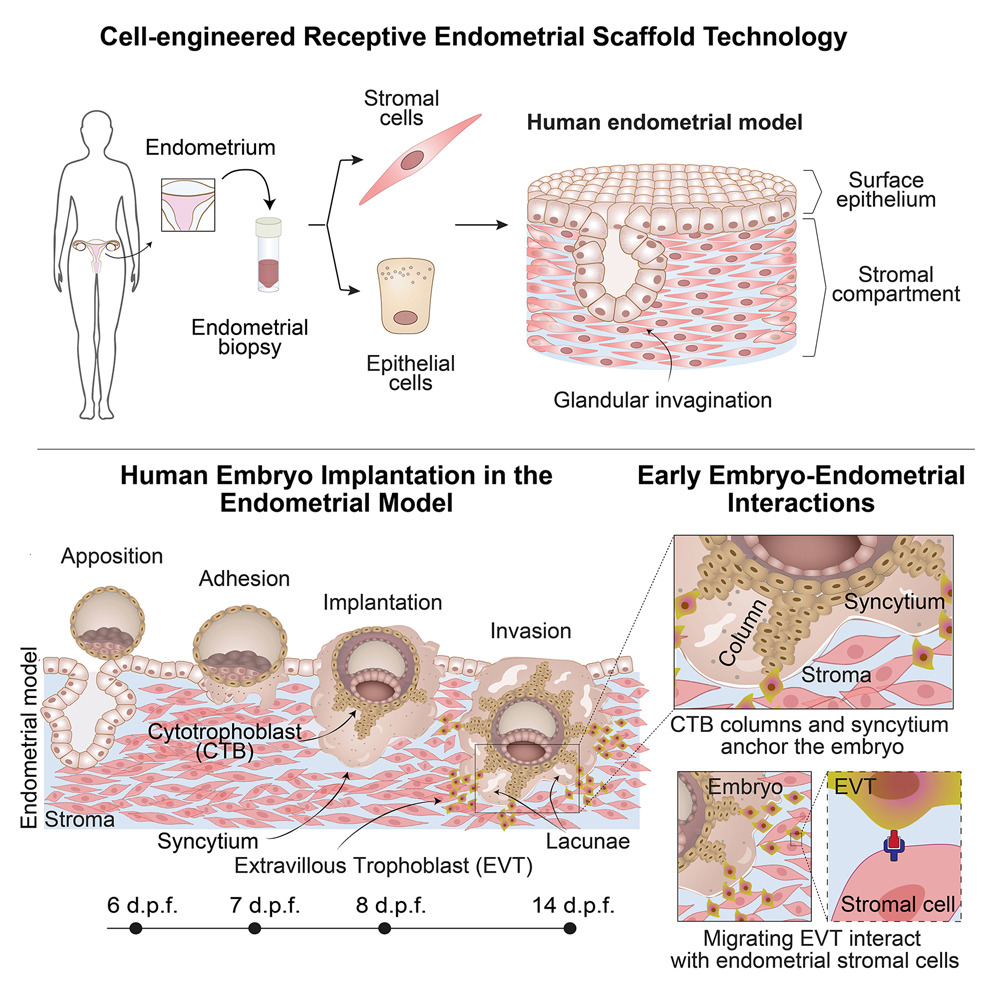
In the next stages of their work, the researchers plan to determine what processes unfold after implantation when the formation of the placenta begins. It is at this stage, according to specialists, that a significant portion of severe pregnancy complications arises. In one of the experiments, the scientists intentionally blocked a specific signaling pathway between the embryo and the uterine lining using a chemical substance. As a result, pronounced disruptions appeared in the tissues from which the placenta develops, confirming the method's suitability for studying the consequences of failures in intercellular signal transmission.
















Leave a comment