
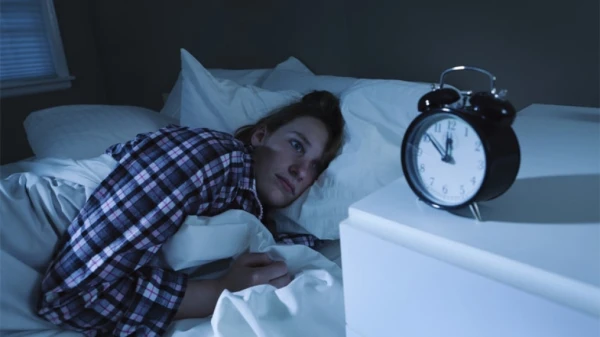
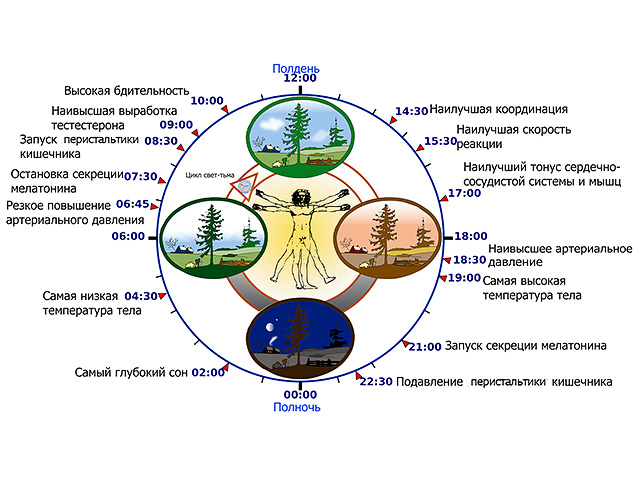
Circadian rhythms are the body's internal clocks that operate on a 24-hour cycle.
Working night shifts, frequent flights across time zones, and chaotic sleep patterns not only exhaust the body but are also associated with an increased risk of developing particularly aggressive breast cancer. For a long time, scientists did not understand why this happens. A new study from the College of Arts and Sciences at Texas A&M University sheds light on this connection. Researchers showed that disruptions in circadian rhythms change the structure of breast tissues and weaken immune defense, and also identified a possible way to counteract these effects.
Circadian rhythms are the body's internal clocks that operate on a 24-hour cycle. They regulate not only sleep but also hormone production, recovery processes, and immune function. To study the impact of disruptions to these rhythms, researchers observed two groups of genetically modified animals prone to developing aggressive breast cancer. One group lived under normal day-night cycles, while the other was exposed to constantly changing lighting that disrupted their biological clocks.
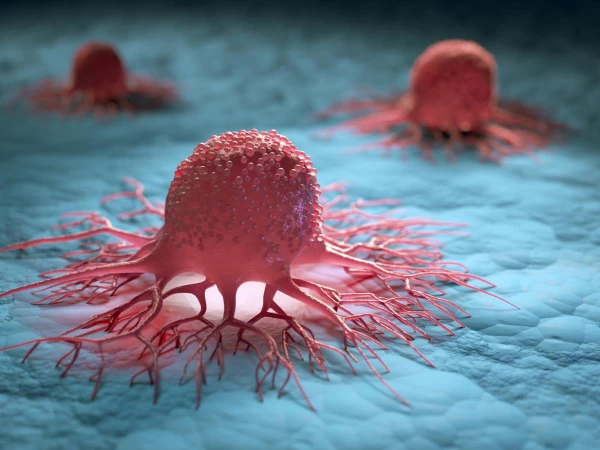
The results, published in the journal Oncogene, were impressive. Typically, tumors appear around the 22nd week, but in animals with disrupted rhythms, cancer developed as early as the 18th week. Moreover, tumors in these animals grew faster and more frequently metastasized to the lungs—a significant indicator of poor prognosis. Disruption of the internal clocks also weakened the immune system, creating a more favorable environment for tumor cells. Changes also affected healthy breast tissue, making it more susceptible to cancer.
In studying the mechanisms, the scientists focused on the molecule LILRB4—a receptor known for its role in suppressing the immune response. Under normal conditions, it protects tissues from excessive inflammation, but in cancer, it becomes a factor that shuts down immune defense.
When researchers blocked this "control switch," the immune system was able to more effectively combat the disease again. This opens up prospects for new treatments for aggressive forms of breast cancer associated with circadian rhythm disruptions.
Thus, the work experimentally confirms that constant disruptions of internal biological clocks are not just correlated with an increased risk of cancer—they may actually enhance its progression. At the same time, it shows that intervening in these mechanisms may help reduce the harm caused by chronic disruptions of routine.













Leave a comment