Investors everywhere are driven by the same thing — the expectation of growth and long-term profit.
Almost every couple of months, a new Chinese space company emerges with another rocket project and promises to reach orbit in the coming years. For a long time, most of these projects suspiciously resembled SpaceX's Falcon 9, but now the situation is changing.
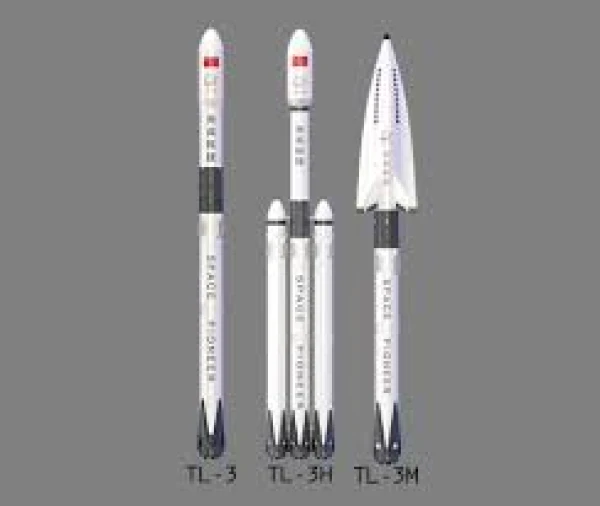
The first of these "doppelgängers" was the Zhuque-3 rocket, developed by LandSpace, which completed its first flight earlier this month. The main mission went smoothly; however, the landing attempt ended in failure — a quite expected result for a debut flight.
However, over the past year, there has been a noticeable shift in China's approach to new launch technologies. Just as SpaceX seeks to transition from its "workhorse" Falcon 9, which has been flying for a decade and a half, to the fully reusable Starship, Chinese companies have also begun to reassess their ambitions.
The trend was set by the Chinese state sector. In November 2024, authorities announced a significant change in the concept of the super-heavy rocket Long March 9. Instead of the previous design — a completely expendable three-stage rocket with side solid rocket boosters — the state manufacturer presented an option that clearly resembles SpaceX's fully reusable Starship.
Around the same time, the private company Cosmoleap announced plans to create a fully reusable rocket, Leap, within the next few years. An animated video released alongside the funding news showed that the company intends to use a landing system with a "tower capture" mechanism, similar to what SpaceX successfully demonstrated in its tests.
But that's not all. In June, Astronstone announced that it is also developing a stainless steel rocket that includes the return of the first stage using "manipulator arms." Astronstone did not even attempt to hide its source of inspiration, openly stating its "complete alignment of its technical approach with Elon Musk's SpaceX approach."
According to Ars Technica, Beijing Leading Rocket Technology went even further. It named its project "Starship-1," emphasizing that the rocket will be "fully reusable" and "enhanced by artificial intelligence."
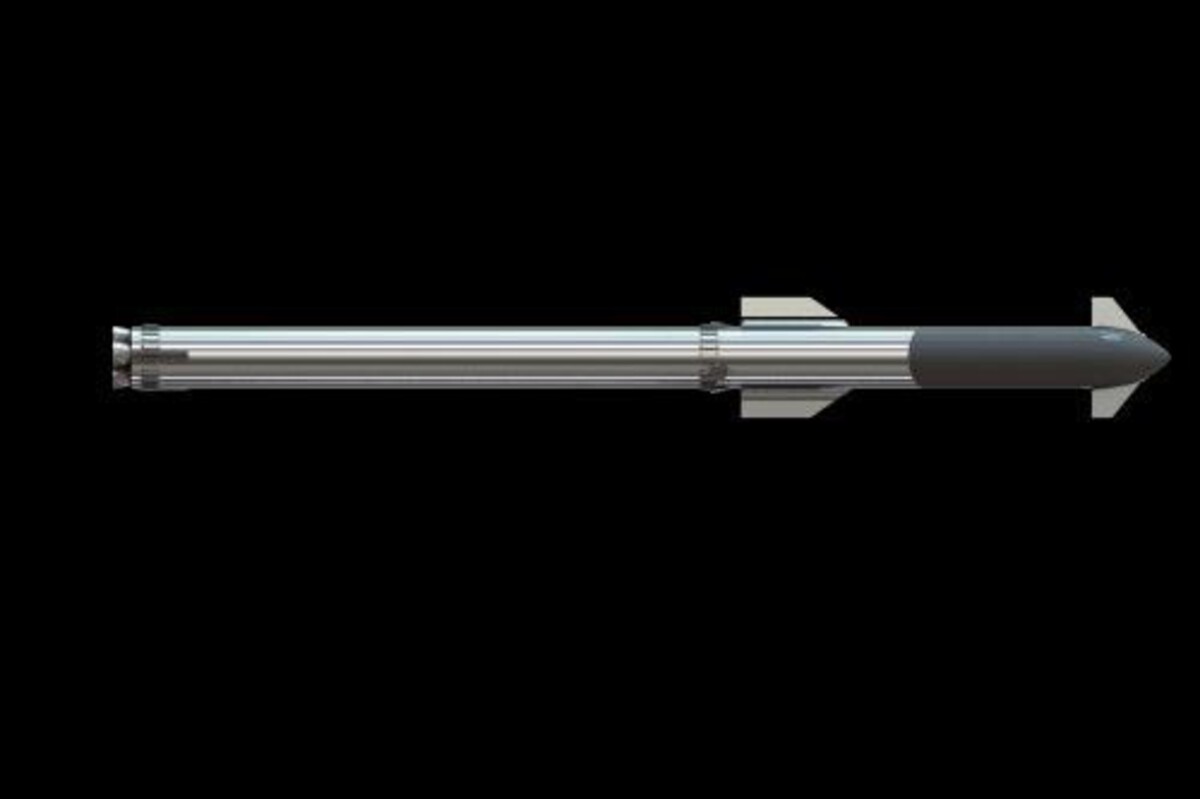
It is worth noting that, unlike the state-owned Long March 9, most Chinese startups are starting with scaled-down versions of Starship — and this makes sense, as it is practically impossible for a startup to immediately tackle the development of a super-heavy rocket.
Of course, many of these projects may never go beyond presentations and renders. The U.S. commercial space industry went through a similar period about ten years ago — back then, there were dozens of startups with a variety of ideas, but only a few ultimately managed to reach orbit.
Although the mechanisms of venture funding in China differ from those in the U.S., investors everywhere are driven by the same thing — the expectation of growth and long-term profit. Therefore, the desire to copy the most successful launch company in the world, SpaceX, and its cutting-edge technologies seems quite logical. Chinese startups are essentially promising investors to become the "Chinese SpaceX," and the most obvious path to this is to create rockets that closely resemble SpaceX's.
But whether they will be able to bring their own "Starship" to operational status is a big question. After all, even SpaceX itself is still in the active development phase of its super-heavy rocket.