
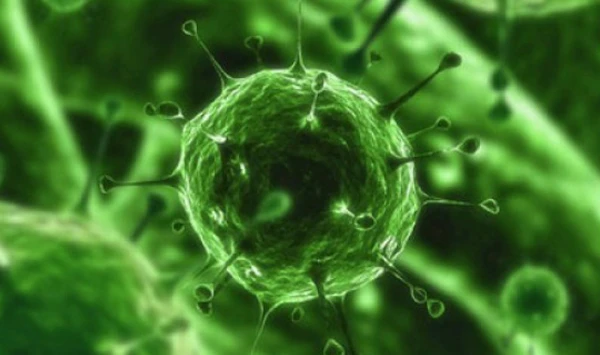
Researchers generated 302 variants of the genome.
Artificial intelligence has learned to construct functional biological viruses. Experimental confirmation of this was provided by researchers from Stanford (USA), who demonstrated that a virus with DNA designed by neural networks successfully identifies and destroys specific bacteria. This opens up vast prospects for creating artificial viruses capable of combating infections and treating diseases. However, as experts warn, this technology simultaneously opens a Pandora's box.
Scientists emphasize that malicious actors can relatively easily adapt these methods to create biological threats, to which healthcare systems and authorities may not be prepared due to the unprecedented speed of generating such pathogens.
In their experiment, Stanford scientists used the Evo model, which, unlike universal language models, was trained on millions of bacteriophage genomes—viruses that selectively attack bacteria. Using the well-studied phage phiX174, which infects Escherichia coli, the researchers generated 302 variants of its genome. Sixteen of the viruses created from these templates turned out to be functional, successfully infecting and destroying E. coli bacteria—some even demonstrated greater efficacy than their natural counterpart.
The researchers argue that the response must be symmetrical: if AI accelerates the creation of threats, then the response system must be equally swift. This requires proactive development of protective technologies—using the same AI to design antibodies, antiviral agents, and vaccines. However, the data for such research is often held in private laboratories, is restricted, or simply not collected. The authors insist that the federal government should prioritize the creation of quality open databases.
Next, it is necessary to create infrastructure for the production of AI-developed medicines, as the private sector will not invest in capacities for hypothetical crises. Finally, a revision of sluggish regulatory procedures is required. It is also proposed to establish expedited mechanisms for temporary approval of such countermeasures while conducting clinical trials and strict monitoring in parallel.














Leave a comment