U.S. military officials state that the Iranian regime has demonstrated high resilience and maintained the ability to inflict significant damage on the region and the global economy. Meanwhile, the country's nuclear arsenal has not yet been harmed.
Despite the military campaign delivering a serious blow to Tehran—an estimated 13,000 targets destroyed, the naval fleet decimated, and high-ranking commanders and intelligence officials, including Supreme Leader Ayatollah Ali Khamenei, eliminated—the adversary is quickly regaining strength. This was reported by The New York Times.
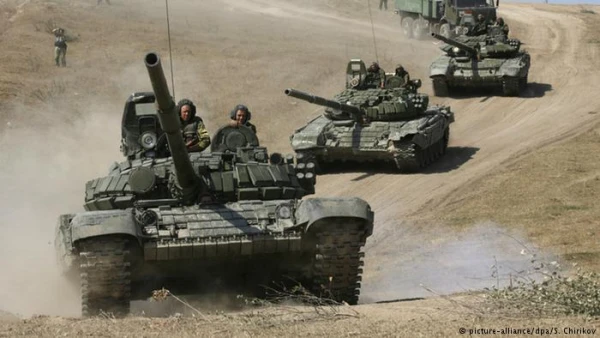
According to an anonymous U.S. military official, Iran effectively utilized the month-long ceasefire with the United States. During this time, Tehran managed to clear dozens of bombed ballistic missile positions, relocate mobile launchers, and, despite significant losses, adjust tactics in case strikes resume.
The source stated that many ballistic missiles were launched from deep underground bunkers and facilities carved into granite mountains, which are difficult to destroy by American air power. In previous attacks, the U.S. primarily bombed the entrances to these sites, collapsing and burying them, but not destroying the weapons inside. Iran has already excavated a significant portion of such facilities.
Additionally, the Iranian command, possibly with the assistance of Russia, has been closely studying the flight trajectories of American fighters and bombers. A source in the defense department warned that the downing of an F-15E fighter last month and the ground attack on an F-35 showed that U.S. Air Force tactics had become too predictable. This allowed Iran to more effectively build its air defense.
Most importantly, while five weeks of intense bombing took the lives of key leaders of the Islamic Republic, the conflict has made the adversary more experienced and resilient. Iranian military forces have redeployed much of the remaining weaponry, bolstering confidence that the country can successfully counter the U.S.—whether by blocking the Strait of Hormuz, attacking the energy infrastructure of Gulf states, or creating threats to American aviation.