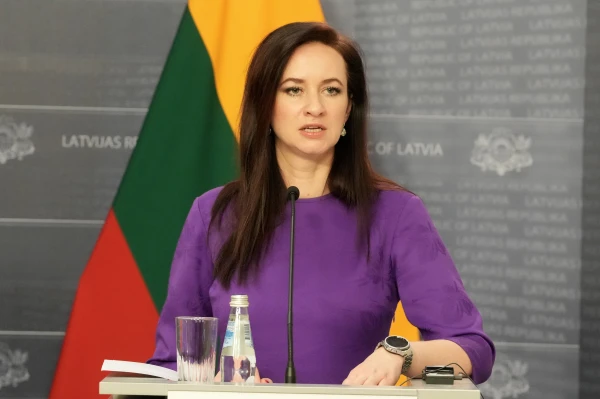
This is the opinion of Maris Cepuritis, director of the Center for Eastern European Policy Studies and a lecturer at the University of Latvia. He stated this to the LETA agency.
According to his assessment, there are no direct threats to the stability of Putin's regime in 2026, but sanctions will exert stronger pressure, primarily on Russian society and the private sector. Inside the country, the Kremlin, according to the expert, will rely on repression, censorship, and the suppression of any noticeable opposition, including attempts to clean up activities outside of Russia.
Externally, Cepuritis believes the focus will be on pressure through negotiation processes and weakening Ukraine's position, including limitations on its sovereignty and security capabilities. At the same time, Moscow will destabilize the security of neighboring regions and attempt to influence elections in Europe, combining old tools with new ones.
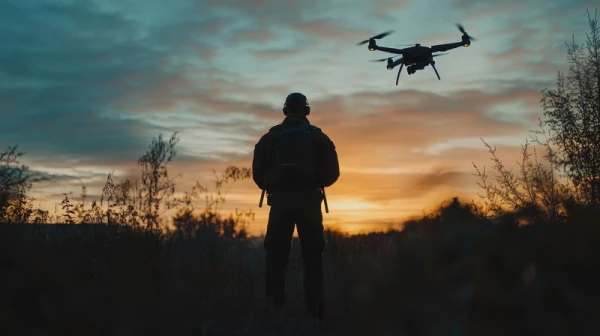
A separate risk he emphasizes is more noticeable actions: possible sabotage attempts, flights of unidentified drones, displays of force in the Baltic Sea. The logic is simple: to make European countries spend more attention and resources on their own defense and less on supporting Ukraine, while simultaneously testing NATO's reaction and pressuring public opinion.
Mark Rutte stated that Europe needs to prepare for a full-scale conflict, the likes of which "has not been experienced since our great-grandparents and parents."