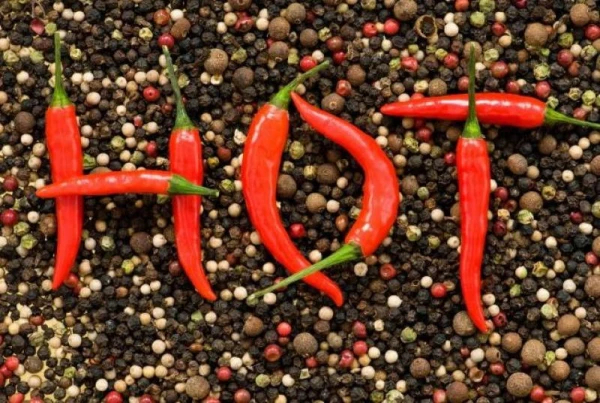
The main "fire" of spicy dishes is provided by the substance capsaicin.
Chili, curry, pepper salsa — all of this can be a little celebration for the taste buds, but overly spicy dishes can not only "burn" the mouth but also pose a real challenge for the body. The Cleveland Clinic reported that everything is good in moderation. So, let’s figure out how spicy food affects health, when to be cautious, and whether it can be beneficial.
The main "fire" of spicy dishes is provided by the substance capsaicin — an oily compound that makes nerve endings "think" that the body is overheating. The more capsaicin, the spicier the product.
Everyone reacts to it differently: some genetically have fewer receptors for capsaicin and can eat spicy food without problems, while others gradually develop a tolerance to spices.
Health Risks
The biggest danger is a severe reaction from the body, especially if:
-
you rarely eat spicy food;
-
you have gastrointestinal problems;
-
you are genetically sensitive to capsaicin;
-
you consume a lot of spicy food at once.
Consequences can include:
-
stomach pain;
-
burning sensations and diarrhea;
-
chest pain, headaches, nausea;
-
in the most extreme cases — esophageal damage due to acid from vomiting, which may require emergency assistance.
Therefore, those popular "challenges" with super spicy chips are a real test for the stomach if you are not prepared.
Ulcers and Death from Spicy Food
A common myth is that spicy food causes ulcers. In fact, capsaicin does not provoke ulcers; on the contrary, it may help fight the H. pylori bacteria that cause them. However, if you already have an ulcer, it is better to avoid spicy food, as it can worsen the condition.
Another fear is that spicy food can kill. Theoretically, super spicy varieties, like ghost pepper, can be dangerous in extremely large amounts. But in practice, such a dose is unrealistic for an average person.
What to Do If the "Heat Is Off the Charts"
Water won’t help — capsaicin is oily and spreads only with liquid. You may find relief from:
-
milk;
-
lemonade;
-
bread.
These foods reduce burning and soothe the mucous membranes more quickly.
Who Should Limit Spicy Food
People with digestive issues, such as:
-
inflammatory bowel disease (IBD);
-
gastritis;
-
acid reflux.
For others, spicy food can be eaten in moderation and may even be beneficial.
Benefits of Spicy Food
A small dose of spices can be beneficial because:
-
it helps control weight;
-
it supports heart health;
-
it may reduce the risk of certain types of cancer.
So feel free to enjoy curry, chili, or spicy salsa — just listen to your body and don’t overload it with capsaicin. Gradually increase the "spiciness" of dishes to help your body adapt. If you experience pain or intense burning — immediately reduce the portion.