
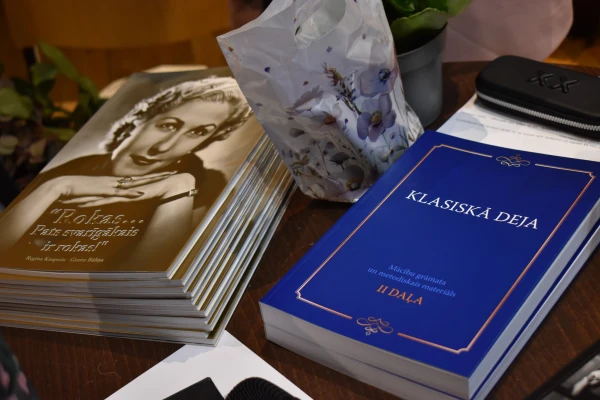
Three books on choreography have been presented at the Riga Ballet School.
Books in Latvian, but all of them are directly related to Russian names that contributed to the glory of Latvian ballet!
The Dying Swan
The authors are the head of the Latvian Ballet Guild and founder of the Baltic International Ballet Competition, Regina Kaupuža, and professor at the Latvian Academy of Culture, Gunta Balinā. Both were former soloists of the Latvian ballet, who formed a kind of literary pas de deux and are now presenting the second volume of a classical dance textbook, as well as two books about the legends of Latvian ballet from the past - "Marina Sizova. Hands, the most important thing is the hands!.." and "Valentin Blinov, multifaceted and unique."
It is certainly noteworthy that the surnames of the main characters in these publications are Russian. Moreover, they are names with a rich history in choreography, closely intertwined with the St. Petersburg ballet school, which has long been recognized as the classical foundation for the entire world of choreography! Times for Russian culture are currently, for obvious reasons, not very friendly. But in this case, it seems that all connoisseurs of Latvian art are understanding of the fact that Latvian ballet has quite Russian roots. And what roots they are!
At the origins of our ballet was Alexandra Fedorova, a former soloist of the Imperial Mariinsky Theatre in St. Petersburg! Prior to that, from 1909 to 1914, she participated in the legendary "Russian Seasons" of Sergei Diaghilev in Paris. By the way, Alexandra Alexandrovna was married to Alexander Mikhailovich Fokin, the brother of the outstanding dancer and choreographer Mikhail Fokin, a star of the "Russian Seasons" and the author of the now-immortal piece "The Dying Swan."
"From Feet to Feet"
In a revolutionary whirlwind, when choreography, this decadent art, initially seemed out of favor with the Bolshevik authorities, the ballerina flew to Riga. And it must be said, in this sense, we were lucky because in 1925, Alexandra Alexandrovna became the choreographer and prima ballerina of the Latvian National Opera. She worked in this capacity for eight years and also led the ballet studio at the theater, which became the prototype of our current ballet school. Among her students are artists who, after World War II, became the golden age of ballet in Latvia - Alexander Lemberg (chief choreographer in the 1960s-80s), Anna Priede, Irena Strode. Kaupuža and Balinā published books about all three in previous years.
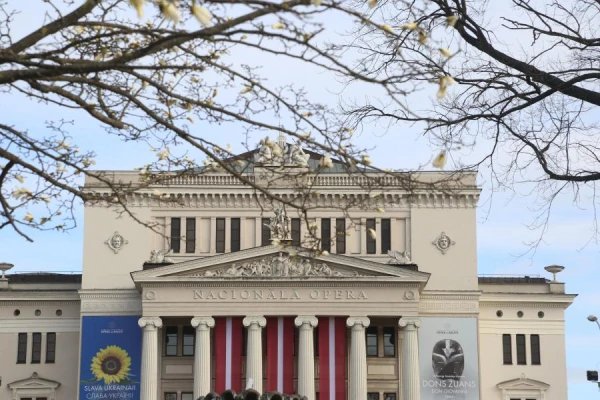
Fedorova staged 18 performances in Riga, most of which were from the golden repertoire of the Mariinsky Theatre. At that time, there were no video cameras, and photo and film were rarely used, so all the choreography of the great St. Petersburg school was passed down from hand to hand, from foot to foot. Alexandra led our ballet for eight seasons, and her memory is still honored in the main theater of Latvia - in the gallery of outstanding artists in the New Hall, there is a stand with her photographs. In 1938, Fedorova left Latvia and went to the USA, where she was a teacher in New York until 1965. She died in 1972 in New Jersey.
But the Main Thing is the Hands
And now one of the published books is "Hands, the most important thing is the hands!.." On the frontispiece is a magnificent lady of age, with beautiful hands! This is Marina Mikhailovna Sizova (1925-1988). Born in Leningrad, she graduated from the legendary choreographic school there (now led by Nikolai Tsiskaridze, the Vaganova Academy). It is also important that she studied under the outstanding teacher Alexander Ivanovich Pushkin. This is significant because Pushkin raised two giants of world ballet with a ten-year gap - first Rudolf Nureyev, and then the Riga native Mikhail Baryshnikov.
From 1945 to 1965, Sizova was a soloist of the Latvian Opera ballet, performing mainly solo roles in classical dances and supporting roles. From 1945, she taught classical dance at the ballet school, and from 1957 to 1970, she was a teacher-repetiteur of the theater's ballet troupe. From 1948 to 1988, she was a teacher of classical dance at the RCHU, where she led the methodological association for teaching classical dance. Among her students were soloists of the Latvian ballet Marta Bilalova and Lora Liubchenko (unfortunately, they have already passed away), as well as the RCHU teacher Lyudmila Vikanova, currently a leading employee of the Latvian National Museum of Art Ginta Gerharde-Upeniece, and many others.
A Galaxy of Students
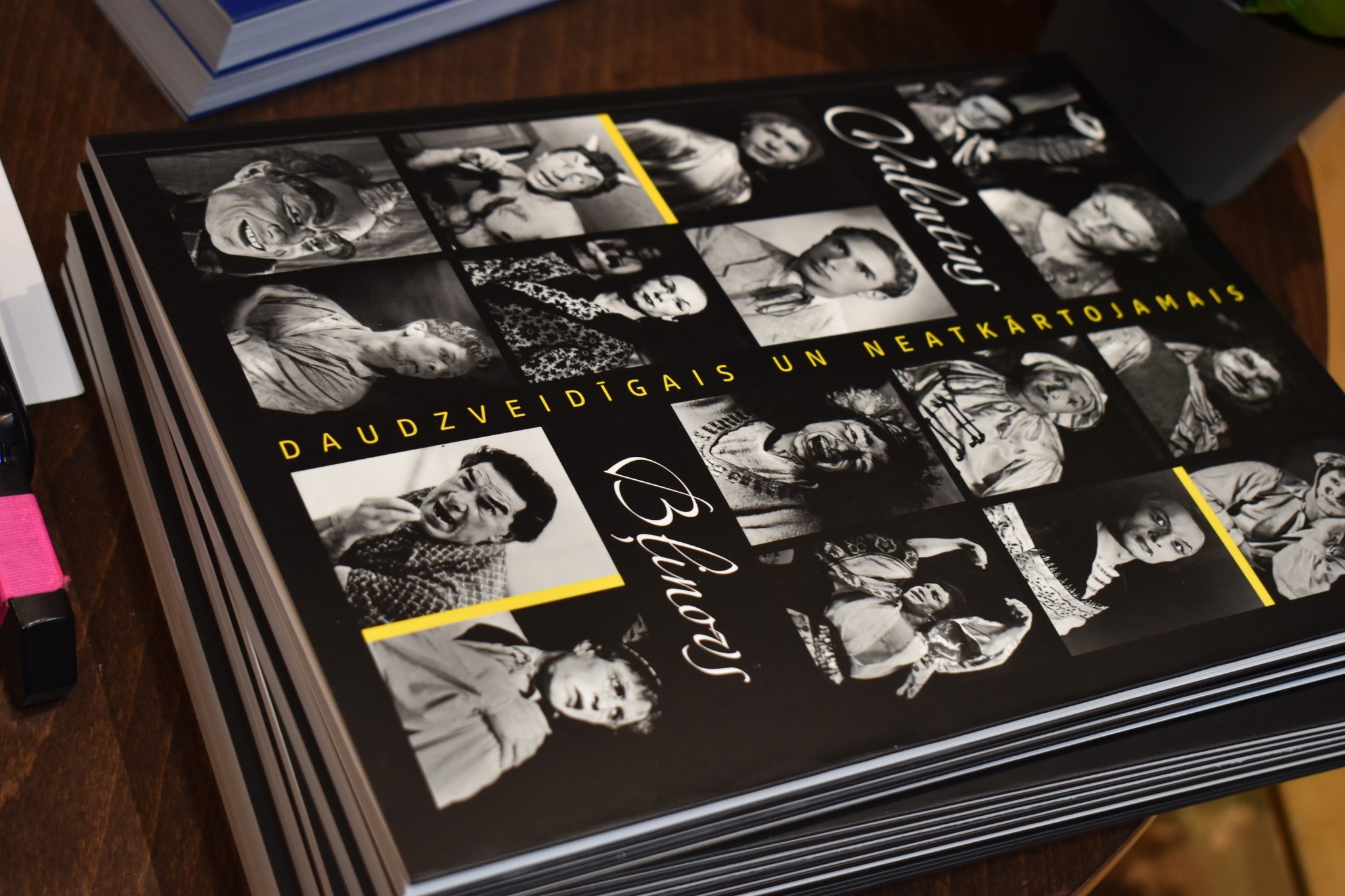
And here is the book "Valentin Blinov, multifaceted and unique" - it is about Valentin Tikhonovich Blinov (1928-2005), born near Smolensk. A characteristic ballet dancer, choreographer, ballet master, repetiteur, and ballet teacher. From 1947 to 1966, he was a soloist of the ballet troupe of the opera theater in Riga. At the same time, from 1948 to 1966, he was a teacher-repetiteur of the ballet troupe. From 1948 until his death, he taught classical and character dance at the Riga Choreographic School (RCHU, since 2020 - Riga Ballet School).
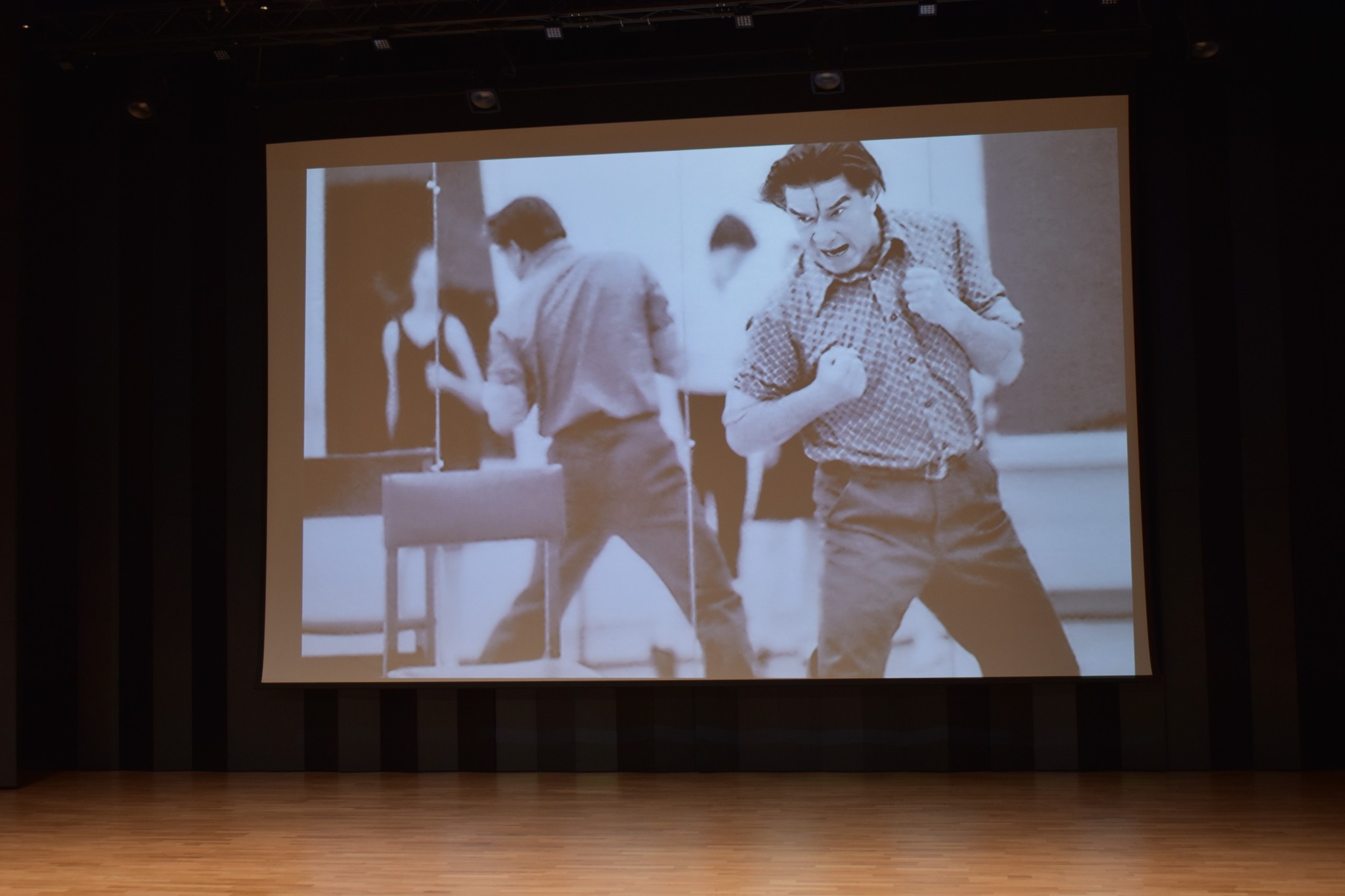
And here is where the main point begins! Not only did he have among his students those who became leading stars of our ballet, such as Uldis Jagata, Arturs Ekis, Harald Ritenberg, Gennady Gorbanov, the current artistic director of the Latvian ballet Aivars Leimanis, and others. Among Blinov's pupils were also budding ballet artists Maris Liepa (that's right!), Mikhail Baryshnikov, Alexander Godunov. And by the way, in the early sixties, Tikhon staged the number "Torero" for young students of the RCHU - the torero was Misha Baryshnikov, and the bull was Sasha Godunov. Blinov outlived his students Liepa and Godunov for a long time and is buried in Riga.
The great value of the current publications is that they are richly illustrated with photographs. As Regina Kaupuža says, these are not only official archives but also private ones that have been preserved by the older generation of ballet lovers. Although predominantly, the archives are opera-related and from the Museum of Literature and Music and the archive of film and photo documents.






Leave a comment