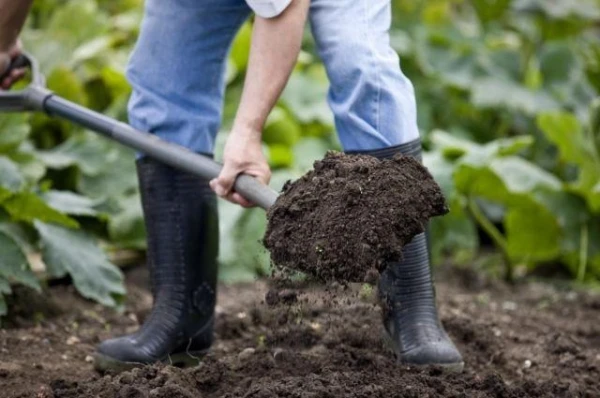
The expert shares recommendations for choosing crops to plant in mid-spring.
April is the time to prepare seeds for various vegetables, flowers, and trees. Agronomist Natalia Kryukova explains how to properly plant crops to ensure a rich and high-quality harvest.
Vegetables and Greens
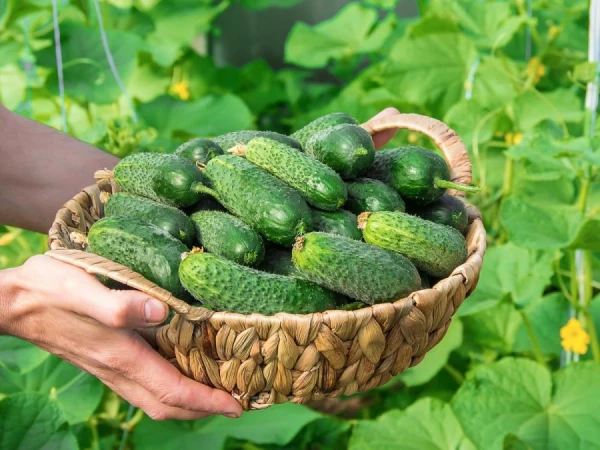
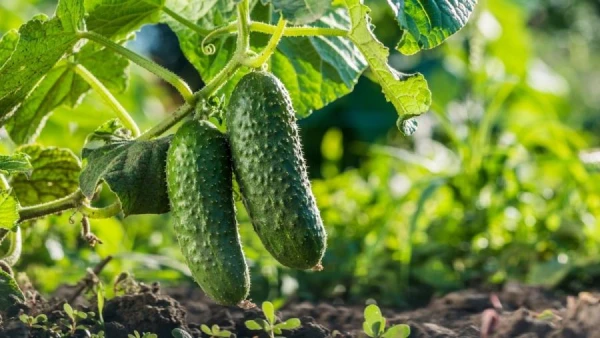
Cucumbers
Cucumbers are a fast-growing crop. To enjoy the first fruits in just 3-4 weeks, Natalia Kryukova recommends following a few simple rules:
If you want to get a harvest in the shortest time, it is best to first grow seedlings. Cucumbers prefer warmth and sunlight, so it is important to monitor the temperature, as cold can slow their growth.
This crop does not tolerate transplanting well, so choose large pots of about 1-2 liters right away.
If you want to enjoy fresh cucumbers by summer, it is best to plant the seeds directly in the open ground, but monitor the soil temperature—it should not be lower than 20°C.
Cabbage
Cabbage prefers coolness and light, so it can be planted in the open ground almost immediately, but there are some nuances. The gardener shares the following recommendations:
If you plan to use cabbage for pickling, it is best to plant the seeds in early May. If you want to eat it in the summer, it is recommended to first grow seedlings so that the first harvest appears by early July.
Cabbage grows quite quickly, in about a week. It can be transplanted into the open ground in early May when the plants reach an age of 30-35 days.
A greenhouse is great for growing cabbage. During the day, you can place the pots with plants in the sun, and in the evening, bring them indoors, as the outdoor temperature may be too low.
Basil
According to Natalia Kryukova, basil loves warmth. This crop can be planted either through seedlings or directly, with the difference being only in the planting dates and growth speed. Full basil leaves can be expected in just 30-35 days. Seeds should be sown to a depth of 1-2 cm in pre-moistened soil, with an interval of about 5 cm between seeds. Basil does not require special care; it is quite an unpretentious crop.
Flowers
Asters
Asters prefer coolness and light, so the ideal place for their seedlings is a windowsill. The pot should be at least 10 cm deep, and the soil should not contain manure, as this negatively affects the growth of asters.
The first sprouts will appear in just 4-5 days. As soon as you notice the leaves, you can start transplanting. Aster will be ready for transplanting into the open ground when it reaches a size of about 10 cm.
Petunias
Petunias are flowers that grow quite slowly, about 2-3 months, so seedlings need to be prepared in advance. The optimal time for this is late March or early April. There are several nuances in the process of preparing petunia seedlings.
Transplanting is mandatory and should be done when the petunia has 2-3 small leaves. It is also recommended to pinch the flower when it grows a bit to make it fuller and more beautiful. Remove leaves that disrupt symmetry or are too long.
Petunias need fertilization, so it is best to apply fertilizers once every 2-3 weeks, placing them at the root for better absorption of trace elements.
Petunias do not necessarily need to be planted in the open ground, as they are often left in pots. However, if you decide to transplant them into the garden, monitor the temperature—it should not be lower than 25°C.
Fruit Trees: Apples and Pears
Apples and pears are usually planted either in late autumn or early spring. To prepare the trees for planting, a series of actions must be taken to help grow a healthy and fruitful garden.
Before planting, the roots of the trees should be soaked for a day in water with added potassium salt and a growth stimulant.
The hole for planting an apple or pear tree should be prepared in advance, preferably in the autumn.
Before planting, trim the roots of the trees, removing all dead and excessively long parts so that they adapt more quickly to the new location.
After planting, mulch should be placed around the root using grass, sawdust, compost, or manure, which will help retain moisture in the soil better.
“By following these simple recommendations, you can create a beautiful and fruitful garden that will delight you and your loved ones,” concludes the expert.