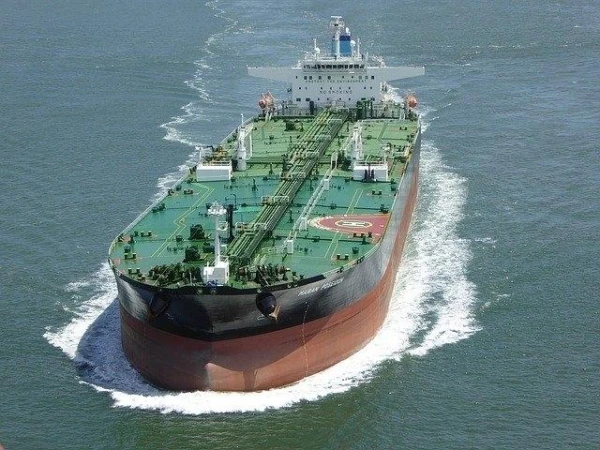
According to fuel traders, sanctioned Russian oil is currently not reaching the market and remains in tankers at sea.
The price of crude oil on the global market has fallen below $60 per barrel for the first time since the beginning of the war in Ukraine, driven by growing optimism regarding the possibility of a ceasefire between Ukraine and Russia in the near future with the assistance of the United States.
According to Indrek Sassi, head of pricing for motor fuel, expectations of a ceasefire are easing concerns about global risks, and market participants are eagerly awaiting stabilization in the oil market.
"Due to the war and the sanctions imposed at the end of October against 'Rosneft' and 'Lukoil', it is difficult for Russia to find buyers for its oil, so a significant portion of it is stored in tankers at sea. If a peace agreement is reached, sanctions will be lifted, and supply risks will decrease, it will start flowing back to the global market, and this can be taken into account when planning production volumes," Sassi explained.
Among the reasons for the current fall in oil prices is that Russia is forced to sell its oil cheaply to find buyers at all, while OPEC+ countries have repeatedly increased production volumes this year to protect their market share and replenish budgets.
Additionally, the price of crude oil is being pressured by weakened economic indicators from China. Industrial production in China grew by 4.8% in November, which did not meet expectations and was lower than the October figure. Retail sales in the country also noticeably declined in November.
Similar to crude oil prices, prices for finished products have remained at a consistently low level or have shown a slow downward trend in recent weeks.
"In December, Estonian consumers had a good opportunity to take advantage of more favorable fuel prices due to global price pressure. Given the current trends, it can be assumed that they will remain at a similar level during the upcoming holiday period," Sassi said.
In the first quarter of the new year, analysts expect the price of Brent crude oil to fall to $55 per barrel, as further increases in inventories and overproduction are anticipated. The production policy of OPEC+ and the ongoing replenishment of stocks by China will help prevent prices from falling too low.