
The European Union is preparing to sign a trade agreement with Latin American countries. Negotiations have been ongoing for 26 years. European farmers fear competition and cuts to EU agricultural subsidies.
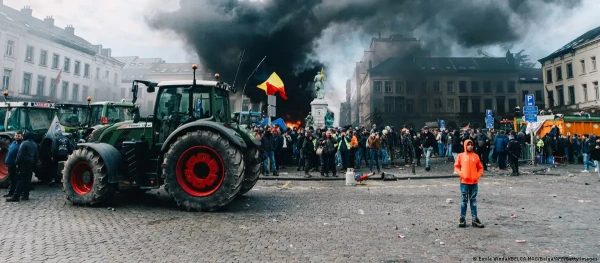
The demonstration of European farmers in Brussels against the EU agreement with the Mercosur trade bloc, which includes most Latin American countries, ended in riots and clashes with the police. This was reported on Thursday, December 18, by the dpa agency.
In the European Quarter of Brussels (the area where the buildings of the European Commission and the European Parliament are located), protesters attempted to break through barriers, lit fires and fireworks, as well as sprayed tear gas and threw potatoes at the police. According to dpa, the city's police used water cannons against the rioters.
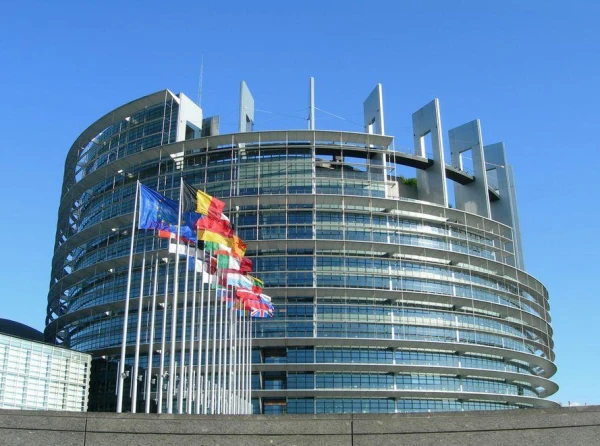
Amid the unrest, staff members of the European Parliament were relocated to other buildings for safety reasons. According to dpa, they were also advised not to approach the windows.
On Thursday, an EU summit began in Brussels, where leaders of European countries will discuss, among other things, the trade agreement between the European Union and Latin American countries. The protesting farmers in Brussels oppose the agreement because they fear competition from cheaper imported agricultural products, as well as cuts to EU subsidies.
The organizers of the protests report about 10,000 participants, while the Brussels police estimate the number of demonstrators at approximately 7,000 people. Earlier, European Commission President Ursula von der Leyen met with representatives of the protest and assured that the EU would continue to consider the interests of European farmers.
German Farmers Came to the Protests in Brussels
About 500 people came to the protests from Bavaria alone, dpa reports, citing a local farmers' association. According to Günther Felßner, vice president of the German farmers' association, "Europe needs stability - and this stability starts with agriculture." According to Felßner, subsidies for farmers from the EU are a mechanism for stabilizing food security and the unity of Europe.
The new free trade zone between the EU and Latin America would become the largest international market of its kind. It was previously planned that the EU and the Mercosur countries would sign the agreement on Saturday, December 20, in the Brazilian city of Foz do Iguaçu. However, European leaders have not yet reached a consensus on the final terms of the agreement. In particular, France, Austria, and Poland are opposed.
The European Union and the Mercosur trade bloc have been negotiating this agreement since 1999.







Leave a comment