What happens to nature when invasive predators are driven away.
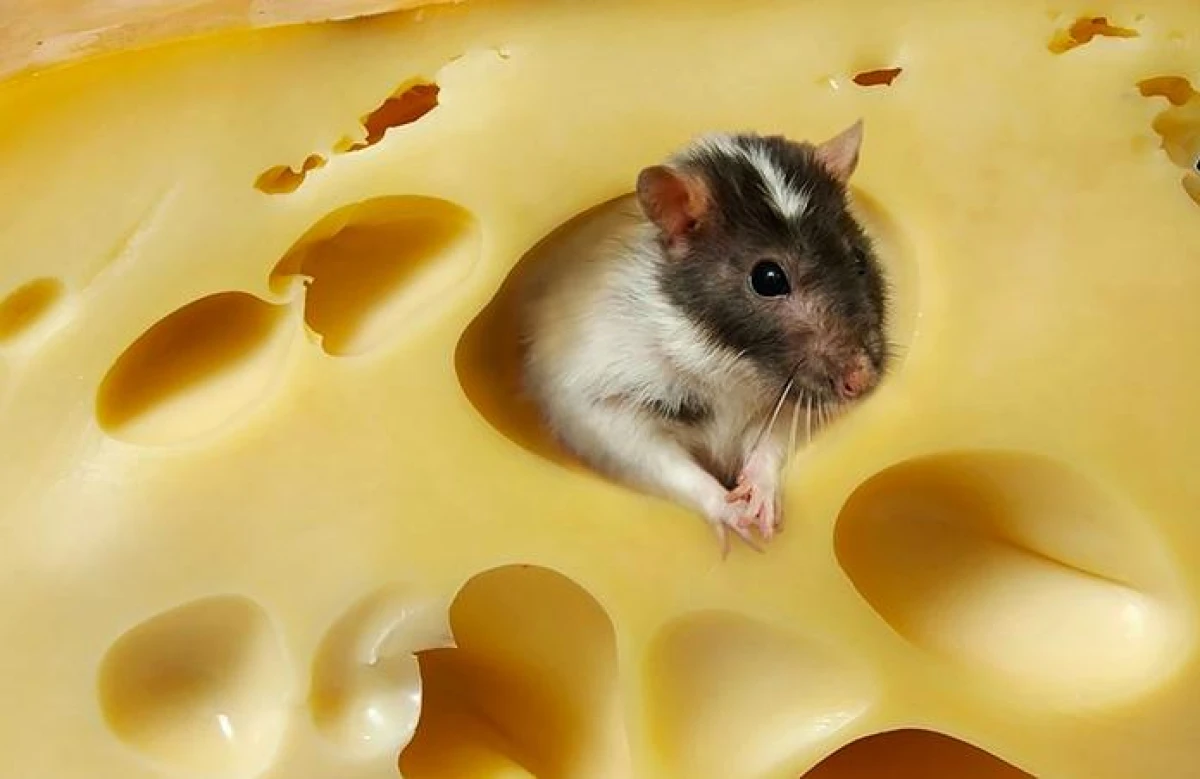
The complete disappearance of invasive rodents on Lord Howe Island in Australia has led to a dramatic resurgence of local invertebrate inhabitants.
Researchers from the University of Sydney (Australia) recorded a sharp increase in the population of insects and other small creatures. An international team of experts led by Maxim Adams studied in detail how the ecosystem changed after the last black rat and house mouse were eliminated in 2019 on the patch of land in the middle of the ocean.
The total number of invertebrates has increased several times. The big winners were larger insect species, which had previously been easy prey for toothy predators. A real demographic explosion was experienced by local bush cockroaches and common woodlice. The report was published in the scientific journal Biological Invasions. Earlier, we discussed what would happen if all insects disappeared.
Boom among insects
To understand the scale of the changes, biologists collected over 24,000 samples of various beetles, spiders, and millipedes in 20 forest zones across the island. The specialists then compared this data with archival samples that were caught in traps before the cleanup, in 2016 and 2017.
The most significant population growth was noted among larger creatures whose length exceeds 13 millimeters. This fully confirmed the experts' suspicions: rats and mice had ruthlessly exterminated the local fauna for over 100 years. Now, giant insects have filled the forests and become lunch for rare local geckos and insectivorous birds. Island monitoring confirmed that following the beetles, the population of the rare bird — the Australasian bittern — also increased. Laboratory head Professor Nathan Lo notes that the rodents managed to break and restructure all natural connections on the island, and only now is nature beginning to slowly recover.
Ecosystem recovery
However, ecologists are eager to temper expectations and warn that the recovery of wildlife is a complex and lengthy process. One should not think that the ecosystem instantly and magically returned to its primitive state. The population of some groups of bugs has noticeably increased, while other species, on the contrary, have slightly lost ground. Moreover, global climate changes, usual seasonal weather whims, and natural habitat shifts always influence the situation. Additionally, scientists have only collected samples on the ground and on the lower branches of trees, without venturing into the high canopies and deep forest water bodies.
The island may take many years or even decades to fully recover. In the near future, scientists plan to incorporate precise genetic analysis into their work. This will help to accurately determine which native species benefited from the disappearance of the rats and which invasive beetles are secretly trying to occupy the vacated niches. Researchers also want to study the quality of the island's soil in detail, as it is the invertebrates that are responsible for its fertility.