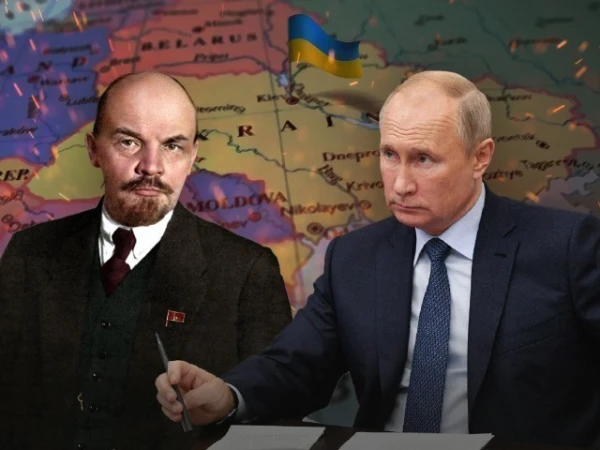
"Technological progress was an integral part of the Soviet project."
The current Russian dictator stands in stark contrast to the Soviet general secretaries who were fixated on technology.
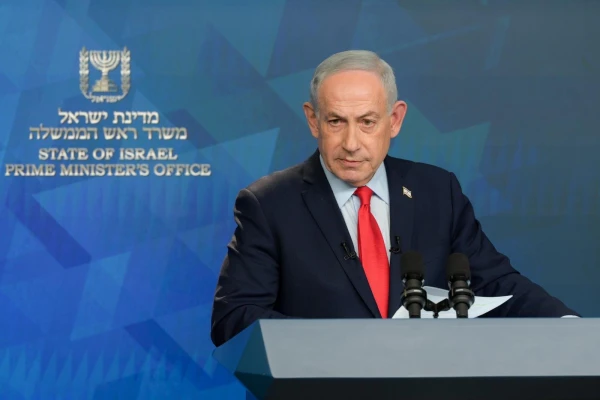
Vladimir Putin's fear of technological innovations of the 21st century condemns Russia to lag behind the world's leading states. This is noted by The Times.
The publication emphasizes that Putin is a man of "paper and pens"; he does not even own a smartphone and does not use the internet. The dictator manages his empire through a battery of landline phones with encrypted special communications. This is while in other countries, ministers coordinate state policy through commercial messaging apps on smartphones.
"Is it any wonder that Russia, led by such a technophobe, is falling behind its rivals in the race for artificial intelligence development?" the author of the publication rhetorically asks.
The Times refers to a Stanford University study in which Russia ranked 28th out of 36 evaluated countries in terms of the overall strength of their artificial intelligence industries. The United States, China, and India took the first, second, and third places, respectively. Even significantly smaller countries like Luxembourg, Belgium, and Ireland ranked higher on the list.
In its attitude towards modern technologies, Putin's regime stands in stark contrast to the policies of Soviet leaders—from Lenin with his large-scale electrification program of the 1920s to the truly remarkable successes of the post-war USSR in space exploration.
"Technological progress was an integral part of the Soviet project, a means of rapid industrialization and successful competition during the Cold War. While Soviet leaders saw the advantages of satellites or a nuclear arsenal, Putin seems to view 21st-century digital innovations as a challenge to his power and once called the internet a 'CIA project,'" writes The Times.
The publication also reminds readers of the gradual rollback of digital freedoms in Russia, including the ban and blocking of all global social networks. It seems that the Kremlin will continue to restrict Russians' access to information, which already poses an obstacle to Russia's technological development.
"The [Russian] government cultivates a culture that is actually very aggressively opposed to technological progress. Artificial intelligence technologies and high-tech in general require a large number of independent startups and a good investment climate. But in Russia, companies are afraid to invest in new technologies," said Vladislav Inozemtsev, a Russian economist and co-founder of the Center for Analysis and Strategies in Europe.
As The Times notes, in 2022 alone, approximately 100,000 IT specialists left Russia, or one in ten. Moreover, Western sanctions have significantly complicated the acquisition of components for high-tech developments.
<iframe width="560" height="315" src="https://www.youtube.com/embed/asZGoqoHy00?si=KzzLtEeIY3Y4RaaG" title="YouTube video player" frameborder="0" allow="accelerometer; autoplay; clipboard-write; encrypted-media; gyroscope; picture-in-picture; web-share" referrerpolicy="strict-origin-when-cross-origin" allowfullscreen></iframe>