
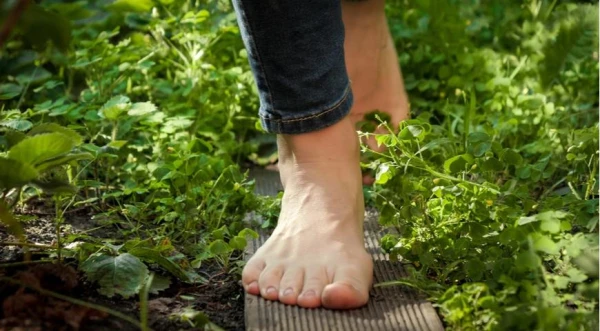
The habit of walking barefoot is often perceived as a simple way to strengthen health; however, specialists warn that the benefits of this practice are greatly exaggerated. Modern data shows that the effect depends on the conditions, and there are no universal recommendations.
Proponents of barefoot walking claim that it helps strengthen the feet, improve circulation, and even boost immunity. Indeed, contact with the surface activates nerve endings, which can enhance coordination and body awareness in space. Additionally, the work of the small muscles in the feet without the support of shoes may contribute to their strengthening.
However, there is little scientific evidence to support significant benefits. For example, one of the few studies showed a reduction in pain for people with plantar fasciitis with regular barefoot walking, but the sample size was small, and definitive conclusions cannot be drawn. Overall, experts note that the evidence base on this topic is limited.
At the same time, potential risks are quite real. Walking barefoot on hard surfaces can increase the load on the feet, joints, and spine, especially for people with flat feet or other musculoskeletal issues. Everyday risks remain — injuries, splinters, hypothermia, or infections.
Experts emphasize that there is no universal rule of "beneficial for everyone." For some people, moderate practice — for example, at home or on a soft surface — may be comfortable and even beneficial. For others, especially those with chronic foot conditions, it can exacerbate the situation.
Thus, the idea that walking barefoot is unequivocally beneficial is not scientifically supported. It is more about a neutral habit that, with the right approach, can bring moderate benefits, but under the wrong conditions — harm.
Doctors advise focusing on individual sensations and health status, as well as avoiding extremes: one should not completely abandon shoes or, conversely, keep the feet in "greenhouse" conditions constantly.














Leave a comment