
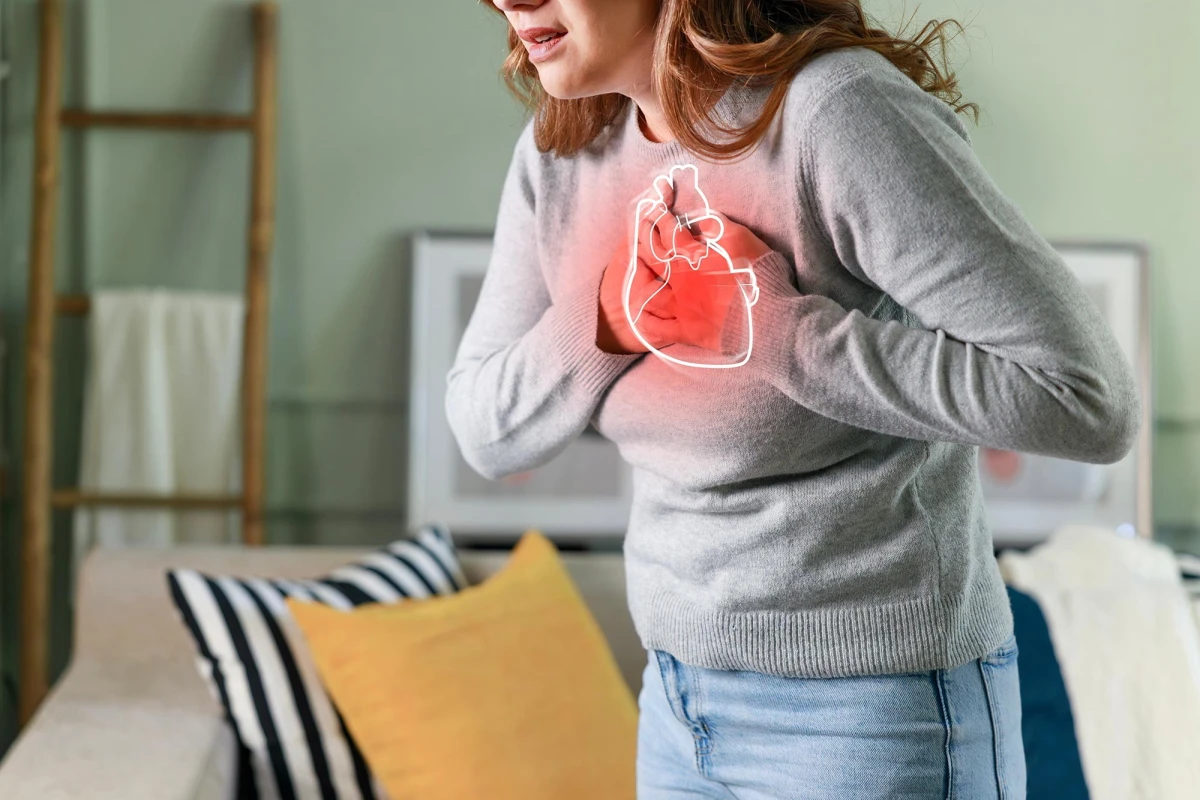
A sharp pain in the left side of the chest does not always mean a heart attack. Doctors note that similar symptoms can be caused by neuralgia, osteochondrosis, lung diseases, and even severe stress. Cardiologist Lilia Mayorova explained the signs that can help recognize dangerous heart pain and when to urgently call an ambulance.
A sharp pain in the left side of the chest often causes panic, as many immediately suspect a heart attack. However, discomfort can be associated not only with the heart but also with neuralgia, osteochondrosis, lung problems, or even severe stress. Cardiologist Lilia Mayorova explained the signs that can help distinguish dangerous heart pain from other pathologies and how to act correctly in a critical situation.
Pain in the left side of the chest is not always a symptom of heart disease. In most cases, the causes of discomfort are intercostal neuralgia, osteochondrosis of the cervical and thoracic spine, scoliosis, gastrointestinal diseases, lung disorders, neuroses, panic attacks, and even the herpes virus (shingles).
You can often distinguish heart pain from the symptoms of other pathologies even without a doctor's help:
-
If there was a sharp stabbing pain in the heart area, but the pain felt like a flash and quickly passed — this is usually a result of neuralgia, overexertion, or physical trauma. If the problem is related to the heart, the pain will be more prolonged (lasting at least several minutes) and equally intense throughout this time;
-
If, along with heart pain, there is a cough (especially with phlegm) and tenderness when inhaling — the cause of the discomfort is likely pleurisy, pneumonia, or asthma. At the same time, a true "heart" cough is usually dry, accompanied by shortness of breath, dizziness, blue lips and fingertips, tachycardia, and noticeably worsens when lying down;
-
If the discomfort in the chest decreases, passes, or changes location when you start moving actively — this is osteochondrosis, scoliosis, or neuralgia. True heart pain intensifies even with minimal physical exertion. Additionally, with spinal diseases, a person usually can pinpoint the location of the pain, whereas heart pain is felt over a larger area, sometimes spreading across the entire chest surface.
"Cardiological problems are signaled by the specific nature of the pain: it arises sharply and suddenly, but lasts a long time, can be constricting, pressing, or stabbing, often with increasing intensity and worsening with any physical exertion. Heart pain is also accompanied by an inability to take a deep breath, a feeling of suffocation, weakness, heart rhythm disturbances, and fluctuations in blood pressure," explained Lilia Mayorova.
First Aid for a Heart Attack
In cases of acute and sudden heart pain, calling an ambulance is essential. Before medical personnel arrive, provide first aid to the patient: lay them down with their head elevated, ensure they are calm, and have access to fresh air. Give them a nitroglycerin tablet under the tongue (this medication is even more effective in spray form: one or two sprays are sufficient), and if necessary, repeat the dose after 5–7 minutes. Place a cold compress on their forehead. In between doses of nitroglycerin, it is advisable to give the person 30 drops of valerian tincture.
If the pain persists for more than 15 minutes — give the person (if they are not allergic) half a tablet (250 mg) of aspirin to thin the blood and reduce the risk of blood clots in the blood vessels. The medication must be taken with water!
If the patient starts vomiting — turn them on their side to prevent choking. The main thing is not to leave a person who has had a heart attack unattended.
Experts remind us: in cases of prolonged pressing pain in the chest, shortness of breath, weakness, and respiratory distress, self-medication is not advisable, and one should not wait for symptoms to pass on their own, advises bb.lv. In such cases, it is important to seek medical help as soon as possible. Doctors emphasize that timely response and properly administered first aid can save a person's life.














Leave a comment