
Scammers are increasingly using new technologies and psychological tricks to deceive tourists around the world. Experts warn: in 2026, travelers should pay particular attention to card payments, accommodation bookings, and even "friendly" assistance on the streets of popular tourist cities.
While travel can be an exciting adventure that opens doors to new countries and cultures, it also has a downside. Ignorance of the local area or laws can make you an easy target for scammers.
The total number of scams involving tourists has reached a record level, increasing by as much as 900% over the past 18 months, reports The Daily Mail. New fraudulent schemes are becoming increasingly sophisticated — criminals are refining their methods to profit from tourists, leaving them without cash, documents, or access to funds during their travels.
The resource reported on the most common schemes that may threaten tourists in 2026.
Friendly Pickpockets
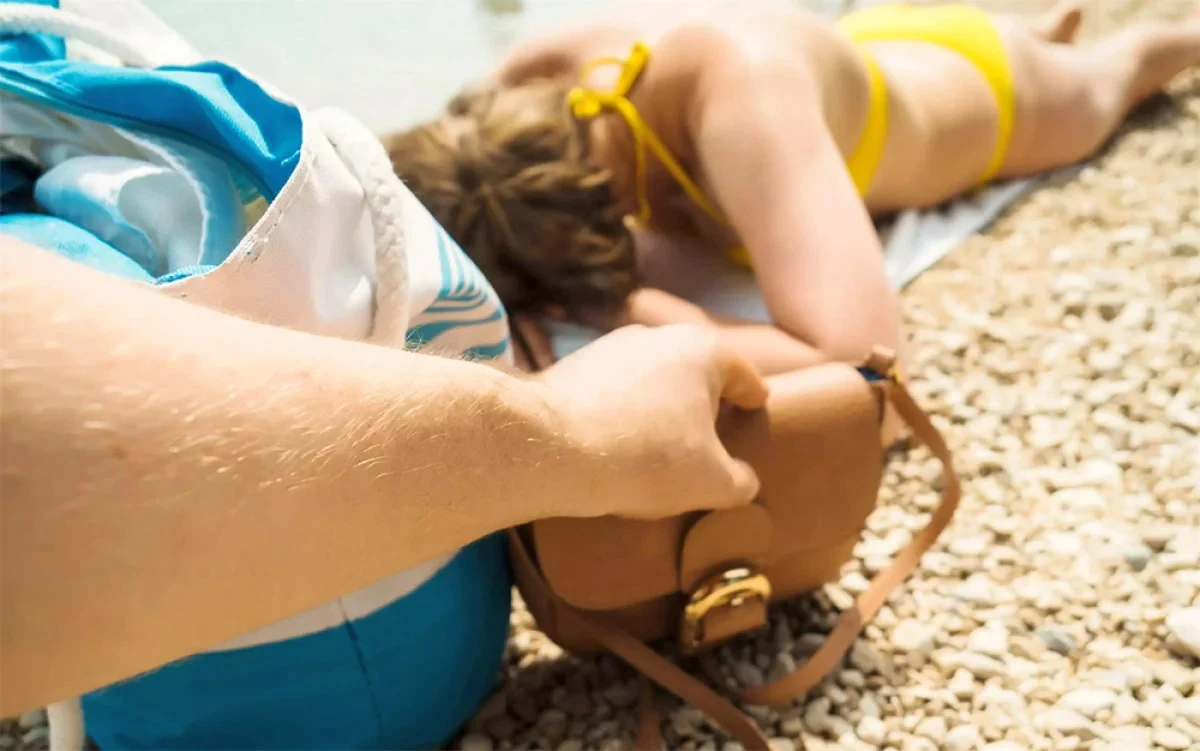
Pickpocketing remains one of the most common types of fraud while traveling worldwide. The risks are particularly high in crowded tourist hotspots such as Barcelona and Rome.
Criminals often operate in groups, using distraction techniques while their accomplice steals wallets or phones. And it’s not just about “slipping a hand into a pocket” — now, criminals use a variety of distraction tactics. You might be splashed with something, have an object thrown at you, etc.
"Instead of direct theft, criminals may pose as friendly locals, unofficial guides, or people offering help, which allows them to gain trust more quickly," adds Tom Vaughan, a travel expert at Confused.com.
Experts advise tourists to remain vigilant in crowds, to carry bags across their bodies in front, and to be suspicious of any unexpected physical contact or sudden commotion.
Inflated Order Amounts
Almost 70 percent of British travelers still use cash abroad, but card payments remain a favorite method of payment for many tourists. This allows tracking of expenses and sometimes saves money due to better exchange rates.
However, this payment method can increase the risk of fraud when customers are charged amounts significantly exceeding the stated price at the point of sale.
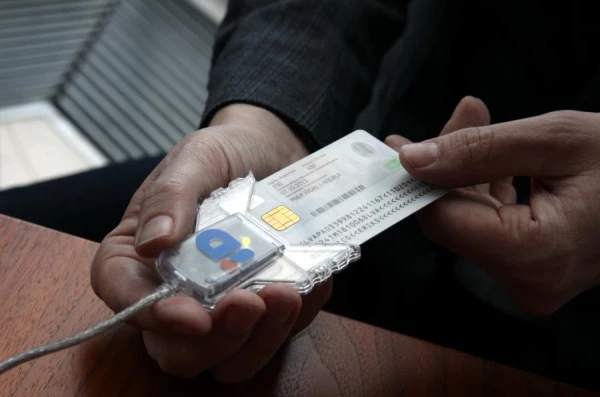
Sometimes scammers even counterfeit payment terminals to make everything look normal. Experts advise travelers to avoid using payment terminals on the street and always check the amount on the terminal screen before entering their PIN.
The “Bird Droppings” Trick
The “bird droppings” trick is a classic distraction theft that is resurfacing in cities like London. The essence of the scam is that someone throws white, green, or black paint or food at a tourist to mimic bird droppings, after which a stranger appears, supposedly wanting to help you clean the stain.
While victims are focused on quickly removing the mess, their valuables are stolen. Such incidents are reported across Europe.
Help with Photos
Near major attractions in countries like Egypt and Morocco, for example, near the pyramids in Giza or the bustling Jemaa el-Fnaa square in Marrakech, locals may offer to take photos of tourists or allow them to pose with animals.
However, what seems like a friendly gesture quickly turns into an aggressive demand for payment — or “tips” for the help.
Taxi Fraud
Various types of taxi and Uber fraud are prevalent worldwide. Drivers may refuse to turn on the meter, claiming it is broken, or choose excessively long routes to inflate the fare.
In some capitals, rideshare drivers even imitate legitimate apps, picking up passengers and charging inflated prices, while real drivers reportedly cancel rides at the last minute, forcing users to pay a penalty.
“Free” Bracelets
In cities like Paris or Rome, a scam often starts with someone offering you a “free” bracelet. Once it is tied around the tourist's wrist, you will be asked for money. Sometimes this takes an aggressive form. One tourist recounted how he was surrounded in Paris by six or seven men demanding he pay for the bracelet.
Accommodation
Advances in artificial intelligence have made fake booking sites and reviews offering attractive deals more convincing. This makes it difficult to find real accommodation.
Travelers often pay deposits for non-existent properties or arrive to find their booking is invalid. Financial losses can be significant, and the hurried search for alternative accommodation at the last minute only increases unexpected expenses.
Fake Tour Guides
At major tourist sites, especially in countries like Egypt and Jordan, individuals may pose as official tour guides. They offer tours with convincing stories and authoritative appearances but may provide false information or lead tourists to overpriced shops, then demand large fees.
Fake Tickets
Fake tickets are another ongoing problem for tourists. In countries like Italy and France, where travelers typically pay to enter attractions such as the Colosseum, Eiffel Tower, and Vatican, sellers of fake tickets are not uncommon.
Victims often discover the fraud only at the entrance when they cannot access the site. For example, in February 2026, nine people were arrested in Paris in connection with a fake ticket scheme at the Louvre. Over more than 10 years, scammers have defrauded tourists of millions of dollars.
Currency Switching
Currency switching fraud usually occurs during cash transactions. A scammer discreetly switches banknotes or claims that the tourist gave the wrong amount.
This tactic is common in markets or taxis, especially when it comes to unfamiliar currencies.
"Confusion over exchange rates and foreign cash allows scammers to easily manipulate the situation, leaving tourists without money, without them realizing it immediately," the publication writes.
Experts advise tourists to remain vigilant even while on vacation: check accommodations only through reliable services, closely monitor payments, avoid suspicious help from strangers, and keep documents and phones in sight, advises bb.lv. Specialists note that modern fraudulent schemes are becoming increasingly convincing, and the main defense remains vigilance and caution.









Leave a comment