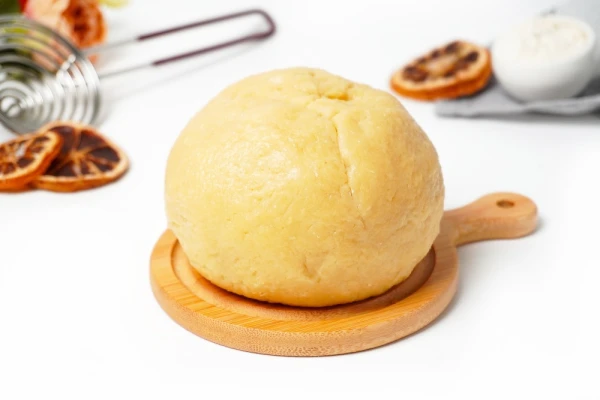
Shortcrust pastry is valued for its tender, crumbly texture, which is perfect for cookies, tarts, and pies. But sometimes the base turns out either too dense and tough or excessively sticky and shapeless. Let's analyze which mistakes most often hinder achieving excellent results — and what to do to fix the situation.
The Basic Balance of Ingredients
The key to perfect shortcrust pastry is precise adherence to proportions. The classic recipe is based on a rule of approximately 3:2:1 — flour : butter : sugar. For example, if you take 300 g of flour, add about 200 g of cold butter and 100 g of sugar. Adding too much flour makes the dough dry and heavy, while excess sugar or fat leads to spreading during baking.
Tip: always weigh the ingredients instead of relying on estimates.
Avoid Overmixing
Professional bakers warn: prolonged mixing is a common reason why shortcrust pastry becomes rubbery. Flour contains proteins that form gluten when they come into contact with moisture — a kind of "network" that makes the dough elastic. The longer you mix, the stronger this network develops — and the less crumbly the base will be.
Tip: mix the ingredients only until they start to come together into a ball, and then stop.
Cold Ingredients Are Key to Success
Temperature control is very important: the butter should be cold, and the water should be ice-cold. If the butter is too soft, the fat quickly absorbs into the flour, promoting gluten development and making the base dense. Warm hands when working with the dough can also heat the ingredients — so work quickly or use knives and spatulas, not just your hands.
Tip: do not substitute butter with margarine — it worsens the texture and flavor.
Be Careful with Liquids
Remember: shortcrust pastry likes minimal moisture. Even a slight excess of water, milk, or egg can make the mixture too wet and sticky. If the recipe includes eggs, a common recommendation is to use only the yolks; they help achieve a more tender texture without excess moisture.
Tip: add liquid by the teaspoon and stop as soon as the dough starts to come together.
Choosing Flour
The type of flour used also matters. High-protein bread flour develops strong gluten, making shortcrust pastry tough. It is better to choose all-purpose wheat flour or low-protein flour — it gives a softer, crumbly base.
Tip: if your flour is too "heavy," try mixing it with a small amount of cake flour or adding a teaspoon of cornstarch per 250 g of flour — this reduces gluten activity.
Chilling Before Rolling
It is very important to let the dough "rest" after mixing. If you roll it out immediately, the warm butter and elastic gluten will make the dough difficult to work with: it will tear, stick to the rolling pin, and not hold its shape. After chilling, the fat will harden, and the gluten will relax — making the dough more pliable.
Tip: wrap the ball of dough in plastic wrap and refrigerate for 30–60 minutes before rolling out.
Additional Nuances
Here are a few more small but significant details:
-
Sugar: adds sweetness but also affects structure — fine sugar or powdered sugar helps create a more delicate texture.
-
Salt: is needed even in sweet dough — it enhances flavor and makes the baked goods richer.
-
Eggs: the protein can strengthen the dough network, so often only yolks are added for a more fragile base.
By following these recommendations, your shortcrust pastry products will be crispy at the edges, fragrant, and evenly baked.