
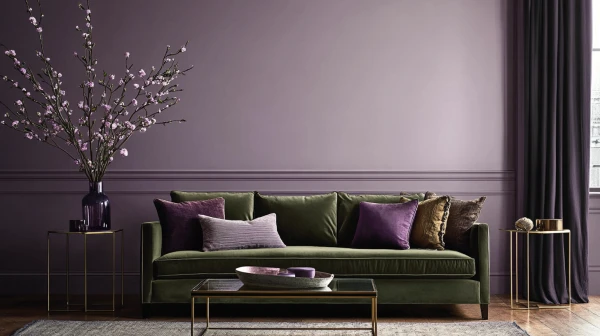
When the temperature drops outside, the interior becomes not just a living space, but a true refuge. Textile design during this period plays a dual role: it creates a visual sense of warmth and genuinely retains it.
Interestingly, the perception of comfort in cold weather has deep psychological roots. Research shows that properly selected textiles can increase the subjective feeling of warmth by 2–3 degrees even without changing the actual temperature in the room. Architect Marina Pavlova shared with us how to choose textiles for the home this winter.
"In the premium segment, there is a noticeable trend towards creating layered textile compositions, where each element carries both functional and aesthetic loads. It is no longer just a seasonal replacement of light fabrics with heavy ones — it is a thoughtful system designed to create a specific emotional state," our expert explains.
Curtains
Curtains in winter become a full-fledged thermal insulation barrier. Modern solutions involve layering: heavy drapes made of dense fabrics combined with thin filtering layers. Models with thermal insulation lining are particularly effective — they can reduce heat loss through windows by up to 25%.
"The color palette of winter curtains shows a departure from traditional dark shades in favor of complex natural tones: deep emerald, muted sapphire, terracotta. These colors create a sense of warmth without weighing down the space. Interestingly, even in minimalist interiors, there is a trend towards thicker, textured curtains in cold weather — this is a kind of compromise between aesthetics and functionality," Marina notes.
One of the current techniques is the use of contrasting tiebacks or trims that resonate with other textile elements in the interior. This approach creates a sense of thoughtfulness and completeness in the composition.
Sofa Cushions and Throws
This is the most mobile element of winter textiles, allowing for quick transformation of the space. This season sees a return to natural materials: wool, cashmere, alpaca. Notably, even in interiors with a modern aesthetic, elements with ethnic motifs are appearing — they add authenticity and warmth.
"The optimal number of decorative cushions for the winter season is between three and seven on a standard three-seater sofa. It is important to have a variety of sizes and textures: combining large basic cushions with smaller accent ones creates the necessary depth and volume. An interesting technique is to use cushions with different filler densities, which makes the composition more dynamic and comfortable," the architect emphasizes.
Sleeping Area
In the bedroom, winter textiles manifest themselves most fully. The modern approach involves creating a layered composition: basic sheets made of cotton or linen, an intermediate layer of flannel or jersey, and a top cover made of denser materials. An additional decorative throw at the foot of the bed is not just an aesthetic tribute, but also a functional element for additional insulation.
Rugs: An Indispensable Element of Winter Comfort
Floor textiles in the cold season take on special significance. The trend of using several rugs of different sizes and textures in one room allows for the creation of a visually warm space even with a restrained color palette. Models with high pile or layered structure are particularly relevant — they not only physically warm but also add acoustic comfort to the room by dampening sounds.
"In modern interiors, there is a noticeable interest in rugs with abstract geometric patterns in muted color schemes — they are versatile enough to blend with various stylistic solutions while adding the necessary complexity and depth in winter," the architect notes.
-
Layering of textiles is a key principle of winter decor, working for both physical and psychological comfort.
-
The color palette of winter textiles shifts from traditionally dark tones to complex natural shades that create a sense of warmth without visually weighing down the space.
-
Contrasting textures in textile design (smooth and fluffy, matte and shiny) enhance the tactile perception of the interior, which is especially important in cold weather.
-
Strategic placement of textile elements around key activity zones (windows, seating areas, sleeping zones) creates an effective system for retaining heat and comfort.












Leave a comment