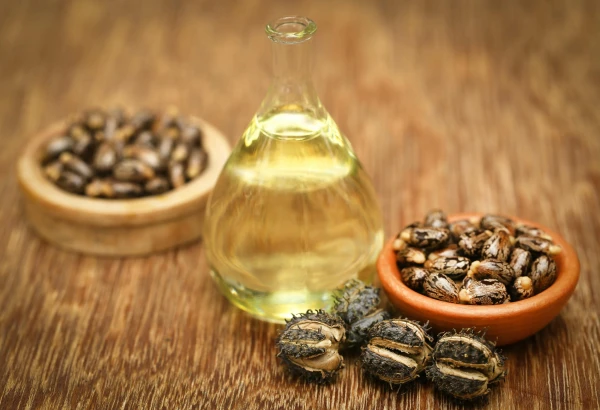
Castor oil has been in medicine cabinets and cosmetics since ancient Egypt, but it is now hugely popular on social media. TikTok and Instagram are full of people claiming it can clear skin, boost hair growth, alleviate bloating, or even detoxify the body if poured into the belly button. But is there real scientific evidence behind these viral trends? Experts say it’s wise to check the evidence before applying anything new to your skin or adding it to your regimen.
Here’s what dermatologists, hair restoration specialists, and pharmaceutical researchers say about what castor oil can really do and what it cannot.
What is Castor Oil?
Castor oil is a vegetable oil derived from the seeds of the Ricinus communis plant. For thousands of years, it has been used for cosmetic purposes and as a powerful laxative, and it is approved by the U.S. Food and Drug Administration (FDA) for this purpose. It is very thick, nearly odorless, and rich in a fatty acid called ricinoleic acid.
Castor Oil in the Belly Button
One popular method of application is "belly button pulling" — a traditional Ayurvedic practice where people apply castor oil to their belly buttons. TikTok posts claim that it detoxifies the body, improves digestion, alleviates cramps, helps with sleep, and even eases menstrual pain.
However, experts say this practice lacks serious scientific backing. "There is no scientific evidence supporting the idea that applying castor oil to the belly button has a systemic positive effect on skin health," said certified dermatologist Tia Paul, M.D.
"Such trendy applications as putting castor oil in the belly button or applying castor oil compresses to the skin are based on anecdotal claims and lack serious scientific justification," added John-Paul Anderson, Ph.D., pharmacologist.
While applying a small amount of castor oil to healthy skin is generally not risky, doctors warn that it is unlikely to yield the impressive results seen online.
Castor Oil for Hair and Skin
Castor oil is used in skincare as a moisturizer, an acne treatment, or a remedy for dry skin. It is also often added to hair masks, claiming to promote hair growth, add shine, and prevent breakage. Some claim that applying oil to eyebrows and eyelashes makes them thicker and speeds up their growth.
Here’s the benefit: castor oil does contain ricinoleic acid, which helps retain moisture and may have mild anti-inflammatory properties. This makes it a soothing agent for dry, rough skin. However, there are no large-scale clinical studies proving that it improves conditions in chronic skin diseases or provides long-term effects.
At the same time, it can clog pores, especially on oily or acne-prone skin. But if you have dry skin, certified dermatologist Janet Wafaie, M.D., FAAD, believes it’s worth a try. "Castor oil is great for dry skin and cuticles due to its ability to retain moisture and act as a protective barrier." Just use a small amount and avoid getting it on your face, as its thickness can lead to clogged pores.
Castor Oil for Hair Growth and Scalp Use
Want longer, thicker hair? Experts advise tempering your expectations. "There is no reliable clinical data supporting that castor oil actually promotes hair growth, as claimed by users online," said hair restoration specialist Ross Kopelman, M.D. "That doesn’t mean it’s useless, but it’s definitely not a miracle cure."
While castor oil can condition dry hair and retain moisture, it does not prevent or reverse hair thinning. Castor oil is more of a moisture-retaining agent than a magic solution for growth.
But be cautious with using castor oil on the scalp. Castor oil is very thick and occlusive, meaning it can trap bacteria or clog hair follicles if used too often or left on the skin too long. Some patients have developed folliculitis (inflamed, pimple-like bumps on the scalp) due to overuse.
It’s best to apply a small amount, check the scalp’s reaction, and wash it out thoroughly.
Castor Oil Compresses and Pain Relief Claims
Another popular trend is castor oil compresses: a cloth soaked in oil is placed on the skin to relieve cramps, joint pain, or inflammation. Health blogs and influencer videos often tout anti-inflammatory and antimicrobial properties, but there is no compelling evidence for this.
Experts say this is due to a lack of scientific data supporting these claims. "Most evidence of the anti-inflammatory properties of castor oil comes from small animal studies or laboratory conditions, as well as anecdotal reports, so these claims lack definitive confirmation in humans," Anderson said.
He added that while castor oil does have some mild antimicrobial properties, it should not replace medical treatment.
Castor Oil for Constipation
Of all the properties of castor oil, its laxative effect is the most supported by research. It is approved by the U.S. Food and Drug Administration (FDA) as a stimulant laxative for occasional constipation. "The main active ingredient in castor oil, ricinoleic acid, is broken down in the intestines and activates prostaglandin receptors, causing the intestinal muscles to contract and push out stool," Anderson explained.
It works well, but experts warn that it should be used only for short-term relief under medical supervision, as it can cause cramping, diarrhea, and dehydration. Pregnant women should avoid it altogether, as it may trigger uterine contractions.
Should You Use Castor Oil?
Castor oil has several proven properties, such as helping with constipation and moisturizing dry skin. However, many of these bold claims online lack serious scientific backing.
All experts agree: before using castor oil for the body or as part of wellness routines, consult with a doctor. Your healthcare provider can help determine if castor oil is right for you and recommend safer or more effective alternatives.