
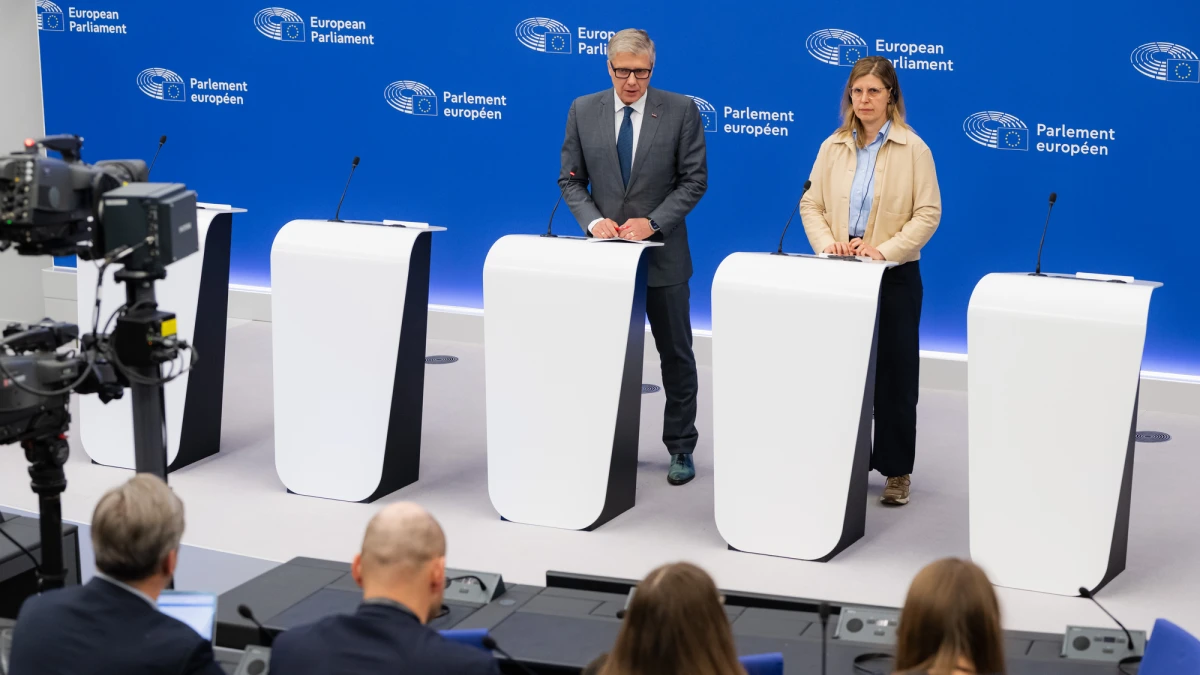
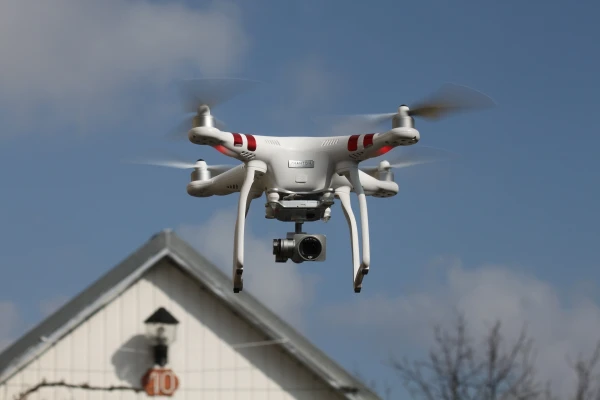
On the night of May 7, residents of Latgale received emergency alerts on their mobile phones — drones had flown into Latgale again. The same alerts were received by several mayors from Latgale in their hotel rooms in Brussels. They came to the EU capital to meet with Members of the European Parliament responsible for the budget. The participants from Latvia arrived for the budget negotiations after a restless and sleepless night.
Meeting After a Sleepless Night
The delegation from the Latgale planning region arrived at the European Parliament to once again explain to the deputies why Latgale needs additional support from the EU budget.
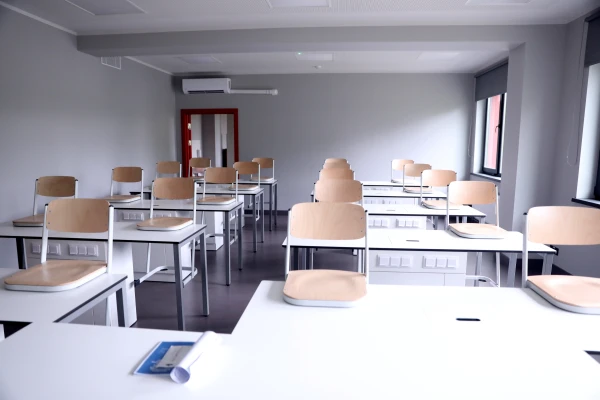
This time, the presentation began unconventionally — by showing what an emergency alert looks like on a mobile phone, and at the same time mentioned that schools were closed that morning in three regions — Balvi, Ludza, and Rezekne. This detail — the closed schools — struck the Members of the European Parliament the most. Drones are regularly discussed in Latvia, but the fact that in one of the EU member states schools simply do not open in the morning for safety reasons was something many in Brussels heard for the first time.
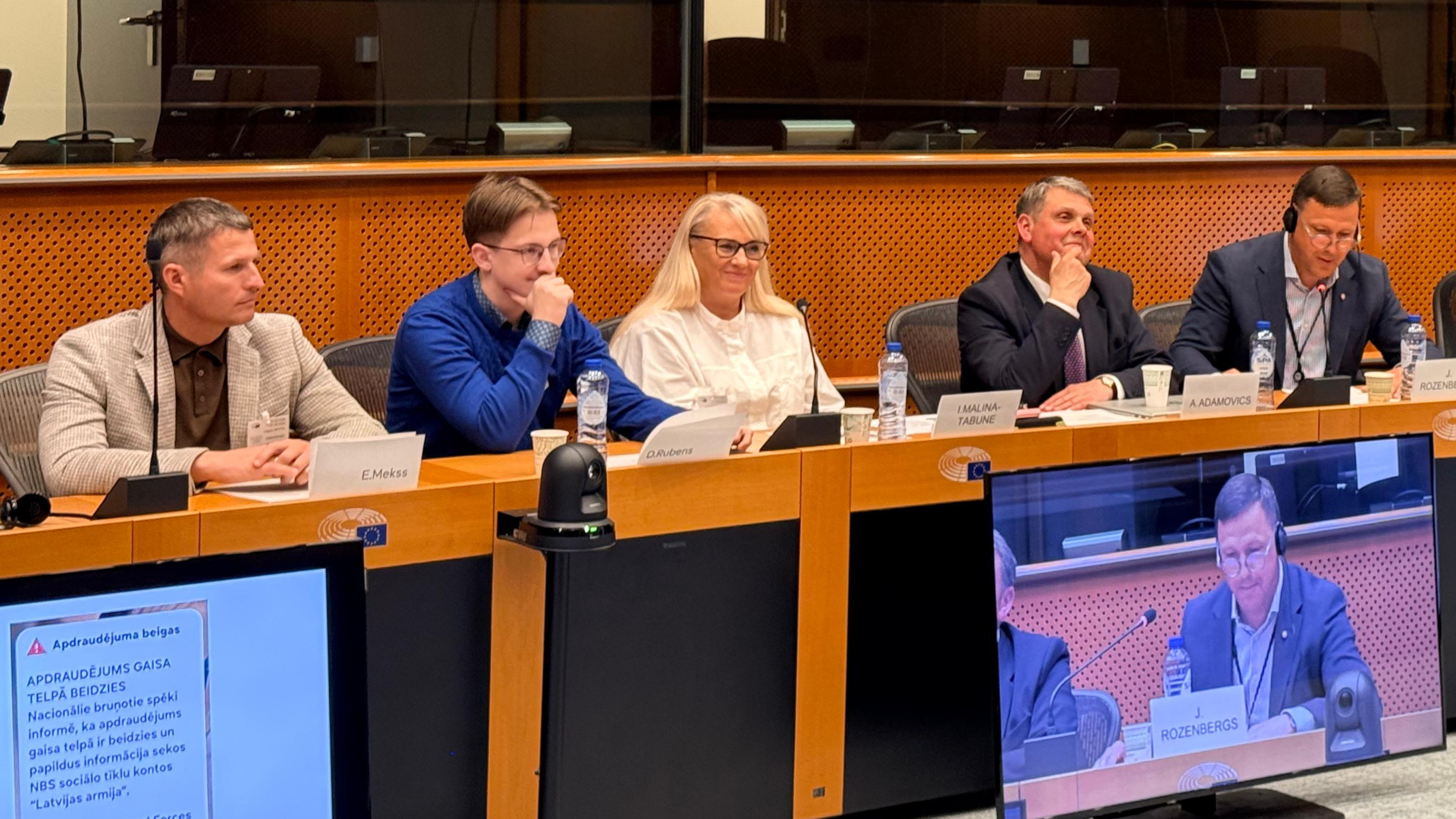
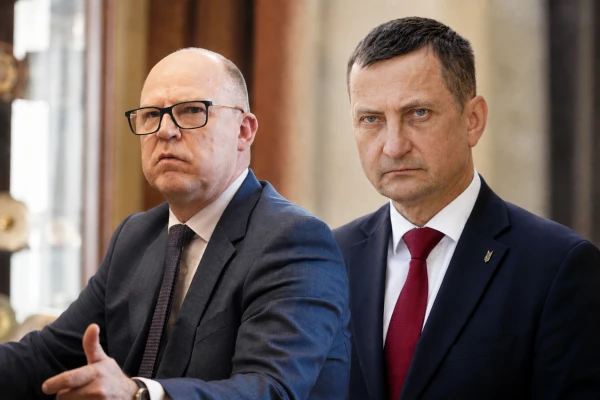
Sitting at the table were representatives from Ludza, Balvi, and Rezekne, including the mayor of Ludza, Edgars Mekshs, and the former head of the Balvi region, Sergey Maksimov.
“Investors are afraid to invest in a region where three times a week people receive emergency alerts about potential combat drones with explosives,” Maksimov said. “Europe must understand: strengthening the eastern border is not just about tanks and air defense. It is also about the economy, jobs, and technology.”
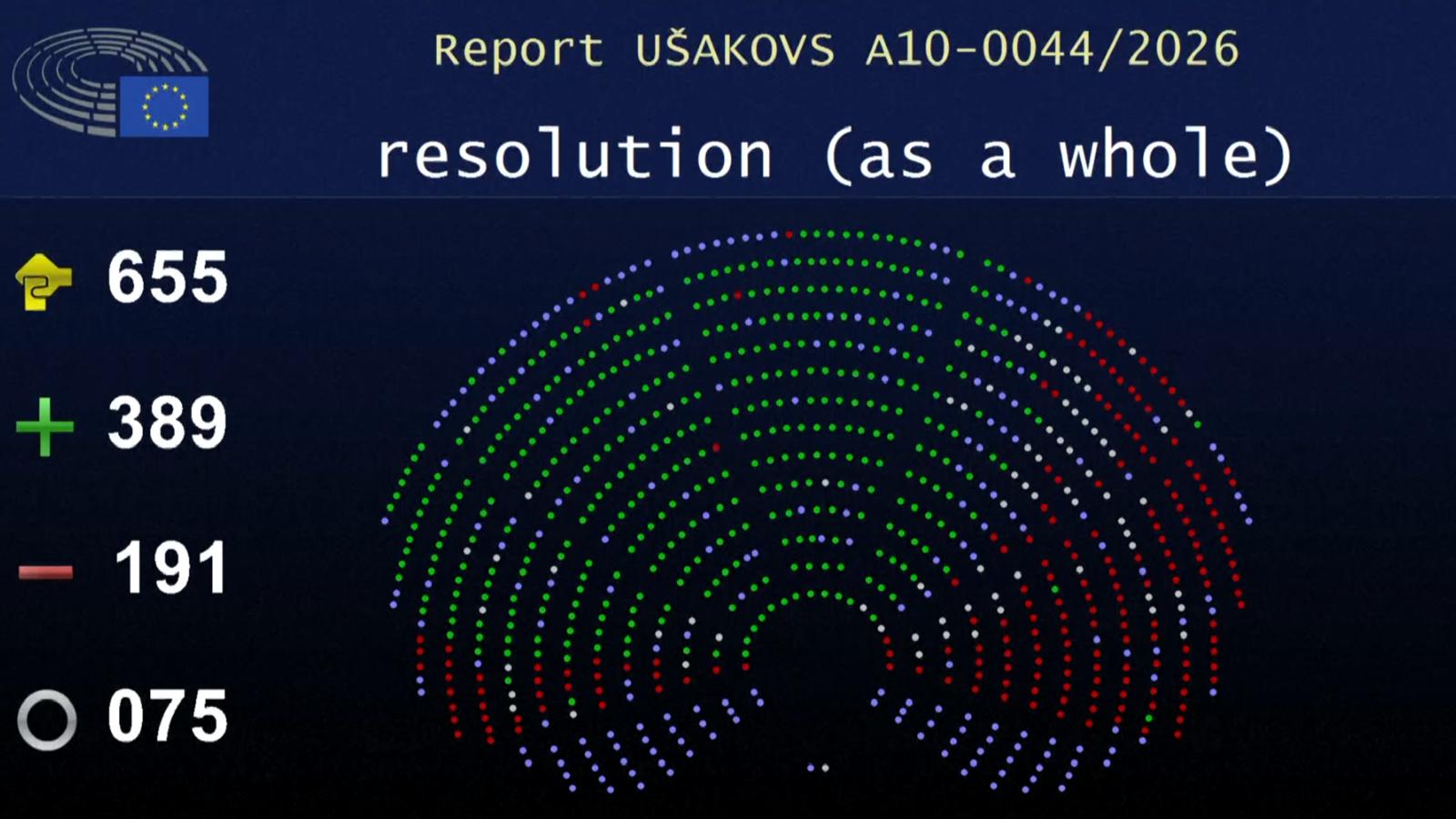
Final voting results. 389 “for.” All four pro-European factions — the People's Party, Social Democrats, Liberals, and Greens — voted for the budget priorities.
“A separate risk concerns agriculture: combat drones programmed with artificial intelligence target specific objects, and oil storage tanks externally resemble grain storage tanks. The Latgale farmer faces two crises at once — a climate crisis and a security crisis,” Maksimov explained.
A Deputy from Portugal Wants to Visit Latgale
In the European Parliament, the Latgale representatives were listened to by Social Democrat deputies responsible for the European budget in their faction. The main figure was Portuguese Carla Tavares. Once, she herself led a municipality for many years — she was the mayor of Amadora, a city near Lisbon. Now, in the EP, she is responsible for the new multiannual budget of the European Union. And it is precisely what will be included in the multiannual budget that will determine the support for the eastern border of Europe and, accordingly, for Latgale.
After the presentation, Tavares openly told the Latgale representatives that she was struck by how vast the Latgale forests are and by the landscapes in the photographs. The former mayor added that she now wants to visit Latgale herself.
The event was organized by Latvian deputy Nils Ushakov, who is currently responsible for the EU budget for 2027, along with colleagues from Poland and Lithuania.
Practical Conversation
Considering that most of those sitting at the table were either current or former heads of municipalities, the conversation quickly turned to professional rather than political matters.
Aldis Adamovich, the head of the Preili region, emphasized that, on one hand, municipalities in Latgale need greater support for entrepreneurship, healthcare, and infrastructure. But at the same time, it is unreasonable to expect municipalities in Eastern Latvia to have the same co-financing as in other regions. Because if the part that Latgale residents have to pay themselves in EU projects is not reduced, they will not be able to fully benefit from greater support if it becomes available.
Ivetta Malina-Tabune, the head of the Latgale planning region administration, emphasized that there is a particular need for new cross-border cooperation programs with Finland, Estonia, Lithuania, and Poland. This is necessary to compensate for the fact that there are no longer programs with Russia and Belarus.
The border area is not only about Latgale. The eastern part of Vidzeme also borders Russia and faces the same problems. “Greater support is needed for both the municipalities in Latgale and the Aluksne region,” Adamovich explained.
“The issues of border regions in Europe are being heard. The most important next step is to ensure that this understanding turns into concrete solutions and funding,” summarized Ludza mayor Edgars Mekshs, who spent the night before the meeting without sleep, answering calls from Latvia.
The Border Area is Now a Budget Priority
A week before the meeting with the mayors, the European Parliament adopted the principles of the EU budget for 2027 with 389 votes in favor. All pro-European factions voted for them. The main rapporteur is Nils Ushakov. This is the first time a representative from the Baltic region has been responsible for the EU budget.
And for the first time, three priorities that directly affect Latgale and Vidzeme have been included in the EU budget.
The first priority is the need to create special support for border municipalities. At the plenary session in Strasbourg, Ushakov articulated this position as follows: “First of all — our border municipalities along the eastern border in the Baltic states, in Poland, in Finland, and beyond. Solidarity must be territorial, not rhetorical.”
The second priority is the need for fair treatment of farmers in the countries on the eastern border. Because our farmers still receive support that is 20% less than in Western Europe. “Farmers in countries bordering Ukraine, Russia, and Belarus face disproportionate pressure. Fair distribution of direct payments under the Common Agricultural Policy is not a request for privilege. It is a demand for justice,” Ushakov said at the plenary session.
The third priority is the need to finance the strengthening of the eastern border from the general EU budget. Latvia's border with Russia or Belarus is the external border of the European Union. The fight against the same drones should be funded from the general EU budget, not just from the pockets of Latvian taxpayers.
“In the priorities, adequate financial support is required for member states with external EU borders, including funds for strengthening critical infrastructure and supporting necessary border protection measures where justified. Security without the ability of regions to survive is fragile. The ability of regions to survive without budget support is an empty promise,” Ushakov emphasized at the plenary session.
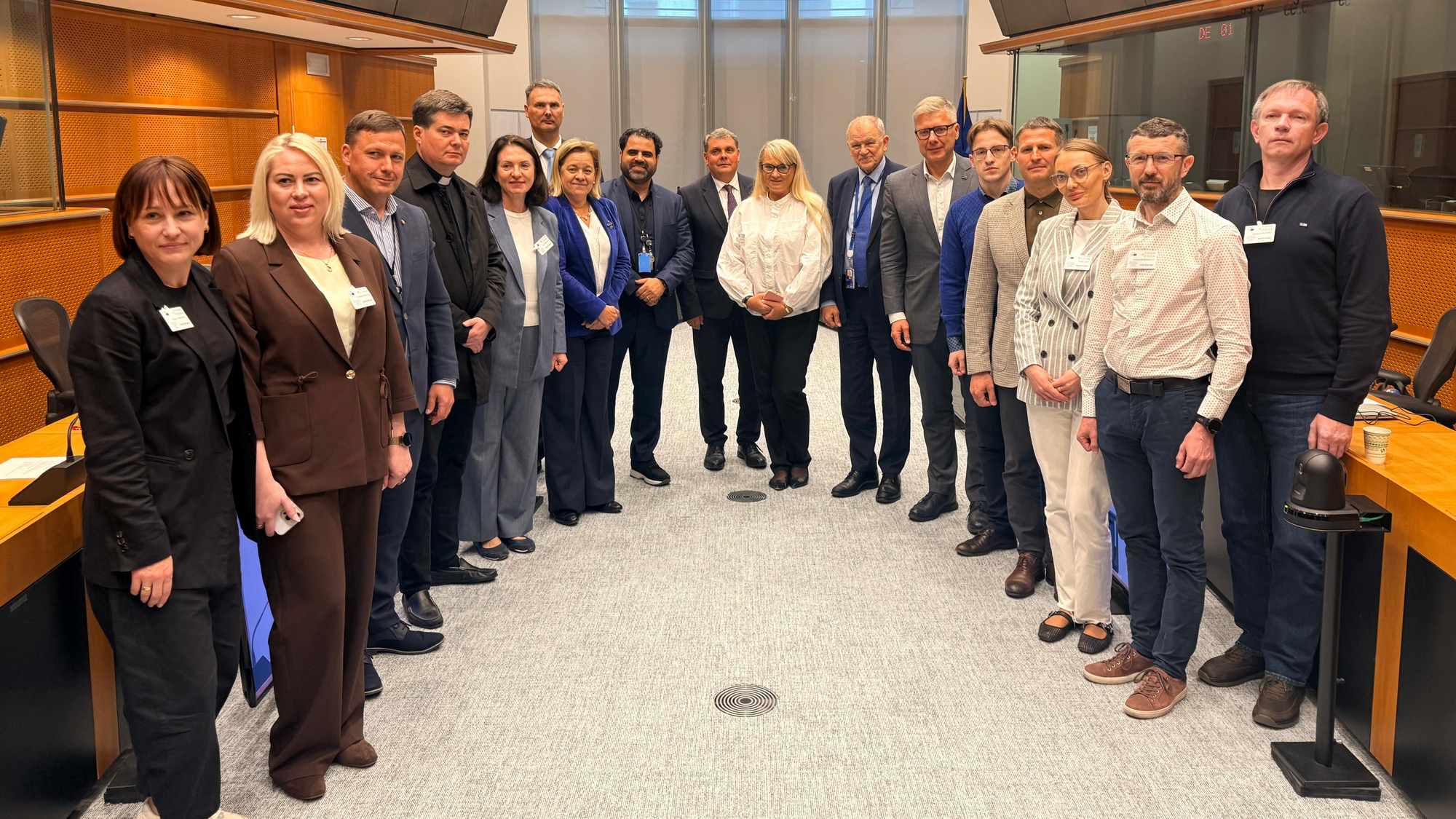
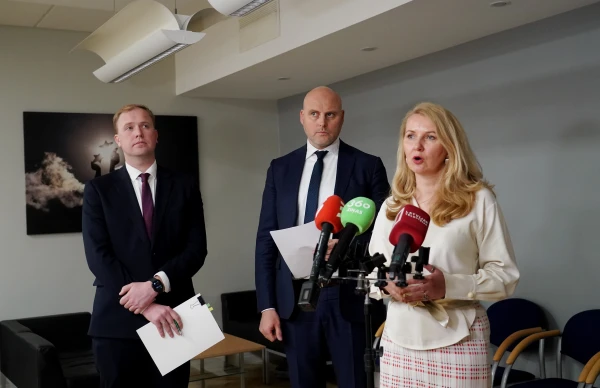
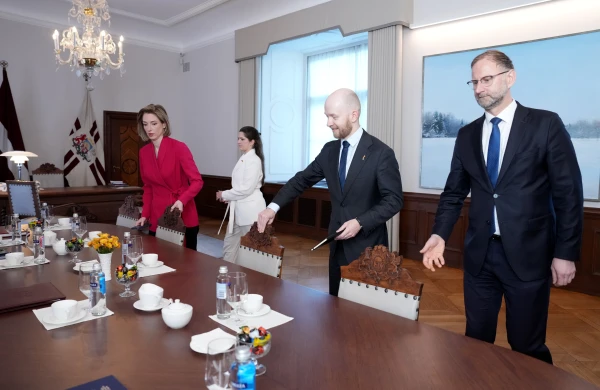
A delegation from Latvia with Members of the European Parliament from the Socialist and Democrat faction responsible for the EU budget.
“Security threats are no longer theoretical. They are real,” Ushakov emphasized at a press conference in Strasbourg immediately after the budget vote. “My mandate from Latvia directly obliges me to represent my region and my voters. But at the same time, the stability and development of the entire European Union directly depend on the stability of the eastern border. And this is not just about security and borders. It is about the people who work and live there. And I know very well what real life looks like in one of those border regions — in Latgale.”
Ushakov also spoke about drones at the press conference immediately after the budget vote: “Business in the border area is closing. Unemployment is rising. Military drones regularly fall on our heads.” Journalists may have perceived this as an exaggeration at the time. But the following week, two drones fell again in Latgale, both on an oil storage facility in Rezekne.
There is Not Much Money
During the crisis caused by the COVID pandemic, the EU took out large loans to support the economy. Now these loans need to be repaid. In 2027, interest payments on these loans will sharply increase — to about 10 billion euros. And another crisis is already on the horizon.
Therefore, another point has been included in the list of budget principles — assessing the feasibility of European budget expenditures.
Senegal and Common Sense
In Europe, there are many examples where unnecessary expenses could be eliminated. Ushakov cites a specific project currently being reported in the European press as an illustration. The European Union plans to spend 320 million euros on developing public transport in Senegal — financed by the European Investment Bank, the European Commission, and French and German development agencies. The tender, apparently, will go to a Chinese state company. European companies are losing out.
“We need to learn from China. How they operate. Earning on European money in Africa,” Ushakov notes with a certain bitterness.
320 million euros is comparable to the annual support for border regions in some Eastern European countries. It turns out that Europe finds money for transport development in Senegal while struggling to find money for border regions within the EU itself.
Nokia as a Lesson
“Overall, the main problem in Europe is not even a lack of money, but the loss of its own production,” Ushakov says. “Spending 320 million euros on developing Chinese production in Africa is somewhat beyond common sense.”
Once — about twenty years ago — one of the best phones in the world was the Finnish Nokia. Today, it is practically impossible to find a person in Europe who uses a smartphone made in Europe. Everyone has smartphones — Korean, Chinese, or American, but produced in Asia. Computers too. Household appliances — mostly as well. And not only.
Latvia experienced the closure of its own production in the 90s. RAF, VEF, sugar factories. A long list. Back then, it was said: the market will sort everything out itself, and we will live like in Switzerland. It didn’t quite work out.
Now we see the same thing happening in Western Europe. In Germany, automotive production is closing. Corporations are laying off thousands of workers in the steel industry. Residents of Latvia could tell Western Europeans what such a situation leads to — what happens to salaries, pensions, benefits, and the entire social system when a country no longer has its own production.
“Europe needs not only a revision of budget expenditures. But in general, common sense needs to be returned to Europe. And it should start with the revival of production,” Nils Ushakov believes.

Prepared with the support of the Progressive Alliance of Socialists and Democrats in the European Parliament.
About MEP Nils Ushakov and direct contact with him: www.socialistsanddemocrats.eu/meps/usakovs-nils


Leave a comment