
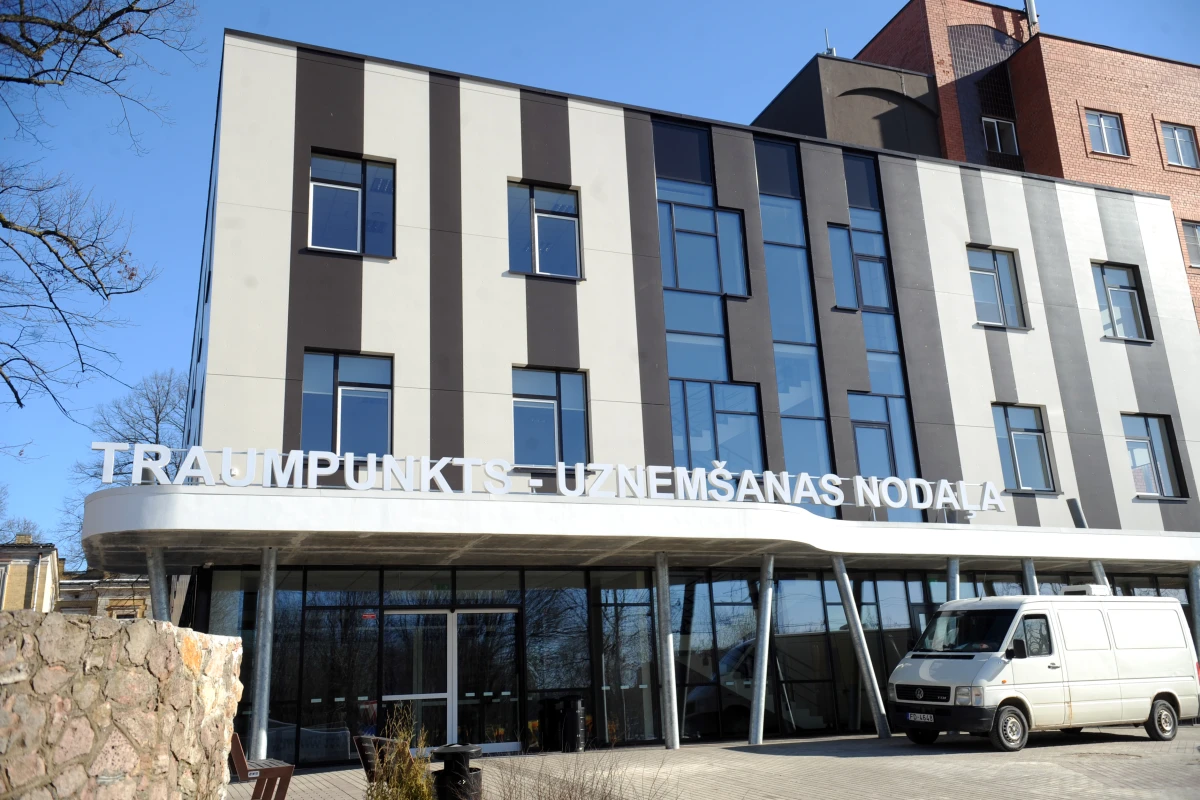
The Traumatology and Orthopedic Hospital significantly expanded the volume of paid services last year. The reason was insufficient state funding, which, according to the management of the institution, no longer covers the actual costs of providing medical care.
The Traumatology and Orthopedic Hospital (TOB) increased the number of paying inpatient patients by 70.5% in 2025 compared to the previous year. This step was necessary to maintain effective bed occupancy and the financial stability of the institution.
This is stated in the annual report of the hospital management.
Over the past year, 7,476 patients received inpatient medical care, and the number of outpatient visits exceeded 104,000. Almost 90% of the possible volume of surgeries was performed in the hospital, with more than four thousand surgical interventions carried out on an outpatient basis.
As a result, the hospital managed to end the year with a small profit of €16,300. In comparison, the previous year the institution operated at a loss of over half a million euros.
The key factor in improving financial performance was the increase in revenue from paid medical services. Over the year, they increased by more than €640,000, or 28%.
What is important to know: despite its status as a state medical institution, the hospital increasingly relies on paid services. The management explicitly states that the current healthcare funding system does not cover all actual expenses and does not allow for confident long-term development planning.
The main source of income remains the state. A contract with the National Health Service provides about 86% of the hospital's turnover — nearly €27.8 million. However, the management notes that the current tariffs increasingly do not correspond to the real cost of treatment.
The largest expense items remain staff salaries and medical materials. Last year, nearly €19.7 million was allocated for wages, accounting for about 60% of all hospital expenses.
The report emphasizes that the institution continues to experience pressure due to rising costs for personnel, equipment, and medical resources. At the same time, the hospital finds it increasingly difficult to provide competitive salaries, modernize infrastructure, and invest in new technologies.
Among the main risks, management cites a high dependence on state funding, rising costs, a shortage of medical personnel, and the need to update equipment.
In the coming years, the hospital intends to continue increasing the share of paid services, improving patient flow management, and implementing new digital solutions.
Additionally, this year it is planned to implement projects worth €2.5 million with the support of European Union funds. The funds will be directed towards modernizing infrastructure, purchasing equipment, creating a new registration office for planned patients, and renovating departments.
The report shows that even the largest state medical institutions are increasingly seeking additional sources of income. Without changes in the healthcare funding system, this trend is likely to intensify.












Leave a comment