
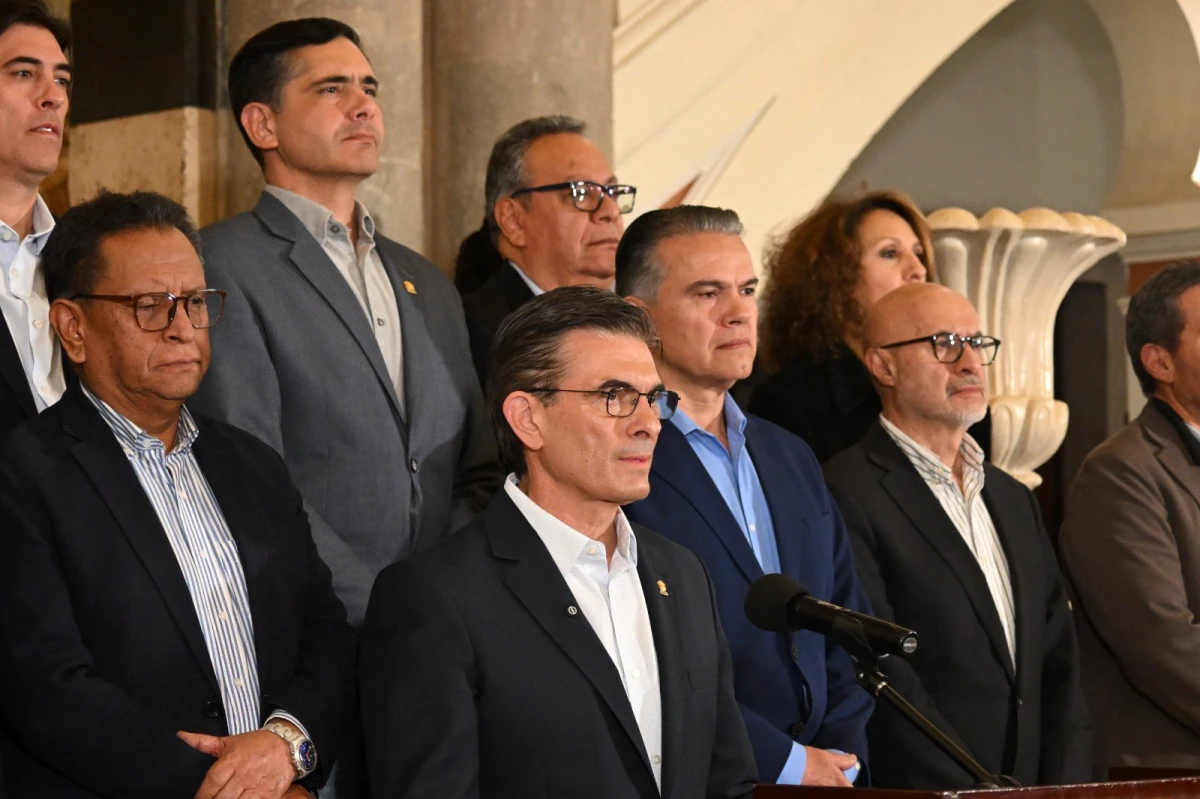
The President of Bolivia, Rodrigo Paz, declared a state of emergency throughout the country after more than six weeks of protests triggered by economic reforms and a worsening socio-economic situation.
The authorities of Bolivia have declared a state of emergency following a prolonged political and social crisis that has engulfed the country amid economic reforms by the new government. The statement was made by President Rodrigo Paz, who has been in power for just over seven months.
According to the head of state, the decision was made after the authorities exhausted their options for negotiations with the protesters and reached agreements with some trade union organizations.
"We have exhausted all possibilities for dialogue and have decided to declare a state of emergency throughout the country," Paz stated in a televised address.
Shortly before this, the government signed an agreement with the country's largest trade union federation — the Central Workers' Organization of Bolivia (COB). However, the agreements did not satisfy all protesting groups, and some demonstrations continued. The cause of widespread discontent was the government's economic measures aimed at overcoming the most severe crisis in the country in the last four decades.
After coming to power, Rodrigo Paz initiated large-scale reforms, including cuts to state fuel subsidies and a review of economic policy. The new president also restored relations with the United States, which had been seriously strained in recent years.
What is important to know: the protests began as socio-economic actions demanding wage increases and stabilization of fuel supplies. However, over time they took on a political character, with calls for the president's resignation increasingly heard among the demands.
In recent weeks, protesters have blocked roads leading to the country's capital, La Paz. Due to the threat of unrest, many stores have temporarily closed. Authorities warn that in some areas, shortages of food, medicines, and fuel are beginning to be felt.
The situation has become a serious test for the new president, who came to power after elections that ended more than two decades of leftist political dominance in Bolivia.
Despite a partial agreement with the trade unions, tensions in the country remain high. The declaration of a state of emergency indicates that the authorities fear further escalation of protests and new attempts to destabilize the situation.
The coming days will show whether this step will allow for regaining control over the situation or if the confrontation between the government and the protesters will continue.





Leave a comment