The individual readiness of Latvian residents for crisis situations remains very low. According to researcher Roberts Kīts from the LaSER analytical center, most people do not know how to act in the event of a serious crisis and rely on the state to solve all problems.
Researcher Roberts Kīts from the LaSER analytical center believes that the level of preparedness of Latvian residents for crises remains alarmingly low. According to him, the main issues are the lack of practical skills, knowledge, and personal responsibility.
“The situation regarding crisis preparedness is quite sad,” the expert acknowledged in an interview with LETA.
Kīts mentioned that last year the analytical center conducted a crisis situation simulation in Riga. The results made it clear that many residents still believe that the state should take care of everything in any emergency situation.
However, the modern concept of civil defense also implies personal readiness from individuals — at least for the first days of a crisis.
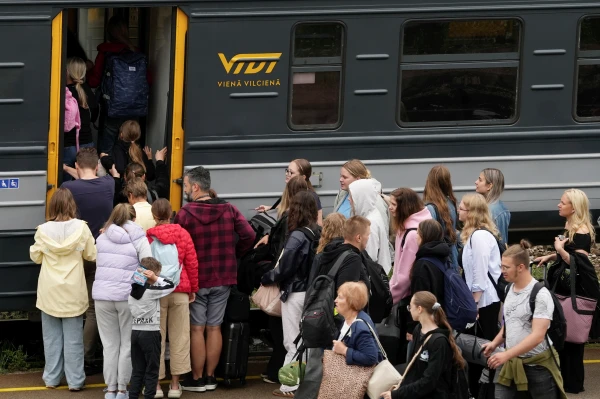
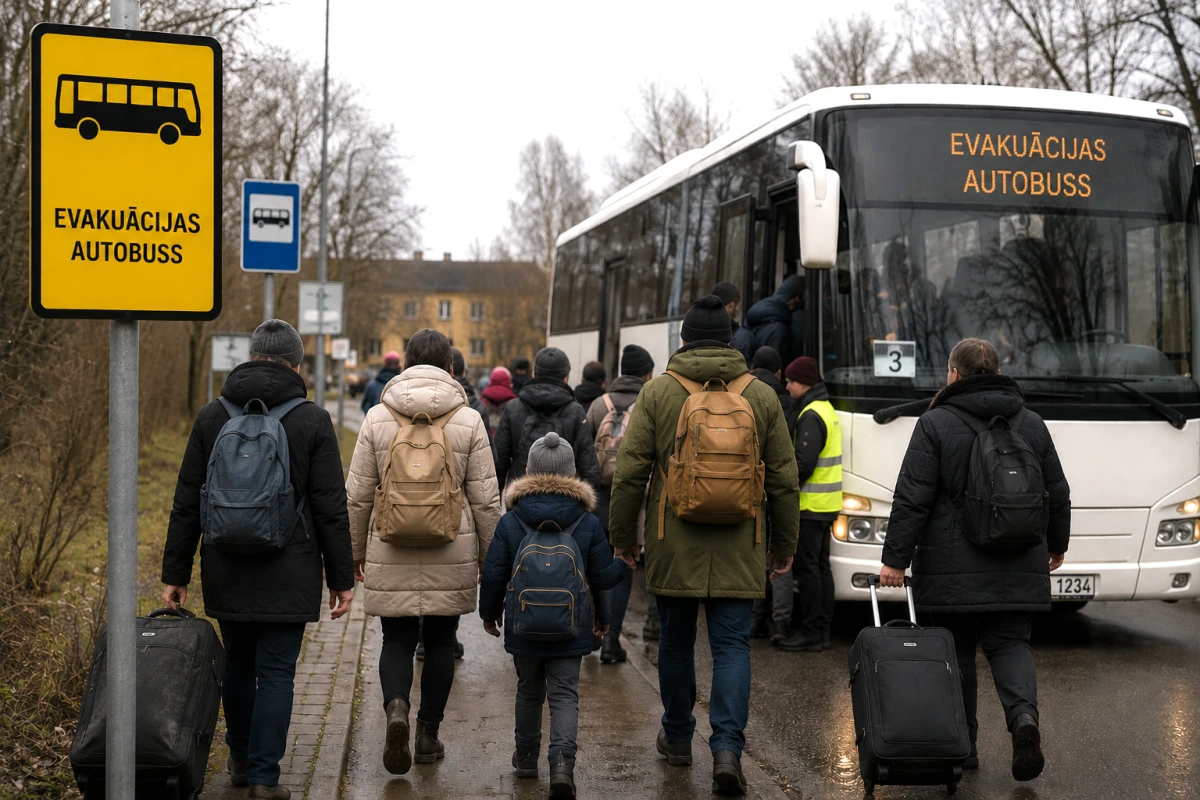
The expert believes that Latvia needs significantly larger and more regular drills for the population. Currently, some elements of training already exist — for example, during the “Namejs” exercises, the evacuation of residents was simulated. But, in Kīts’ opinion, this is clearly not enough.
He cited Estonia as an example, where the period of individual responsibility for citizens in crisis situations was increased from 72 hours to 10 days. In fact, the state expects that residents will be able to provide themselves with water, food, medicine, and basic safety for at least some time.
However, as the researcher emphasizes, increasing formal deadlines will not help if people do not know the basics — for example, what to do when the siren sounds or how to act during a loss of communication and electricity.
“We cannot build civil defense on assumptions,” Kīts noted.
Against the backdrop of the war in Ukraine and rising anxiety in the Baltic states, the topic of civil defense in Latvia has been discussed significantly more often than a few years ago.
The expert paid special attention to the issue of coordination between civilian and military plans. As an example, he cited the first hours of Russia's full-scale invasion of Ukraine, when huge traffic jams formed due to the mass exodus of residents from Kyiv. This hindered the movement of Ukrainian military units.
According to Kīts, in a crisis situation, a failure of one important element is enough — and the consequences can paralyze the entire system. That is why crisis scenarios need to be practiced in advance not only at the state level but also at the level of municipalities, services, and ordinary residents.
The expert also reminded that in emergencies, the functioning of infrastructure, the resilience of government institutions, and the ability of society to respond quickly to changes become critically important.
“It is dangerous to think that everything will somehow work out,” the researcher emphasized.