
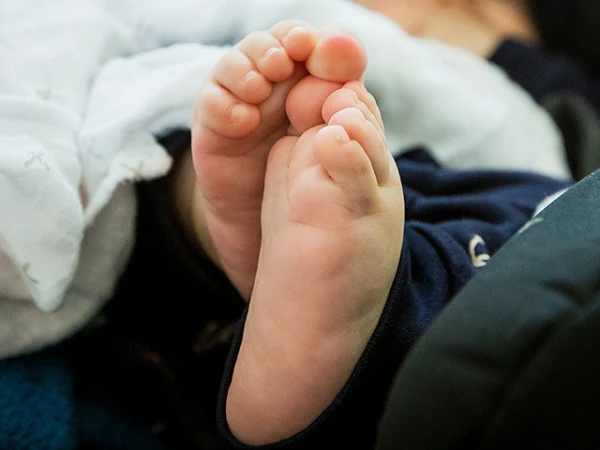
Some parents noted that they first observed such behaviors in eight-month-old infants.
According to research data, some children have not yet learned to walk and talk, but they begin to grasp the basics of deception before their first birthday. A study involving 750 parents showed that by around 10 months, about a quarter of infants exhibit simple forms of deception. These include pretending not to hear their parents, attempts to hide toys, or eating forbidden food when adults are not watching. Parents noted that by the age of three, children start to deceive more frequently and do so more inventively.
Researchers surveyed parents of over 750 children aged from birth to 47 months in the UK, USA, Australia, and Canada, asking questions about when and how their child showed signs of deceptive behavior. Some parents reported that they first noticed such behaviors in eight-month-old infants. It also turned out that these actions can occur quite frequently: after a child begins to deceive, about half of the children that parents categorize as "deceivers" did something dishonest within the last day.
Starting around the age of two, deception is more often expressed through actions or simple verbal responses. For example, a child may pretend not to hear a parent's request to pick up toys, hide certain items, or deny the obvious—such as eating chocolate while shaking their head and answering "no" to the question of whether they had eaten it.
The study also found that by the age of three, children begin to better understand different ways of deceiving and use them. This is linked to a more developed command of language and the child's growing awareness of how other people think and perceive situations.















Leave a comment