In May, gardeners begin to actively sow and plant various plants in their plots.
However, as practice shows, many make mistakes or rush the planting process, which can be decisive.
Therefore, it is worth figuring out which plants are best to plant in May.
White Cabbage
White cabbage can be planted directly into the soil. After planting, it is necessary to water the soil with warm water immediately.
Some recommend applying mulch, but there are nuances that every gardener should consider.
It is important to remember that cabbage loves water. From the first days, dryness of the soil should not be allowed; otherwise, one can forget about a good harvest. Special attention should also be paid to pests that can cause irreparable damage to young cabbage.
Greens
This includes:
- Lettuce.
- Parsley.
- Dill and much more.
There are basic tips: to ensure good rooting of the seeds, they should be soaked in water for 3 days before planting. Planting should be done according to the instructions, as there are different varieties and growing features.
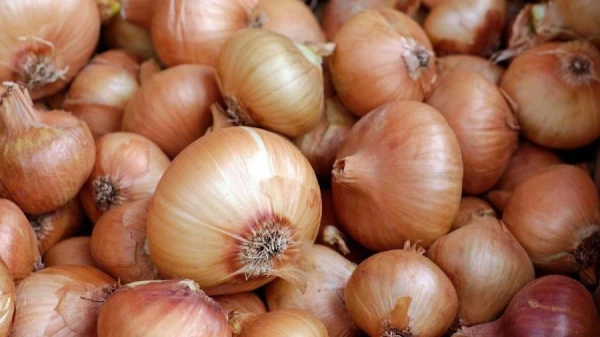
Set Onions
Before planting, it is recommended to soak the seedlings in warm water for 12 hours. Planting should be done when the temperature rises above 10 degrees. The soil should be moist and loose.
Carrots
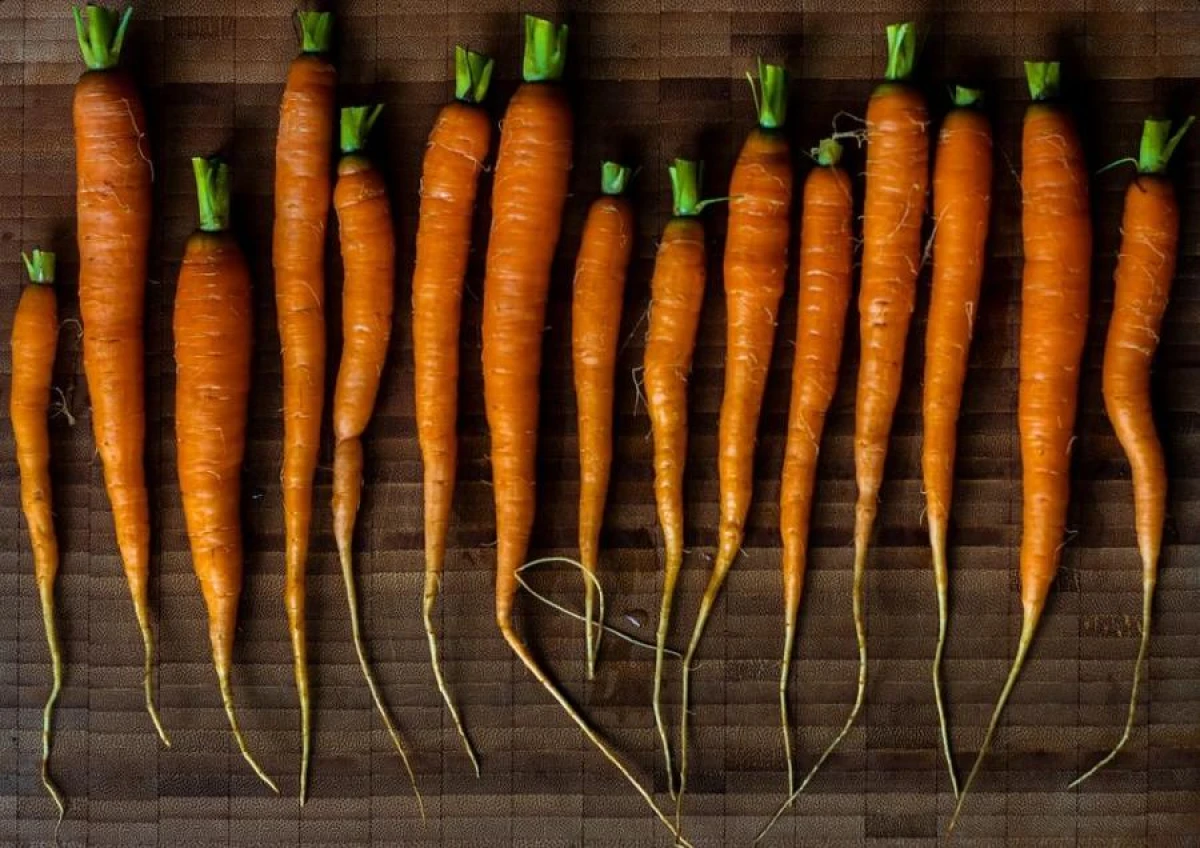
Carrots should be planted in the first half of May.
Of course, there are varieties that can be planted in the soil earlier and even in the summer to harvest at the very end of the season. When planting carrots, it is important to remember about crop rotation.
Ideally, if tomatoes, cucumbers, garlic, dill, potatoes, or cabbage grew in this area last year:
1) Tomatoes.
2) Cucumbers.
3) Garlic.
4) Dill.
5) Potatoes.
6) Cabbage.
Under no circumstances should carrots be planted after parsley, as unfavorable pests may remain in the soil that are not visible.
Beets
Beets do not require special care. The main thing is a well-lit area with fertile and loose soil. Specialists recommend soaking the seeds in warm water for 12 hours before planting.
When planting, it is important to remember the distance between the seeds, which should be 10 centimeters, and the depth should be up to 3 centimeters.
Spring Garlic
This crop should be planted when the soil warms up to 12 degrees. Spring garlic grows well in clay soil. After planting, it is recommended to apply organic fertilizers to accelerate growth.
Specialists also advise to water the beds with a salt solution before planting, with proportions of 3 tablespoons of salt per 10 liters of water. It is believed that such watering will protect spring garlic from many pests.
Turnips
Turnips are one of the most unpretentious crops. They can grow in many soils and do not require fertilizers. Seeds should be planted at a depth of 1-2 centimeters. After planting, it is important to lightly cover the soil and compact it slightly.
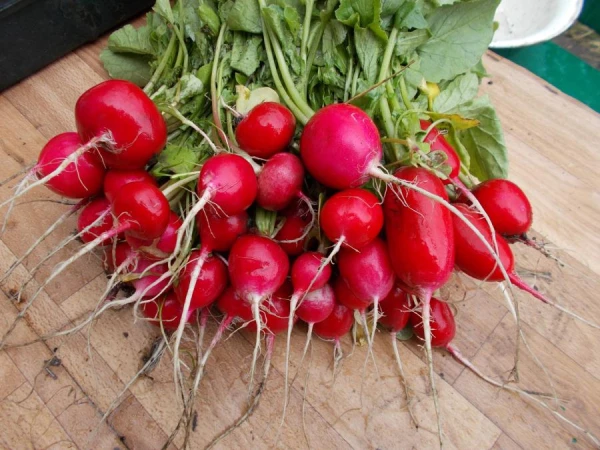
Radishes
Radishes can be planted in the area earlier than May. The crop should be planted in sunny areas protected from the wind.
Before planting, the seeds need to be soaked. The first shoots should appear if the temperature does not drop below 18 degrees.