
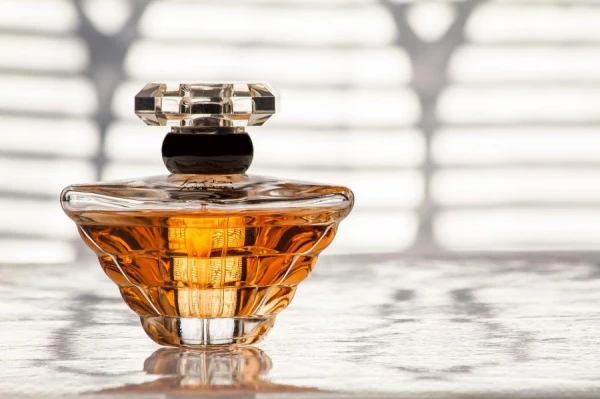
According to hygienist Ekaterina Azarova, the shelf life of perfumes largely depends on the composition, source of raw materials, and storage conditions, including humidity levels and exposure to sunlight.
Every fragrance contains stabilizers; however, they cannot completely prevent the oxidation of perfumes. Under the influence of oxidizers, the perfume formula changes, and the ingredients begin to interact differently, leading to changes in scent, color, and consistency. Most often, these changes do not occur for the better.
There are three main reasons why perfumes spoil: light, heat, and air. This means that if the bottle remains sealed and airtight, the fragrance can last for decades. However, if you have already started using the perfume and want to save it for special occasions, it is better not to leave it for many years: enjoy your favorite scent now. It is very important that the bottle remains airtight. Once air gets inside, the perfume begins to oxidize and lose its original properties. This is one of the reasons why it is not recommended to buy perfumes in split bottles — in this case, their shelf life will be minimal.
Perfumes damaged by temperature and light not only change in scent but also in color. This should be taken into account when applying them to clothing or other items.
After the expiration date, perfumes do not become toxic; however, like cosmetics, they can cause skin reactions, allergies, headaches, and breathing problems.
As for vintage perfumes, it should be noted that even if the packaging is unopened, some ingredients used in their production are now banned. Therefore, if you really like this scent, it is better to spray it on clothing rather than on skin.
Recommendations for Storing Perfumes:
1. Maintain a temperature range: store perfumes and eau de toilette at temperatures between +5 and +25 °C.
2. Avoid storing perfumes in the bathroom, refrigerator, or in direct sunlight. External factors such as light, cold, humidity, and sharp temperature fluctuations can negatively affect shelf life.
3. Perfume can be stored in a closet, on an open shelf, or carried in a handbag.
Remember: perfumes do not tolerate light, sharp temperature changes, and exposure to oxygen. A spray bottle offers better protection than a splash bottle (a container with a fitted glass stopper, a stopper, or a screw cap that provides access to the perfume liquid). The box in which the bottle is located also plays an important role in protecting against light and should not be discarded.
How to Determine if a Perfume Has Spoiled:
1. Change in scent. If you notice that the fragrance has become different (for example, sharper or more bitter), this may indicate that the perfume composition has gone rancid.
2. Change in liquid color. If the color has become more saturated or changed, this is also a sign of spoilage.
3. If the liquid has separated or if "gas" (bubbling) is coming from the bottle, this indicates that this product should not be applied to the skin.
Citrus essential oils evaporate the fastest, so compositions with notes of lemon and bergamot may lose their brightness. Meanwhile, substances of woody and balsamic origin are long-lasting.
DICTIONARY
Splitting perfume is the process of distributing perfume into small spray bottles. This is essentially a joint purchase of one bottle of expensive perfume by several buyers.





Leave a comment