Where will food not spoil quickly?
Vegetables and fruits fall into the category of perishable products, and even in the refrigerator, they require special conditions for prolonged preservation of freshness and nutritional properties, notes Elena Loyko, a hygienist doctor.
The optimal temperature range for storing most vegetables is from +2 to +6 degrees Celsius. This temperature contributes to their better preservation.
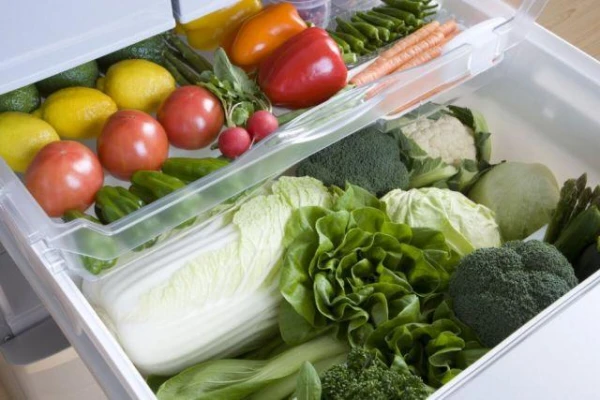
The most suitable place for storing vegetables and fruits is the bottom shelf of the refrigerator, where there are drawers designed for separate storage of these products. Regularly check your supplies and promptly remove any fruits showing signs of spoilage. If you have a lot of products, they can be packed and placed on the upper shelves.
Different Storage Methods
“There is an opinion that vegetables and greens can be stored in the refrigerator for a long time. There are many recipes available on how to 'revive' wilted salads or parsley. However, we strongly advise against doing this,” says Elena Loyko. “Any vegetables, fruits, leafy salads, or greens should be disposed of at the first signs of spoilage or wilting.”
If you have processed vegetables and greens—washed, chopped, or peeled them—consume them within 18 hours. Salads made from raw vegetables and fruits without dressing can also be stored in the refrigerator for no more than 18 hours. If the salad contains dressing, canned vegetables, or eggs, it should be eaten as soon as possible, as it will become unsafe after 6 hours. Salads and vinaigrettes made from boiled vegetables without dressing, as well as salads with meat, poultry, fish, or smoked products without dressing, should be consumed within 18 hours of preparation. Salads with dressing (mayonnaise, sauces) can be stored for no more than 12 hours.
Harvest Preservation
To maintain the freshness of the harvest, both traditional refrigerators and freezers can be used. Freezing significantly extends the shelf life of vegetables and fruits. Almost everything can be frozen, except for products with a high water content, such as lettuce and cucumbers.
Most vegetables, including cauliflower, broccoli, red cabbage, beets, zucchini, and eggplants, can be preserved for a long time. It is better to cut fruits into pieces before freezing. Grapes and other berries can be frozen whole. Vegetables should preferably be blanched before freezing.
The shelf life of vegetables and fruits in the freezer at a constant temperature of -18°C varies depending on the type of products and averages: for vegetables — 1 year, for fruits — from 8 to 12 months.
Storing vegetables in the refrigerator is a common solution, especially for urban apartments. With proper organization and careful selection of packaging, products can retain their qualities and appearance for a long time. There are many packaging methods: food wrap, glass containers, vacuum bags, foil, paper, antibacterial mats, and plastic containers. Which option is better? In general, paper bags are suitable for these purposes, as they allow air circulation and prevent moisture accumulation. Special plastic food containers can also be used, which help keep vegetables and fruits fresh for up to a month.