
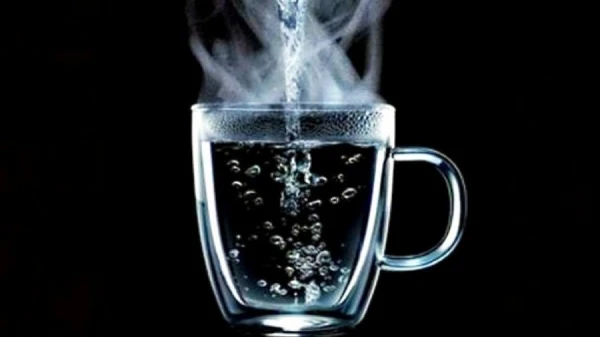
After boiling potatoes or pasta, we often pour boiling water down the sink. However, if we do not let the water cool before draining it into the sewer, it can lead to undesirable consequences.
Pouring boiling water down the sink is a common practice. However, in some cases, it can lead to serious problems. Why does this happen? It’s due to the materials from which your sink, pipes, and siphon are made. Most drainage pipes are made of polyvinyl chloride (PVC) — a cheap and flexible polymer.
PVC pipes are not designed for prolonged exposure to high temperatures: nothing will happen if the temperature of the draining water is 60°C. This plastic can also withstand short-term exposure to boiling water — up to one minute.
However, if you continue to pour boiling water down the sink for an extended period, PVC can significantly deform due to increased plasticity when heated. After such exposure, the plastic will not be able to return to its original state. As it cools, when the volume of the material decreases, cracks may appear in the pipe, compromising its tightness.
Additionally, when pouring a large volume of boiling water, the seals that ensure the tightness of the connections expand and lose their effectiveness. As a result, you risk flooding your neighbors when the boiling water starts leaking from under the sink. There have been cases where attempts to clear pipes with hot water caused the entire drain to collapse.
Hot water can also damage the material of the sink. If you immediately turn on cold water after pouring a large volume of boiling water, the sink material, which initially expanded sharply, will then decrease in volume. This leads to the formation of internal stresses, which can ultimately cause cracks in the sink.













Leave a comment