If you ask anyone what harms the liver the most, the answer will be unequivocal — alcohol. Professional alcoholics often have livers that are filled with fat, and regular alcohol consumption leads to serious changes — from inflammation to liver enlargement. However, there are other products that usually do not raise suspicion but can be harmful. After a sober feast, we may feel discomfort in the liver. Which products should be avoided? Doctors have identified thirteen of the most dangerous foods for the liver.
Fruits
Fruits themselves are not that harmful to the liver, but it all depends on their quantity. The fact is that they contain fructose, which can lead to fatty liver, and this process occurs quite quickly.
Fructose is one of the most common monosaccharides alongside glucose, which is a source of energy for the body. However, unlike glucose, fructose is almost completely absorbed by liver cells and converted into free fatty acids, which can lead to obesity and cardiovascular diseases.
Pure sugar ranks first among foods dangerous for the liver. If you decide to replace it with any substitute, be sure to check the composition. If it contains fructose, consider that you have simply exchanged one evil for another.
Bread
Nutritionists often criticize bread due to the use of soft flour from which it is made. This flour quickly turns into glucose, leading to a high glycemic index of bread, raising blood sugar levels, contributing to fat accumulation in the liver and weight gain. This can cause hyperinsulinemia, which, if left untreated, can easily progress to diabetes.
Symptoms of hyperinsulinemia include a constant craving for sweets, acute hunger, decreased concentration, weight gain, increased anxiety, panic attacks, and chronic fatigue.
Bread made from wheat flour is more harmful than that made from whole grain, especially for diabetics. This is because the grain intended for processing is polished and loses much of its usefulness. The flour is then further processed and enriched with artificial additives, making the finished product from premium flour practically useless.
Salt
In recent years, the recommendations of the World Health Organization regarding salt consumption have remained unchanged: a maximum of 5 grams per day for the average person.
Excessive salt consumption leads to fluid retention in the body and weight gain. Therefore, after salty food, thirst arises. To eliminate excess fluid, the body needs to exert additional effort.
Salt overdose often occurs due to the consumption of products with hidden salt: sausages, hot dogs, smoked meats, cheeses, canned goods, chips, and others. Excess salt increases cell death and raises the risk of developing fibrosis — a pathological condition in which connective tissue abnormally grows, forming scars in various organs, including the liver.
However, salt is necessary for the body due to its sodium content. If its level in the blood falls below normal, it can lead to serious disturbances in water-salt balance and disruption of nerve cell function.
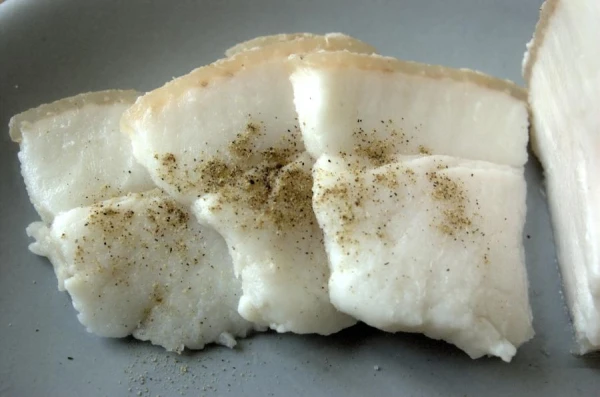
Fatty Foods
High-fat foods create additional strain on the liver and stomach. Therefore, it is important to control the intake of both animal and plant fats.
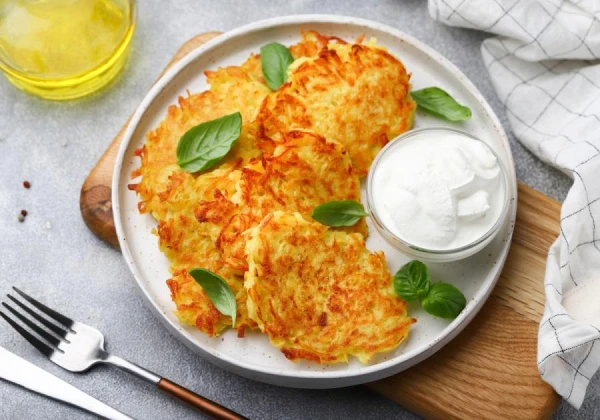
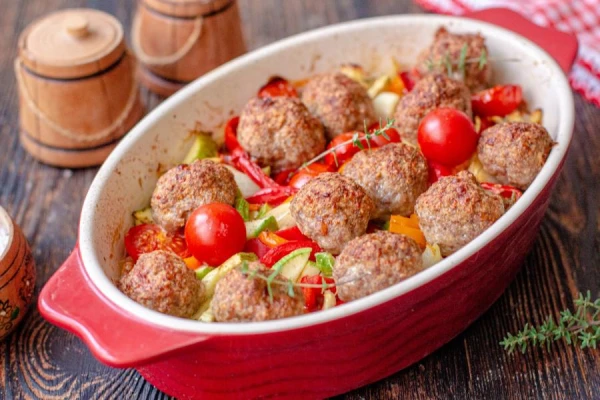
It is particularly harmful to the liver if fatty foods are fried. The most beneficial cooking methods, according to nutritionists, are boiling, baking, and steaming.
How to Support Liver Health
We often believe that liver health can be restored with medications. However, this can be avoided if we know which foods promote liver cell recovery. Such foods do exist.
Vegetables, greens, berries, fish, lean meat, low-fat dairy products, legumes, nuts, and vegetable oils positively affect liver health.
Additionally, beef liver is beneficial as a source of vitamins and trace elements. It contains a lot of iron, vitamins A and B group, which are involved in biochemical reactions.
Meat should also be included in the diet as a source of protein — red meat 1–2 times a week.
Fish is recommended 2–3 times a week as a source of essential amino acids necessary for liver regeneration and the generation of enzymes involved in detoxification.
Moreover, healthy habits will help maintain liver health:
* eliminate high-fat, high-sugar, and high-salt foods;
* avoid fried foods and fast food;
* balance your diet;
* consume foods rich in dietary fiber;
* avoid carbonated drinks and drink water;
* minimize alcohol consumption (if complete abstinence is not possible).
Source: jenskiymir