
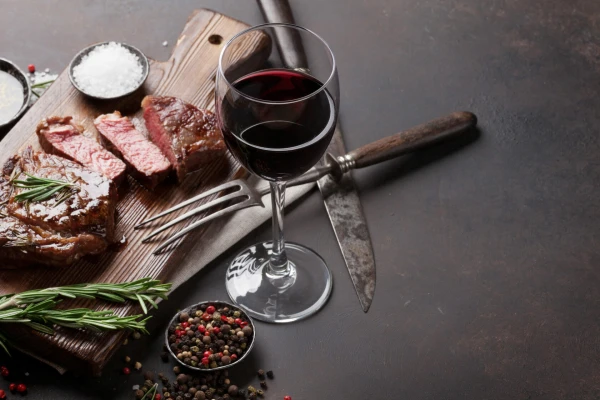
In the world of gastronomy, there is an unwritten rule: it is important to choose the right dishes to go with good red wine. We have all heard that fish usually does not pair well with red varieties, but this is far from the only culinary conflict with wine. In the pursuit of the perfect pairing, non-obvious mistakes are often made: products that spoil the taste of the noble drink end up on the table. Let's look at the most common blunders and explain what flavor and chemical conflicts arise with red wine and how to avoid them.
Blue Cheeses: A Bitter Taste on the Tongue
Spicy blue cheeses (Roquefort, Dorblu, etc.) are a common guest on cheese platters, but they generally do not pair well with red wine. The reason lies in the chemistry of taste. Tannic red wines react with the amino acids and salt in blue cheese, causing an unpleasant bitterness and even metallic notes. The strong saltiness and sharp aroma of the mold only exacerbate the problem – a dry red wine against such cheese seems coarse and bitter. It is no wonder that sommeliers recommend pairing blue cheeses with dessert wines (port, Sauternes) or high-acid whites, while avoiding red wines.
Artichokes: A Sweet Trap for Wine
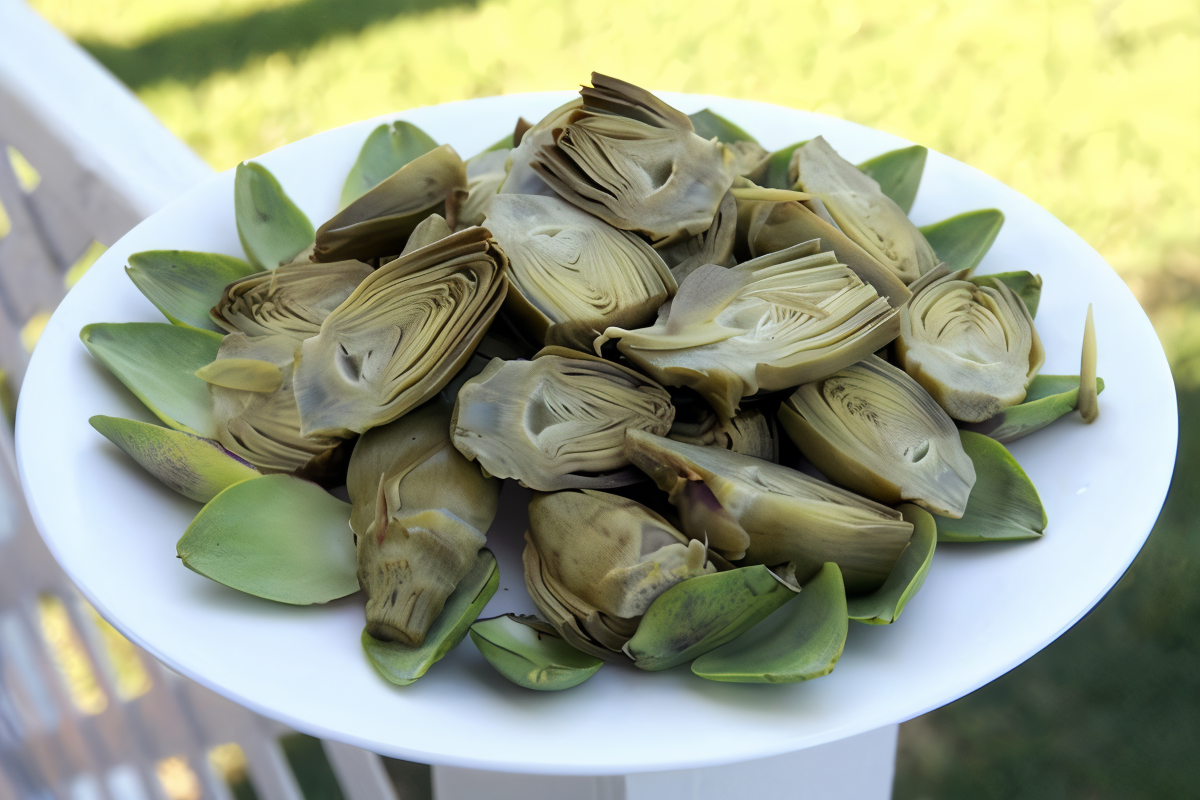
This exquisite vegetable is sadly famous for ruining the taste of wine. Artichokes contain a substance called cynarin, which deceives our receptors: after eating artichokes, any wine seems much sweeter than it actually is. Red wine loses its depth, becoming flat, cloying, with an unclear aftertaste. Aged reds, which often have notes of vanilla and oak, suffer particularly – cynarin enhances these sweetish tones, and the wine "collapses" into a monotonous, dull flavor. If you really want to serve artichokes, experts recommend choosing wines that have not been aged in barrels, as dry and acidic as possible (for example, a zesty Sauvignon Blanc) – but heavy red should definitely be left for another dish.
Spicy Asian Cuisine: Fire Against Tannins
Spicy dishes with chili, curry, or ginger are a challenge for any wine, especially red. Spicy Asian food intensifies the burning sensation in the mouth, while strong alcohol and tannins in red wine only add fuel to the fire. The fact is that capsaicin (the substance from chili peppers) causes a physical feeling of heat, and alcohol enhances it. As a result, the wine brings bitterness instead of flavor and feels thin and watery. Tannins against the backdrop of spices seem particularly astringent and unpleasant. Such dissonance can completely overshadow both the taste of the dish and the drink. Of course, there are those who enjoy experimenting, but it is safer to take a fruity white or rosé with residual sweetness for an Asian dinner – it will soften the spiciness, while a rich red will only exacerbate the flavor conflict.
Very Sweet Fruits: Red Turns Sour
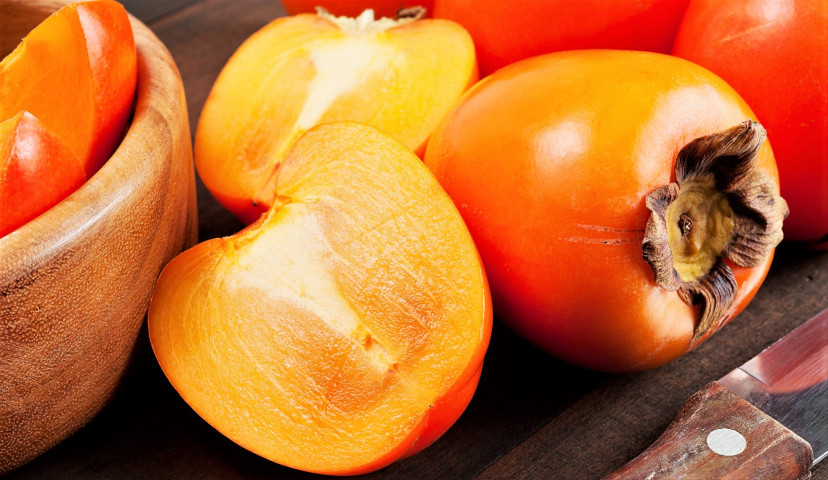
A fruit platter and a glass of wine seem to be the perfect duo for a romantic evening. But if the fruits are too sweet (for example, ripe banana, mango, or persimmon), dry red wine will lose all its colors against them. The main rule of the wine-food pairing: the wine should be at least slightly sweeter than the food. Otherwise, the sugar in the fruits will drown out the subtle notes of the wine, making it coarse, sour, and empty. Our brain, receiving a strong signal of sweetness from the dessert, simply stops perceiving the residual fruity notes of the wine. As a result, the noble drink will seem like sour compote. A nearly guaranteed failure is the combination of tannic Cabernet or Syrah with fresh fruits: a metallic aftertaste even appears. If there are very sweet fruits on the table (like banana or fig), it is better to serve them with a wine that has sweetness (for example, port or Sauternes) – or not to torture dry red with such company at all.
Dark Chocolate: A Duel of Bitterness
Many consider the pairing of "red wine + chocolate" a classic. However, with dark chocolate (70% cocoa and above), dry red does not get along. Both chocolate and red wine are rich in flavonoids – tannins that are responsible for the bitter, astringent taste. When they meet together, a bitter double occurs: the wine seems sharper and more acidic, and the fruity tones disappear. The tannins in chocolate enhance the tannins in wine – instead of harmony on the palate, there is dryness and astringent bitterness. Therefore, a dessert made of bitter chocolate can kill the bouquet of even an expensive Cabernet. If you want to pair red with chocolate, experts recommend choosing either a milder chocolate (milk chocolate) or special wines (for example, sweet port or fortified reds) that can tame the bitterness with sweetness and spiciness. Otherwise, you risk getting a sour, unpleasant taste instead of the promised pleasure.
Egg Dishes: The Wine Doesn't Open Up
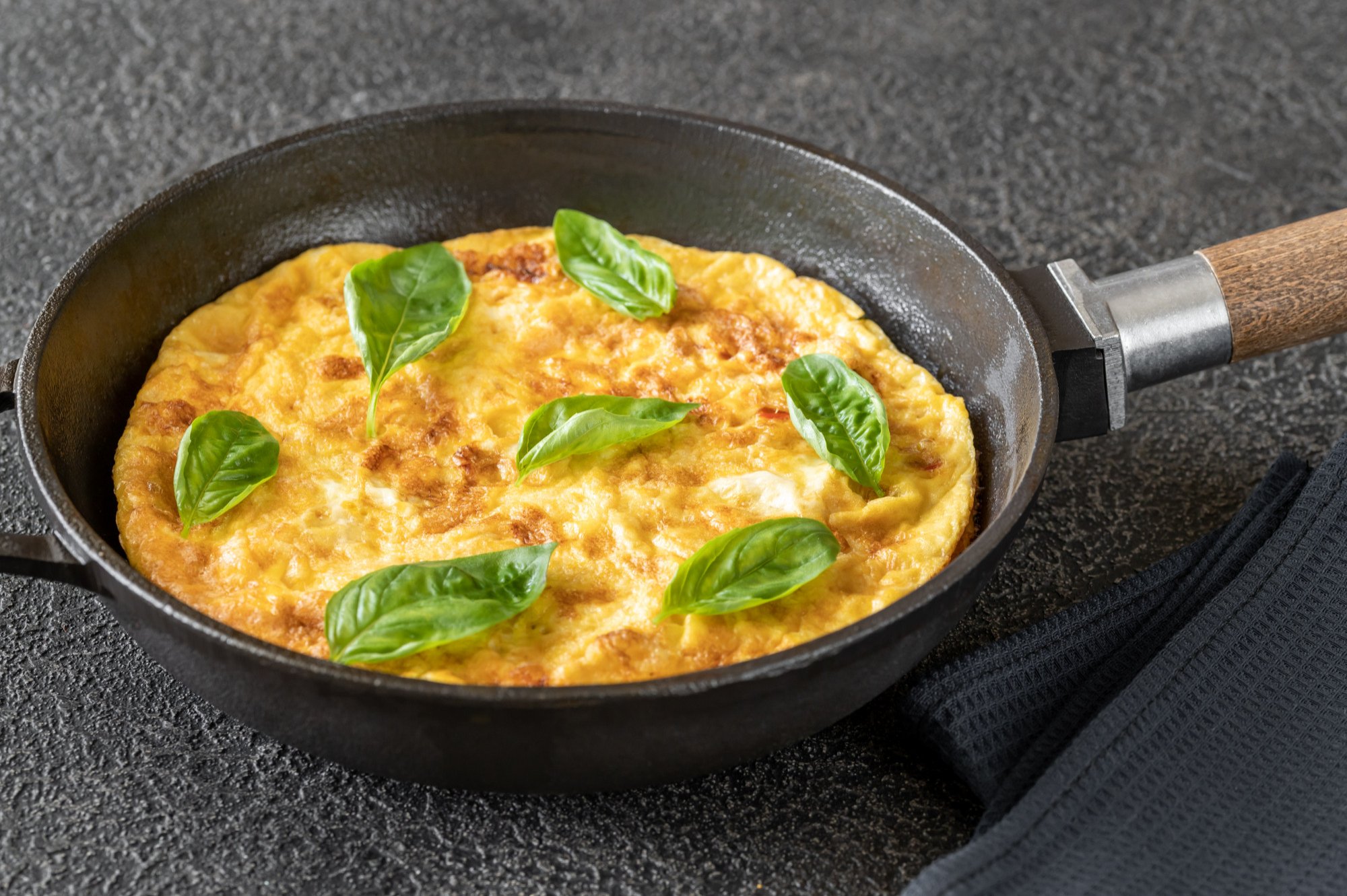
Fried eggs, omelets, hard-boiled eggs – any breakfast with eggs is better accompanied by anything but red wine. Egg dishes coat the mouth with a film (the yolk is particularly rich in fats), which prevents the wine from being fully appreciated. Moreover, eggs contain sulfur-containing compounds: in contact with wine, they can give a metallic or sulfurous taste – sommeliers describe this as a taste of iron or even rubber. Heavy reds react particularly poorly – tannic Cabernet or Shiraz only highlight the unpleasant notes and seem flat and stale themselves. It is no coincidence that the classic pairing for eggs is sparkling brut or champagne: the acidity and bubbles can cut through the richness of the omelet. Meanwhile, red wine almost always loses next to egg dishes, failing to reveal its bouquet.
Pickled Vegetables: An Acidic Blow to Wine
A platter of pickled cucumbers, olives, capers, and other pickles is a great snack, but not with red wine. The culprit of the conflict is vinegar, which is present in abundance in marinades. Acetic acid is considered a sworn enemy of wine: it sharply distorts the perception of taste. A sip of red wine against, say, a pickled cucumber will seem sharply acidic, even flat and devoid of aroma. The high acidity of the pickles blocks the fruity notes of the wine, and the salty-sour taste of the marinade conflicts with the tannins. As a result, neither the snack nor the drink "sounds." This is why wine etiquette recommends avoiding the pairing of wines (not only reds but any) with dishes heavily dressed in vinegar – the flavor battle here is merciless, and wine almost always loses.
The Art of Balance, Not a Strict Prohibition
Of course, it is important to understand that all the combinations listed are not taboos or prohibitions, but hints for maximum gastronomic pleasure. Certainly, if you really want, no one will take away your glass of Cabernet with spicy kebabs or a piece of Gorgonzola. Taste is a subjective matter. However, the ability to avoid flavor conflicts comes with experience. Knowing about the treacherous properties of certain products, you can more subtly select dishes to pair with red wine, so that both the food and the drink play in unison. Not for the sake of rules, but for vivid impressions! After all, the perfect pairing of wine and dish is born where there is harmony, not compromise.














Leave a comment