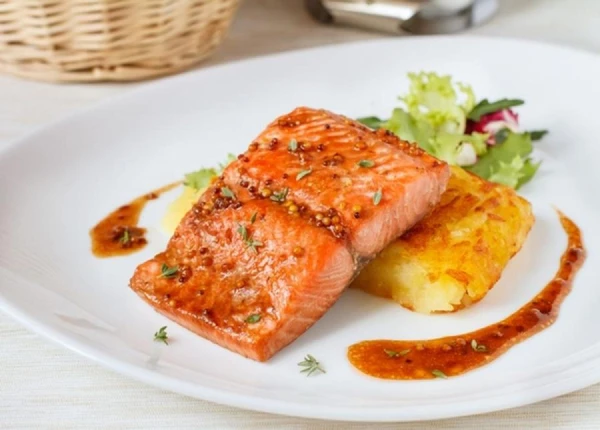
Omega-3 fatty acids have long been considered one of the most valuable nutrients in the diet. They support the functioning of the heart and blood vessels, participate in regulating inflammatory processes, and affect the condition of the skin and nervous system.
Fish is the main dietary source of Omega-3, but during cooking, some of these valuable fatty acids may be destroyed.
What Types of Fish Have High Omega-3 Content
The highest concentration of Omega-3 is found in fatty fish species, such as salmon, herring, and mackerel. These acids are sensitive to high temperatures, oxygen, and prolonged heating, so the cooking method becomes not just a matter of taste, but a factor in nutrient preservation.
Omega-3 in fish primarily consists of eicosapentaenoic acid (EPA) and docosahexaenoic acid (DHA). They are associated with supporting heart, vascular, and nervous system health. These forms of Omega-3 have pronounced anti-inflammatory and cardioprotective effects. In many countries, the recommended daily intake of EPA + DHA ranges from 200 to 1000 mg, and fatty fish easily help meet this requirement.
The Best Ways to Cook Fish for Maximum Benefits
Steaming is considered the gentlest method. At temperatures below 100 degrees and without direct contact with water, fatty acids are minimally oxidized. The fish retains its structure, juiciness, and most of its beneficial fats. A similar option is slow cooking and baking at low temperatures in foil or under a lid. When the product is protected from air exposure and not subjected to aggressive heating, Omega-3 losses remain moderate.
Boiling in water is also relatively safe, but with a caveat. Omega-3 does not dissolve in water; however, during prolonged boiling, some fat may leach into the broth. If it is not used in the dish, then some nutrients are lost. Therefore, soups and fish broths often contain more beneficial substances than boiled fish, the broth of which was not used.
Frying is the most vulnerable method for Omega-3. At temperatures above 160-180 degrees, fatty acids actively break down and oxidize. This is especially noticeable when frying in vegetable oil, where the oxidation of Omega-3 is compounded by interaction with heated fats. The overall calorie content of the dish may increase, while the relative proportion of Omega-3 in the fish decreases.
Grilling and barbecuing occupy an intermediate position. On one hand, contact with open flames and high temperatures accelerate the destruction of Omega-3. On the other hand, if cooked quickly without over-drying the fish or burning it, losses will be less than with prolonged frying in a pan. It is better to choose large pieces and use marinades with lemon juice or herbs, as they partially protect the fats from oxidation.
What Are the Alternatives to Classic Fish Cooking
Lightly salted and cold-smoked fish preserves Omega-3 better than hot smoking. Cold smoking does not involve high heat, so fatty acids are almost not destroyed. Hot smoking involves high temperatures and prolonged processing—during which some Omega-3 may decrease more than with cold smoking.
If the goal is to preserve more Omega-3 in fish, it is better to prefer steaming, baking, and stewing at moderate temperatures. Frying and hot smoking give the dish a vibrant flavor, but some beneficial fatty acids are reduced in the process. Choosing a cooking method helps combine the pleasure of eating with the preservation of valuable nutrients, and consuming fish at least 2-3 times a week helps maintain overall health.