
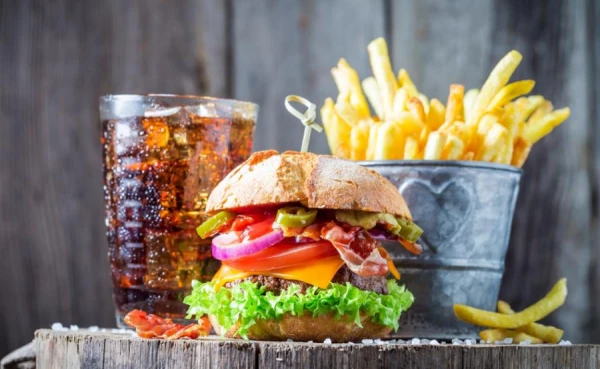
For the past two decades, Spanish scientists have conducted research among devoted fast food lovers. They found that these individuals have significantly shortened telomeres. This means that soon the cells will stop dividing, leading to their death. In a broader sense, this accelerates the aging process and can lead to premature death.
Telomeres are the end segments of chromosomes, and they are always shorter than those of the parent cells. Under the influence of substances found in fast food and convenience foods, these segments become even shorter, which hinders the proper division and development of cells. This is the mechanism of aging. Scientific studies confirm that people who frequently consume unhealthy food have a shorter lifespan compared to those who adhere to a balanced diet.
What makes convenience foods dangerous?
Convenience foods contain many chemical components, most of which are harmful to health. For example, they may contain ammonium sulfate, which is typically used as a fertilizer for plants. Some manufacturers add it to bread and other baked goods to control acidity. Convenience foods also often contain silicon dioxide or polypropylene glycol, which are used for cleaning oil spills and as antifreeze. You have probably purchased processed meat more than once, and it is worth knowing that it may have been treated with caustic ammonia to eliminate pathogenic microorganisms. Nutritionists advise avoiding dairy products with an appealing pink color, as it is often achieved through the addition of the dye carmine.
The Harm of Convenience Foods to Health
Convenience foods are high in energy value and are not dietary products. They contain a lot of carbohydrates and fats, which contribute to weight gain.
These products significantly raise the level of “bad” cholesterol. For example, the meat used for making patties is often not the best quality, including offal and skin. This leads to a high fat and cholesterol content, which negatively affects blood quality.
Moreover, convenience foods contain a lot of salt and spices that mask taste deficiencies. Excess salt in the body can lead to swelling, while spices create additional stress on the heart, liver, and kidneys. Salt also irritates the mucous membranes of the stomach and intestines, which with constant exposure can lead to colitis or gastritis.
Convenience foods often contain GMOs. Pay attention to the packaging; if it lists vegetable proteins, in most cases, they contain soy, including genetically modified soy.
Additionally, convenience foods contain various E-additives that are intended to increase shelf life, enhance aroma and flavor. These additives stimulate appetite and can lead to overstimulation of the nervous system, as well as cause serious liver and kidney diseases. It can be difficult to determine the exact number of additives in a product, as labels do not always provide accurate information.
Chilled convenience foods may be contaminated with dangerous microorganisms, such as Toxoplasma or Listeria, which cause illnesses with symptoms similar to a cold, but the consequences can be quite serious.
What is the harm of fast food?
Despite numerous publications about the dangers of fast food, its popularity does not diminish. One hamburger and a glass of cola a month will not lead to serious consequences, but regular consumption of such food can cause:
* excess weight and obesity;
* gallstones;
* liver and kidney problems;
* atherosclerosis;
* hypertension;
* pancreatic diseases;
* cavities;
* stomach ulcers.
Fast food lacks fiber, which is responsible for the feeling of fullness. Just a few hours after a quick meal, a person feels hungry again, which can lead to overeating. Fast food lacks the proteins necessary for building cells, but contains a lot of fats and carbohydrates, making such food heavy for the stomach. Digestion and absorption take a lot of time and energy, yet cells and tissues do not receive the necessary set of micro- and macronutrients.
An inseparable companion of a burger is a sweet carbonated drink. One small bottle of soda can contain up to 5 teaspoons of sugar, contributing to obesity and the development of diabetes.
Nevertheless, the most delicious and healthy food remains homemade meals made from fresh and quality ingredients. To maintain youth and beauty, it is recommended to consume plenty of vegetables and fruits, as well as to avoid fast food and convenience foods.
Source: dietology.pro
















Leave a comment