
Tomatoes, garlic, spicy dishes, fast food, and ice cream—all of them can trigger heartburn attacks in people with digestive issues.
Heartburn most often occurs due to the consumption of foods that promote excessive secretion of hydrochloric acid. Doctors have long known which specific foods can cause heartburn and what should be excluded from the diet to reduce discomfort and prevent attacks, reports Doctorpiter.
However, many people believe that heartburn is just an unpleasant but not dangerous condition, and they start taking medications to suppress the symptoms. But what will happen if heartburn medications are used without control? This was explained by gastroenterologist, PhD in medicine Ekaterina Kashukh.
Problems with the sphincter
Heartburn occurs when the sphincter connecting the stomach and esophagus does not function effectively. As a result, the acidic contents of the stomach—a mixture of food and gastric juice—are thrown back into the esophagus, causing a burning sensation behind the sternum and sometimes in the oropharynx.
Heartburn often arises from improper nutrition. First and foremost, it can be triggered by fatty, spicy, and acidic foods that irritate the gastrointestinal tract and increase acidity.
Sauces, fatty dishes, and marinades
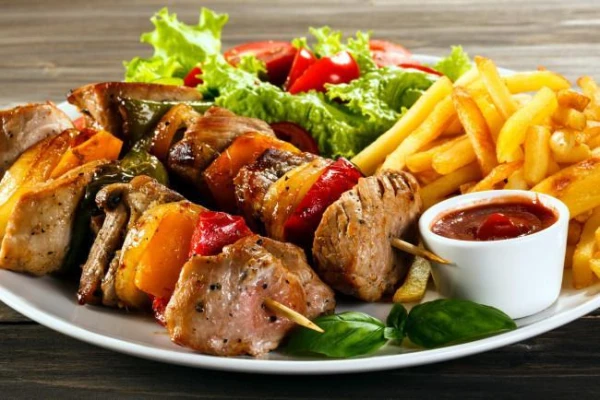
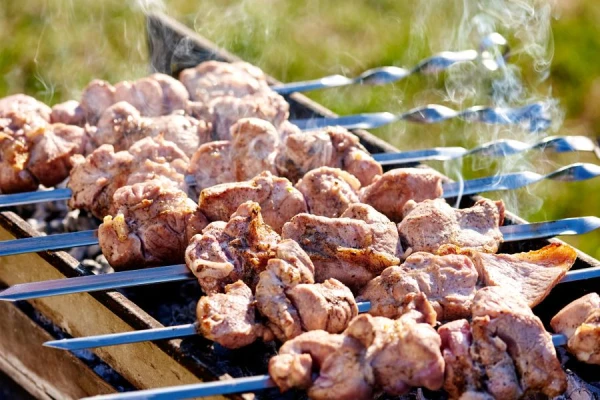
For example, dishes with a lot of spices or fat, such as shashlik, French fries, and curry, can lead to heartburn. Salads with mayonnaise can also cause this condition, as they promote excessive production of gastric juice. Additionally, the rich taste and appetizing aroma of such dishes can lead to overeating, which increases the load on the sphincter.
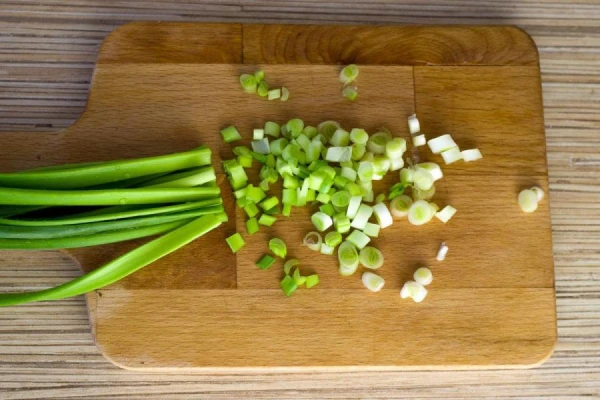
Citrus fruits, such as oranges, lemons, and limes, contain acid that irritates the mucous membranes of the gastrointestinal tract and causes increased secretion of gastric juice. Tomatoes and products based on them (sauces, soups), carbonated drinks, garlic, and onions have a similar effect.









Leave a comment