
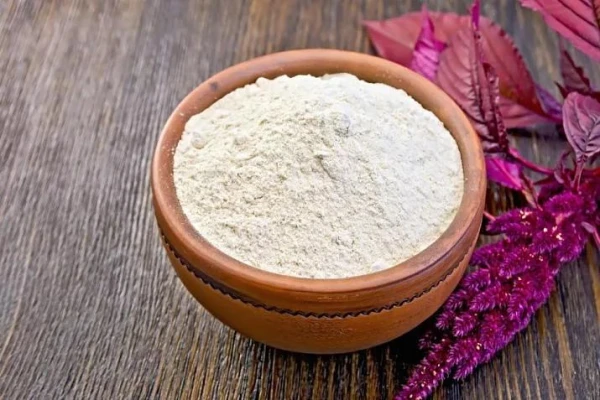
Amaranth flour has been known since ancient times. The indigenous people of South America used it for cooking, and today it is popular among those who follow a dietary diet.
Amaranth flour has been known since ancient times. The indigenous people of South America used it for cooking, and today it is popular among those who monitor their nutrition. This product is also suitable for those who follow a gluten-free diet.
The value of amaranth flour is determined by its nutritional composition. It is rich in proteins, vitamins, minerals, fiber, and amino acids, and in terms of the quality of these substances, amaranth flour significantly surpasses corn, wheat, and rye flour.
The main advantage of the product is the absence of gluten. Additionally, it contains minimal amounts of gluten and a lot of dietary fiber. The energy value of amaranth flour is 298 kcal.
Benefits of Amaranth Flour
Dishes made from amaranth flour are beneficial for people suffering from various diseases. The flour contains numerous antioxidants that help combat free radicals, slow down aging processes, prevent cell destruction, and reduce the risk of malignant tumors. Products made from amaranth flour enrich the body with iron, which is especially important in cases of anemia.
The product contains amino acids that help control the level of harmful cholesterol in the blood. The high content of protein and fiber contributes to normalizing glucose levels. The flour helps eliminate toxins and waste from the body, strengthening its protective functions. It is recommended to add amaranth flour to the diet of pregnant women to ensure proper nutrition for the fetus. It is indispensable for people with gluten intolerance.
Amaranth Flour for Weight Loss
This product belongs to the category of low-calorie foods, making it ideal for dietary nutrition. If you are looking to shed extra pounds, include baked goods and pastries made from amaranth bran in your diet.
Is Amaranth Flour Beneficial for Diabetics?
This question can be answered unequivocally — yes. Regular consumption of amaranth flour will help people with diabetes maintain normal insulin levels. Moreover, the product saturates cells with vitamin E, normalizes glucose levels, and slows down the breakdown of carbohydrates and fats.
Amaranth flour can be used to make sauces, added to cereals, or dissolved in milk or water. The best option is baking. When preparing dishes, it is recommended to mix amaranth flour with wheat flour in equal proportions.
How to Use Amaranth Flour
The product is recommended for use in heart and vascular diseases. Studies show that regular consumption of amaranth flour for 2-3 months significantly improves the condition of blood and lymph, strengthens the blood vessels of the brain, and accelerates the healing of scars after a myocardial infarction. Including amaranth flour in the diet is beneficial for anyone who has undergone heart surgery, as well as for the prevention of cardiovascular diseases.
Amaranth flour is also indicated for anemia — a condition associated with a deficiency of hemoglobin. This product contains a lot of iron, lysine, and copper, which helps replenish deficiencies. In this case, the flour should be added to sauces, vegetable stews, meat gravies, or cottage cheese casseroles.
To improve digestion and normalize gastrointestinal function, cereals made with water, cow's milk, almond milk, or coconut milk are excellent.
Seven Reasons Why Aztec Food Is Beneficial for Us
Reason #1: Gluten-Free
Amaranth flour, unlike wheat or oat flour, does not contain gluten, making it suitable for people with intolerance to this component and those who have decided to limit its consumption.
Reason #2: Rich Protein Composition
Amaranth is one of the most “protein-rich” plants. The protein it contains is easily absorbed by the body and, importantly, contains all the essential amino acids, including lysine and methionine, which are often lacking in grain products. According to scientists, its composition is close to that of animal proteins.
Reason #3: Source of Healthy Fats
Amaranth flour contains a complex of essential fatty acids (linoleic, linolenic, oleic, palmitic, stearic), which can make up to 77%.
Reason #4: Protection Against Serious Diseases
Amaranth is an excellent source of antioxidants. It is particularly rich in phenolic acids (gallic, para-hydroxybenzoic, and vanillic), which protect against aging, cardiovascular diseases, and cancer.
Reason #5: Vitamin and Mineral Complex
By adding amaranth flour to your diet, you provide your body with valuable nutrients such as manganese, magnesium, selenium, copper, phosphorus, and iron. These minerals are abundant in the small seeds.
Reason #6: Reducing Cholesterol Levels
Some studies show that amaranth can lower levels of “bad” cholesterol without affecting levels of “good” cholesterol.
Reason #7: Weight Control
Since amaranth is rich in protein and fiber, it can be an excellent ally in the fight against excess weight. High-protein foods help lower levels of ghrelin — the hormone that triggers hunger, while dietary fibers create a feeling of fullness.
How to Use Amaranth Flour
The indigenous people prepared flatbreads and a drink known as “amrita” from amaranth flour. Modern cooks have even more opportunities to use amaranth flour. We can use it:
* in baking (pancakes, fritters, waffles, muffins),
* for making bread, rolls, crackers, crispbreads, and flatbreads,
* as a breading,
* for homemade noodles or dumpling/pierogi dough,
* for smoothies,
* in sauces and soups — to thicken them,
* for baking syrniki and draniki,
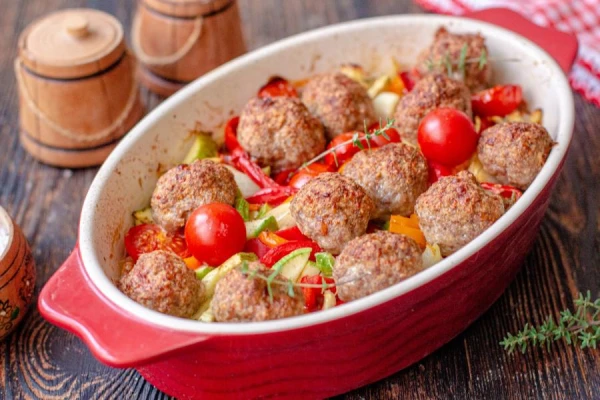
* instead of bread in cutlets.
Fresh and high-quality amaranth flour should have a pleasant nutty aroma.
It is important to remember that amaranth flour differs from wheat flour in its culinary properties: it contains very little gluten, so dough made using a traditional recipe may behave unpredictably.
If you do not have gluten intolerance, when baking bread and pastries, it is recommended to mix amaranth flour with first or highest grade wheat flour in a ratio of 1:2. This will make the products fluffy, airy, and porous, with an elastic crumb. If you have celiac disease, you will need special gluten-free recipes where the absence of gluten is compensated by other ingredients and special cooking methods.
For making cutlets, syrniki, sauces, and other dishes where flour is an additional ingredient, you can use the classic recipe, replacing wheat flour with amaranth flour.
Waffles made with amaranth flour turn out crispier and harder than those made with wheat flour, while fritters are less fluffy but have a delicate nutty flavor. Pancakes can behave capriciously, especially if the pan is not good enough: without experience, they may stick to the cooking surface.
Protein Smoothie with Amaranth Flour
Take 1 tablespoon of amaranth flour without a heap and mix it with 1 cup of milk, bring it to the first stage of boiling in a saucepan, and turn it off. When the drink cools, blend it in a blender with your favorite berries (raspberries, strawberries, cherries) or fruits (banana, pear, apple). Optionally, add vanilla or cinnamon, as well as a spoonful of honey. Your carbohydrate-protein cocktail is ready.
Syrniki with Amaranth Flour
Take 1 pack of low-fat cottage cheese (200 g), 1 egg, and 3–4 tablespoons of amaranth flour. Mix until you obtain a homogeneous mass. The amount of flour can be adjusted depending on the desired density of the syrniki (the more flour, the denser they are). For a light sweetness, add 1–2 teaspoons of sugar or half a mashed banana. If you are using a banana, you can exclude the egg from the recipe (bananas bind the ingredients of the dough well). Bake for 20–25 minutes in an oven preheated to 160 degrees.
Recipe for Energy Cookies with Amaranth Flour
Ingredients:
Amaranth flour — 50 g;
Egg — 1 pc;
Ground cinnamon — 10 g;
Whole oats — 150 g;
Vanilla — 10 g;
Dried fruits or nuts — 50 g;
Plant-based milk.
Mix the dry ingredients, add milk, knead thoroughly, and let the mixture sit for 20-25 minutes. When the oats swell, add the beaten egg and nuts (or dried fruits). Distribute the dough into molds. Bake the cookies for 20 minutes in an oven preheated to 190 degrees.
Harm and Contraindications
Amaranth flour has contraindications. Since it contains oxalic acid, it should not be consumed by people with diseases of the urinary system and kidneys. Caution should be exercised with food made from this flour for those suffering from gallstones or pancreatitis.













Leave a comment