According to analysts at S&P Global Energy and Goldman Sachs, global oil reserves decreased by a record 200 million barrels in April, despite falling demand due to rising raw material prices caused by the US war against Iran.
Due to the war between the US and Israel against Iran, global oil reserves decreased by a record 200 million barrels by the end of April. This was reported on Wednesday, May 6, by the British newspaper Financial Times, citing data from analysts at S&P Global Energy and Goldman Sachs, writes DW.
According to S&P's calculations, oil volumes fell by 6.6 million barrels per day last month, despite a decrease in demand. It plummeted by 5 million barrels per day - the second largest drop in the history of observations. Demand for oil only fell more sharply during the coronavirus pandemic.
Analysts at Goldman Sachs agree with this assessment. They point out that global oil reserves are approaching their lowest level in the last eight years. In Northern Europe, according to Argus, aviation fuel stocks fell to a six-year low in April.
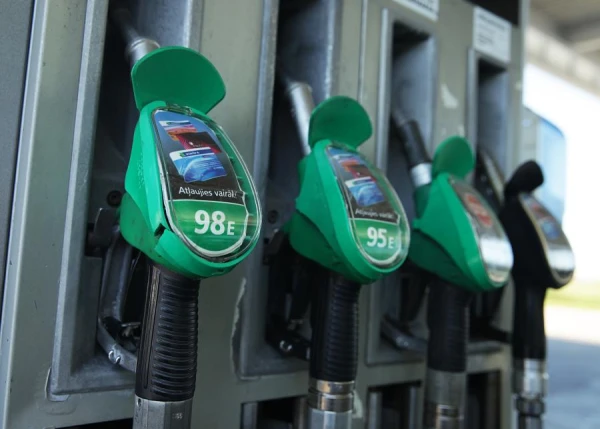
And although the main effect has so far been felt primarily by Asian countries, in the US, gasoline stocks could reach historically low levels during the peak vacation season in the summer, notes the Financial Times.
Expert: Price Increases for Oil Are Yet to Come
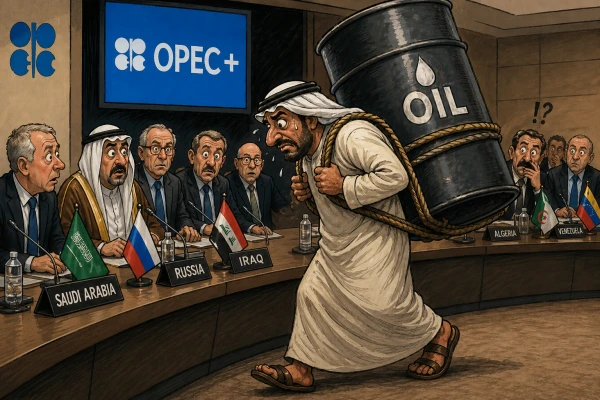
Due to the war in the Middle East and the blockade of the Strait of Hormuz, the oil market has already missed out on 1 billion barrels of oil. Traders warn that global reserves are approaching a critical threshold that could be reached in just a few weeks, writes the Financial Times.
"This is a massive scale, significantly exceeding the usual range," quotes the publication the head of oil market research at S&P Global Energy, Jim Burkhard. According to him, the market has not yet reacted to the record pace of reserve depletion, so "price increases for oil are yet to come."
As the Financial Times explains, total global oil reserves are estimated at about 4 billion barrels. However, most of this volume is engaged in everyday operations necessary to maintain the operation of refineries and pipelines through which raw materials are transported.