
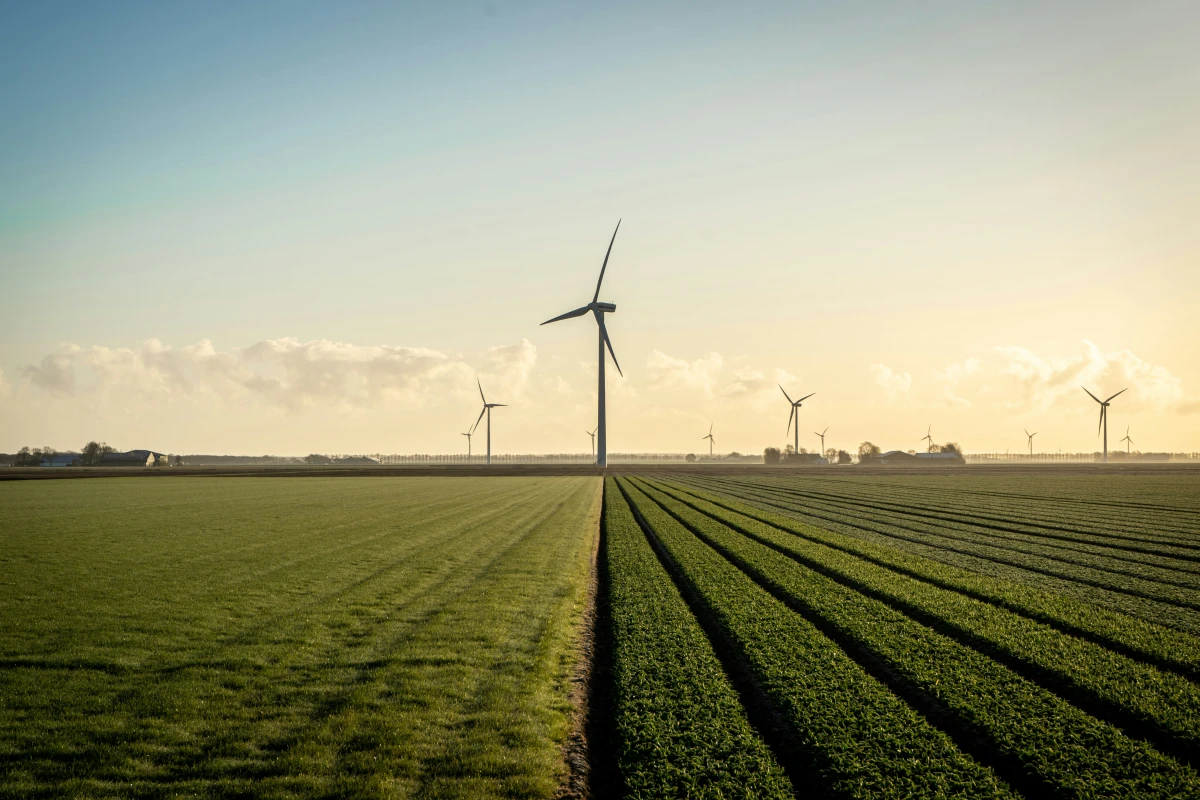
Almost a third of the electricity consumed in the Baltic region in April was generated from wind energy, about one-fifth from solar energy, and another fifth from Latvian hydropower.
In the structure of electricity production in the Baltic countries, Estonia accounted for almost 18% of all wind energy produced in the region and just over one-fifth of solar energy. Almost all the remaining wind energy in the Baltics was produced in Lithuania, which accounted for about 78%. Notably, wind and solar energy production in April covered 83% of Lithuania's own consumption.
According to experts, price trends in the Baltic countries resemble a "roller coaster." In winter, renewable energy production is insufficient to meet high demand driven by the heating season. The missing electricity is produced from fossil sources, pushing prices up. In summer, however, electricity production can exceed local demand, which lowers prices to the point where electricity begins to be exported.
Spring and autumn are transitional periods between these two extremes: temperatures are mild enough, heating needs are lower, but the combined production of wind and solar energy has not yet reached the level of summer overproduction. As a result, prices become more moderate and stable.
Analysts say this pattern illustrates how sensitive the electricity market is to changes in key factors. As the Baltic region still lacks flexible resources such as battery storage or efficient gas generation capacities, such seasonal price fluctuations are likely to persist for some time. More low-cost solar energy, with geographical coverage significantly broader than in previous years, is expected to influence electricity prices throughout the region.





Leave a comment