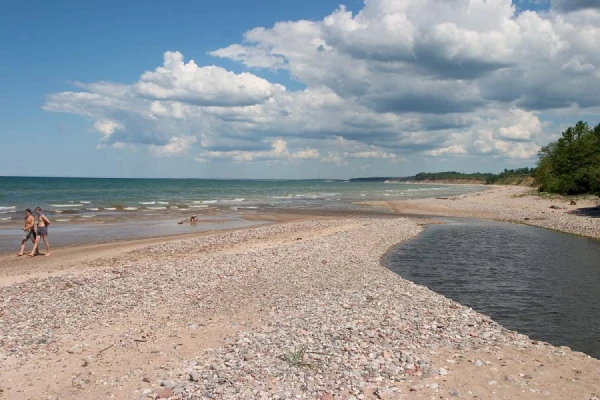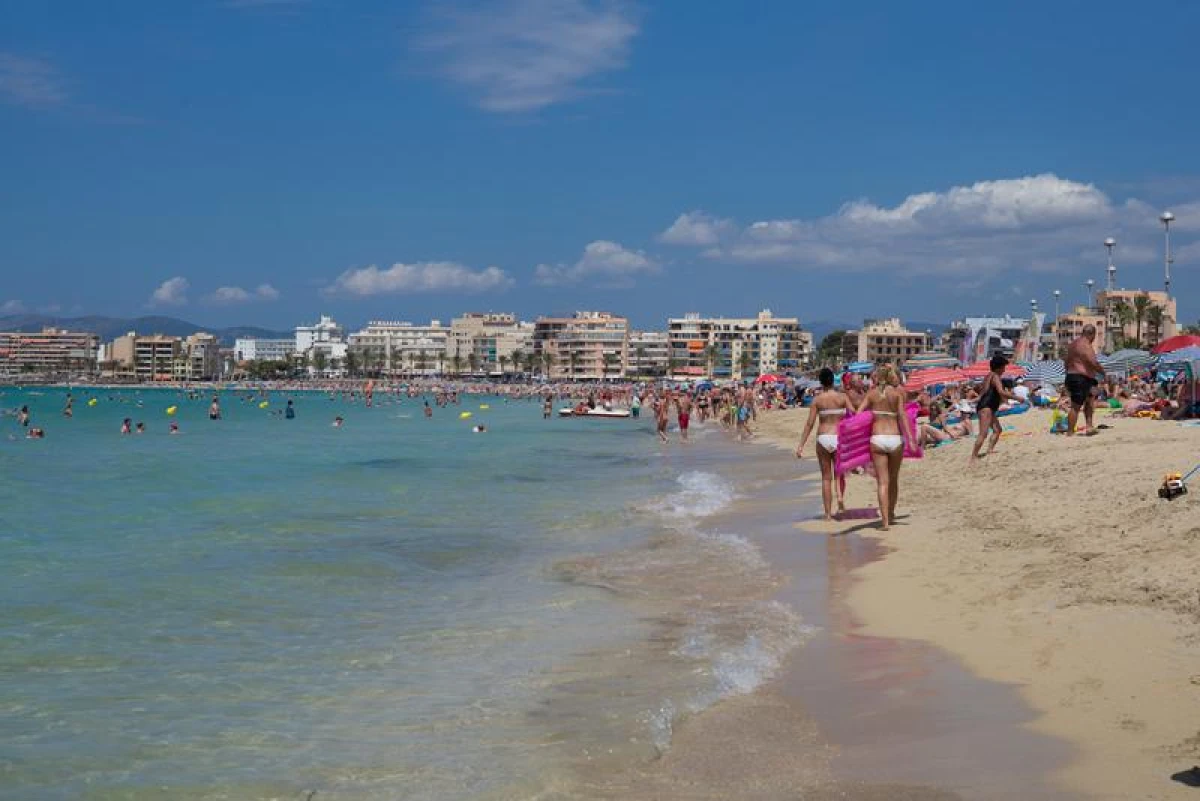
Summer begins with millions of tourists by the sea, but due to climate change, outbreaks of Vibrio bacteria, 'flesh-eating,' have already led to the closure of several beaches in Spain and raised concerns, primarily in the Mediterranean.
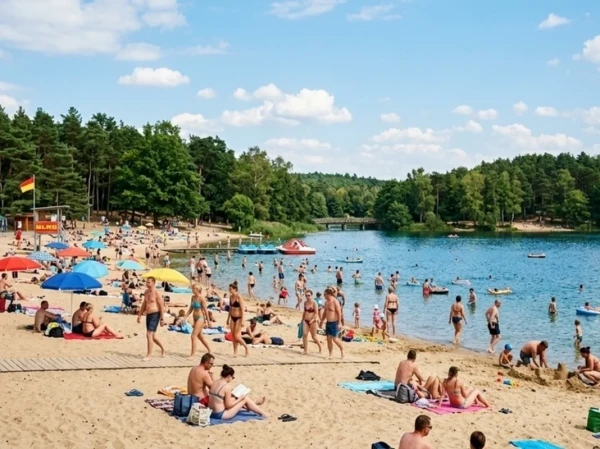
Now that summer has officially begun, millions of tourists are eagerly awaiting their vacations to head to the coast and enjoy the beach. However, this year, a long shadow hangs over the tourism industry due to the spread of bacteria in the sea, which has already led to the closure of several beaches in Spain.
In recent years, cases of contamination and health warnings have been reported at various points along the European coast, leading to restrictions on access to the sea amid increasingly warm sea water and growing tourist pressure.
"The Mediterranean is showing us what a hotter world means," says project analyst for climate action and energy sustainability at the Union for the Mediterranean, Khatim Aznag, in a comment to Euronews. "Countries sharing this sea can still choose a path of joint solutions."
The Threat of 'Flesh-Eating Bacteria'
Particular concern is raised by the bacterium Vibrio, commonly known as the "flesh-eating bacteria." This aquatic microorganism naturally inhabits marine and brackish waters, especially in areas where rivers flow into the sea. According to the European Food Safety Authority (EFSA), "Vibrio is an aquatic bacterium that can be found in seafood," and some of its strains can cause both gastroenteritis and severe, even fatal, infections.
Among the most significant species for Europe are Vibrio vulnificus, Vibrio parahaemolyticus, and certain variants of Vibrio cholerae. EFSA warns that these bacteria can lead to infections when consuming raw seafood or when open wounds come into contact with water.
"The Vibrio bacterium is a close relative of the cholera pathogen, although both microorganisms cause very different diseases," explains the organization Gavi. "In severe cases, the infection can lead to necrotizing fasciitis, where the tissue around the wound rapidly deteriorates. The bacterium can also enter the bloodstream, causing sepsis, and in some cases, patients require amputation of the affected limb."
Additionally, the European Centre for Disease Prevention and Control (ECDC) has warned of an "increased risk of Vibrio infections throughout the summer season," especially during heatwaves, as expected in Europe this June, as well as in shallow coastal waters. The risk lies not only in the threat to health but also in its impact on ecology: these bacteria thrive in conditions where the natural balance of the marine ecosystem is disrupted.
The Mediterranean Sea - A 'Harbinger' of Climate Change
This phenomenon is particularly noticeable in the Mediterranean Sea, which scientists call one of the most vulnerable regions to global warming. Aznag, an expert in climate and energy policy, emphasizes that this is not an isolated episode but a structural problem. "It is important to understand that the Mediterranean Sea is not a victim of climate change, but its harbinger. It is one of the fastest-warming seas on the planet."
The analyst notes that rising water temperatures, combined with pollution and decreasing salinity in coastal areas, create ideal conditions for the spread of pathogens. "Warmer water, especially less salty water—at river mouths, in lagoons separated by them—becomes a more favorable environment for pathogenic bacteria."
Recent reports, particularly the EFSA report, warn that "an increase in the prevalence of Vibrio in seafood is expected both globally and in Europe due to climate change," especially in low-salinity waters and estuaries. The Mediterranean Sea, with high tourist pressure and rapid warming, is becoming a key arena for this biological transformation.
Economic Impact Directly Hitting Tourism
In addition to the health threat, the spread of Vibrio carries direct economic consequences. Aznag puts it very clearly: "On our shores, the coast is not part of the economy; it is the economy!"
The closure of beaches or the declaration of health warnings in the height of the season directly impacts one of the most important drivers of the European economy—beach tourism. "A closed beach is a climate impact with an attached bill," emphasizes the analyst, also warning about the cost of "reputation, which takes years to restore."