
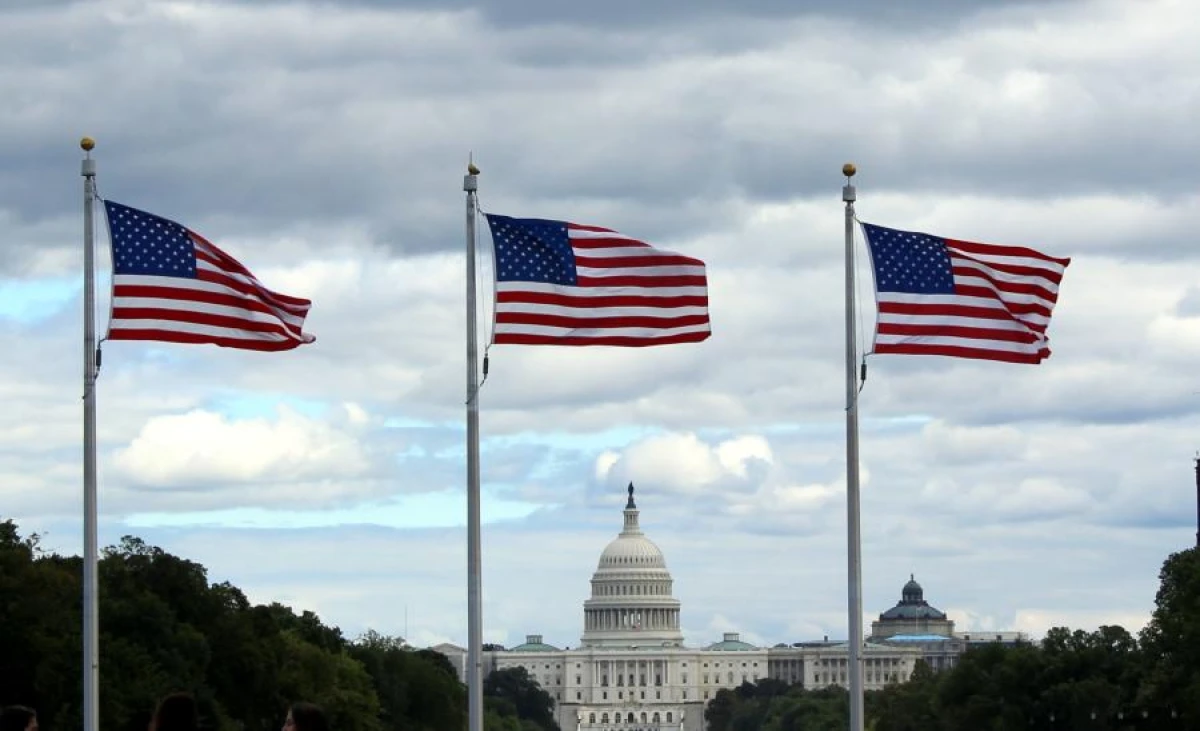
The U.S. Senate supported a resolution previously passed by the House of Representatives that calls for Trump to withdraw American troops from the combat zone with Iran. The White House believes that such a resolution has no legal force.
The U.S. Senate supported a resolution previously passed by the House of Representatives that calls for the cessation of military actions against Iran. This was reported by Reuters on Tuesday, June 23.
The resolution was approved by a vote of 50 to 48. The voting demonstrated growing concern among Republicans regarding the ongoing war between the U.S. and Israel against Iran, which has been ongoing since late February 2026, Reuters writes.
The text of the resolution stipulates that U.S. President Donald Trump must withdraw American armed forces from the combat zone with Iran or against it. However, the agency emphasizes that the document is primarily symbolic: while Trump cannot veto it, such a resolution does not have binding legal force.
According to the Democratic senators who initiated the vote on the resolution, the U.S. Congress must clearly signal that the resumption of hostilities should not occur without its consent.
The White House does not consider the passage of the resolution a success for the Democrats
According to CNN, the Trump administration described the vote on the resolution as inconsequential and explained its success by the absence of some Republican senators during the session. The White House also noted that "there are no hostilities from which American troops could be withdrawn, as combat operations ended with a ceasefire on April 17."
Despite the ceasefire between the U.S. and Iran, both sides continued to exchange strikes. In mid-June 2026, Washington and Tehran signed a two-month memorandum of understanding that calls for the cessation of military actions on all fronts, including Lebanon, the lifting of sanctions on Tehran, and the establishment of a fund for the reconstruction of Iran.
Negotiations for a peace agreement between Washington and Tehran are ongoing. The day before, Trump stated that the parties had already reached separate agreements on nuclear control, sanctions, and shipping in the Strait of Hormuz. According to the U.S. president, the authorities of the Islamic Republic agreed to allow international inspections of their nuclear facilities, which enabled the continuation of the negotiation process.












Leave a comment