
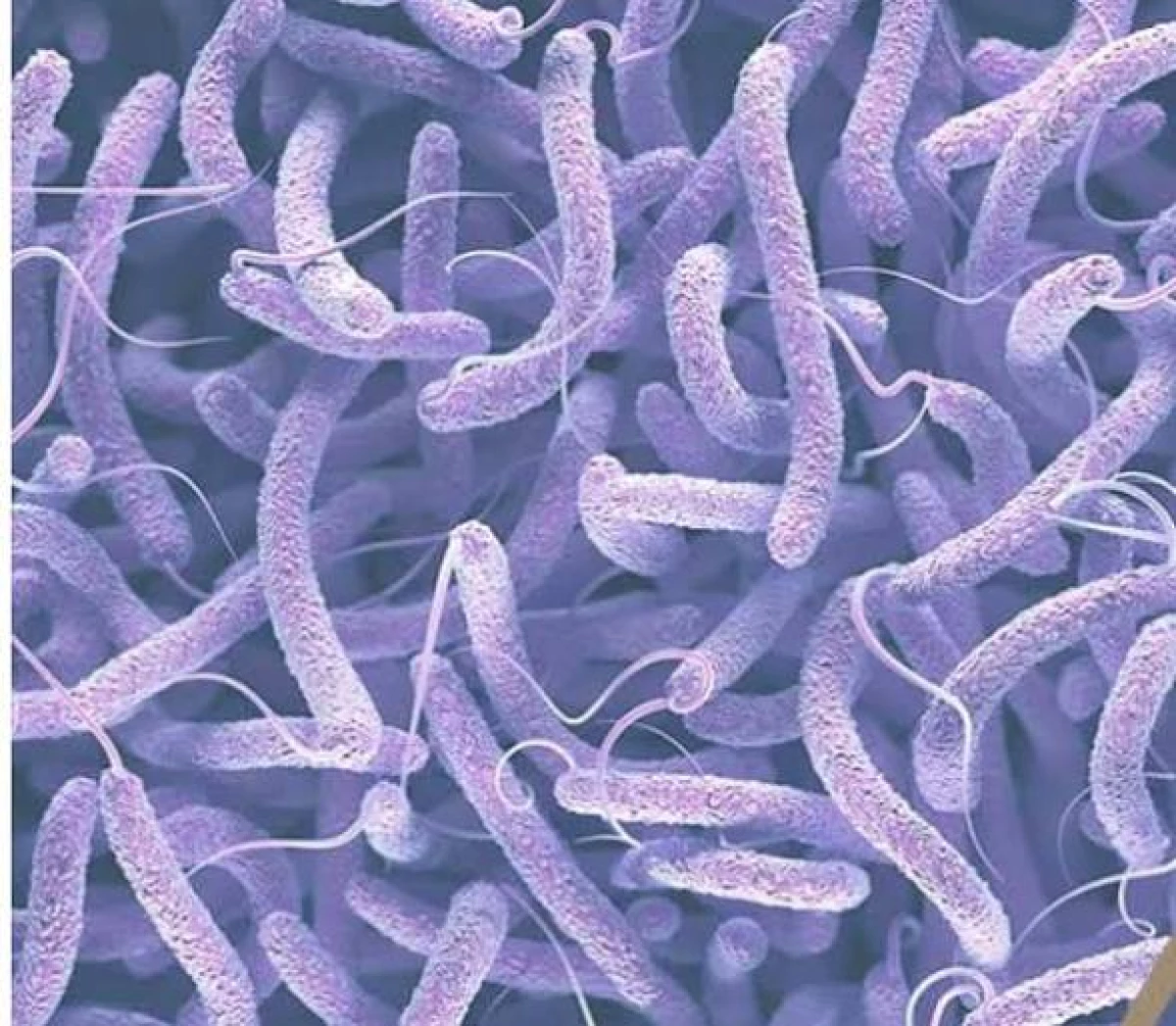
The infection can enter the body by swallowing contaminated water while swimming or through open wounds and skin injuries.
In Spain, beaches are being closed due to bacteria, including the flesh-eating Vibrio, which is spreading in the Mediterranean Sea against the backdrop of climate change. The Vibrio bacteria, known as 'flesh-eating', inhabit marine and brackish waters. Some of its strains can cause gastroenteritis, as well as severe infections that can be fatal. Bacteria are particularly often found in areas where rivers flow into the sea.
According to Euronews, several beaches in Spain have already been closed to visitors due to the spread of Vibrio and other bacteria. Official health authorities in Spain have not disclosed which specific beaches have been affected.
"Bacteria are not the story itself; they are merely its messengers. The story is the sea, thrown out of balance by heat and pollution," notes climate protection expert Hatim Aznag. According to him, the rise in water temperature combined with pollution and reduced salinity in coastal areas creates ideal conditions for the spread of pathogens.
Most people become infected with the flesh-eating bacteria through food by eating raw oysters, mussels, or other seafood. The infection can also enter the body by swallowing contaminated water while swimming or through open wounds and skin injuries. Vibrio is not transmitted from person to person.














Leave a comment