
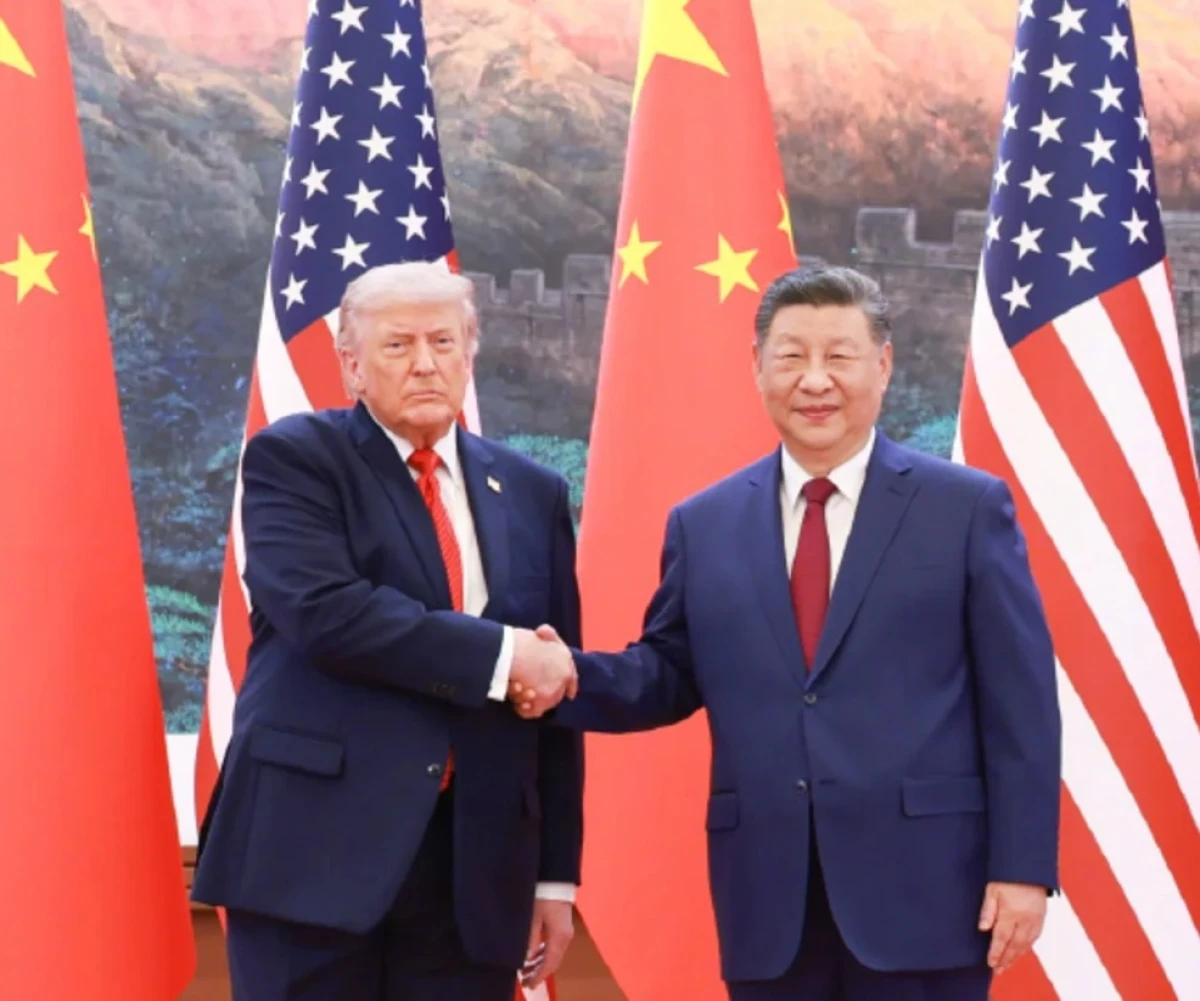
Negotiations between Donald Trump and Xi Jinping have begun in Beijing, closely watched by the entire world. Against the backdrop of tensions surrounding Taiwan, trade disputes, and the conflict over Iran, the leaders of the US and China are trying to find common ground — while simultaneously demonstrating political strength.
In Beijing, one of the most anticipated international summits of the year has begun — negotiations between US President Donald Trump and Chinese President Xi Jinping.
Over the course of two days, the parties plan to discuss key issues of global politics and economics: trade relations between the two largest economies in the world, the situation around Taiwan, conflicts in the Middle East, and the ongoing rivalry between the US and China.
Symbolic visit to the Temple of Heaven
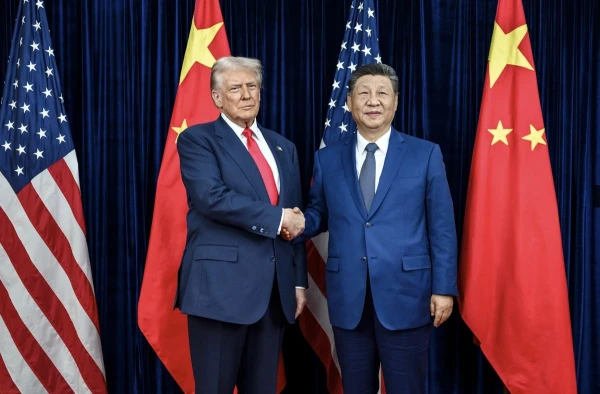
The first official meeting took place in the Great Hall of the People in the center of the Chinese capital. Chinese state media published footage of the leaders' handshake against the backdrop of American and Chinese flags.
According to CCTV, the negotiations lasted more than two hours.
After the meeting, Trump briefly commented on the results of his communication with Xi Jinping.
"Everything is great," the American president told reporters during a visit to the Temple of Heaven in Beijing. He also called China a "wonderful country," and the Temple of Heaven an "incredible place."
The symbolic part of the visit attracted special attention, as after the official negotiations, the leaders went to the Temple of Heaven — one of the main historical symbols of China and a UNESCO World Heritage site.
In Chinese diplomacy, such gestures are rarely accidental. Analysts believe that Beijing is emphasizing the special status of the negotiations and its desire to present an image of a stable and strong state with a millennia-old history.
After the cultural program, the parties took a pause before the evening official banquet.
Along with Trump, heads of the largest US companies arrived in Beijing
The composition of the American delegation also generated significant interest. Along with Trump, the heads of the largest American corporations and financial companies arrived in China.
Among the participants of the trip are Elon Musk, Nvidia CEO Jensen Huang, Apple CEO Tim Cook, as well as representatives from Boeing, BlackRock, Blackstone, Citi, and Goldman Sachs.
Xi Jinping separately met with representatives of American business and stated that China intends to "open its doors wider" for cooperation with the US.
Trump, for his part, emphasized that he brought to Beijing "only the best" representatives of American business.
Experts believe that the participation of the largest businessmen is an important signal: despite political rivalry, both sides are interested in maintaining economic ties.
Taiwan has again become one of the main topics of negotiations
One of the most sensitive topics of the negotiations has once again become Taiwan.
Against the backdrop of the summit, Taipei stated that China remains "the only source of instability" in the Taiwan Strait and the Indo-Pacific region.
Beijing, on the contrary, reaffirmed that it considers Taiwan a part of China and does not rule out the use of force to establish control over the island.
According to Chinese media, Xi Jinping called Taiwan "the most important issue in Chinese-American relations" and warned of the risk of a "very dangerous situation" if the wrong approach is taken to this topic.
The US, meanwhile, continues to adhere to a policy of strategic ambiguity — Washington avoids a direct answer to the question of whether the American military will defend Taiwan in the event of a military conflict.
There were no women at the negotiating table
Journalists also noted another detail of the meeting: there were almost no women at the negotiating table.
Neither in the American nor in the Chinese delegation were women observed among the main participants of the negotiations.
In China, women are still almost absent from the highest leadership of the country — there is not a single woman in the current composition of the Politburo of the Communist Party of China.
In Trump's administration, the number of women has also decreased after a series of personnel changes, although Suzy Wiles remains the chief of staff — the first woman in this position.
The negotiations in Beijing demonstrate that even against the backdrop of global rivalry, the US and China are trying to maintain channels of dialogue — primarily in economics and global security issues.
"It's an honor to be with you, it's an honor to be your friend, and the relationship between China and the USA is going to be better than ever before." - President Donald J. Trump 🇺🇸 pic.twitter.com/WZkoGeVqhv
— The White House (@WhiteHouse) May 14, 2026












Leave a comment