
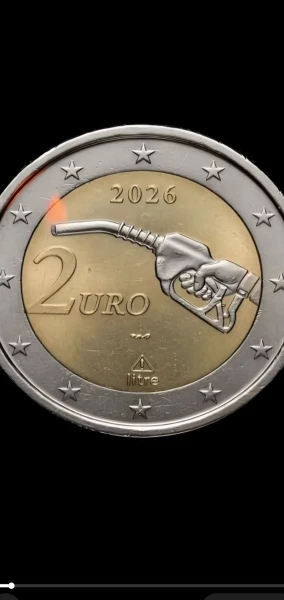
Since the beginning of the American-Israeli war with Iran, there has been a particularly noticeable increase in gasoline prices in European countries. Governments are trying to find optimal ways to respond.
Since the beginning of the American-Israeli war with Iran, there has been a particularly noticeable increase in gasoline prices in European countries.
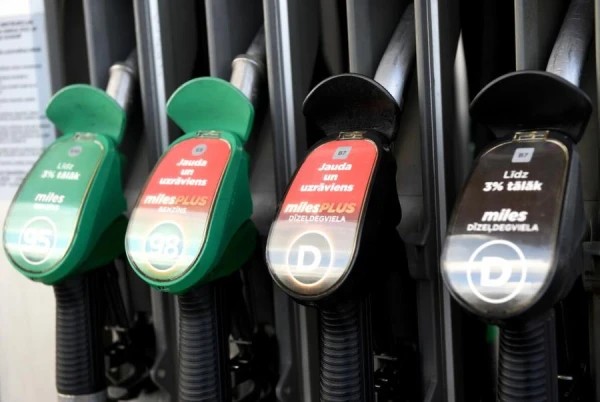
Unleaded gasoline Euro-Super 95 has risen the most in Germany and Austria from February 23 to March 9, according to data from the European Commission's Weekly Oil Bulletin.
In Germany, during these weeks, gasoline prices increased from €1.82 per liter to €2.07, or nearly 14%. In neighboring Austria, gasoline prices rose from €1.51 to €1.71 per liter, which is about 13%.
Finland also reported a noticeable increase: prices here rose from €1.71 to €1.93 per liter. Notably, this trend was observed even before the American-Israeli strikes on Iran on February 28.
More modest price increases were noted in Estonia, Poland, and Spain. Overall, across the European Union, gasoline prices increased from €1.64 to €1.77 per liter, or about 8%, according to the European Commission's data.
Prices are Rising
Fuel prices in Europe are tied to the price of Brent crude oil, which sharply increased in late February and early March amid escalating conflict.
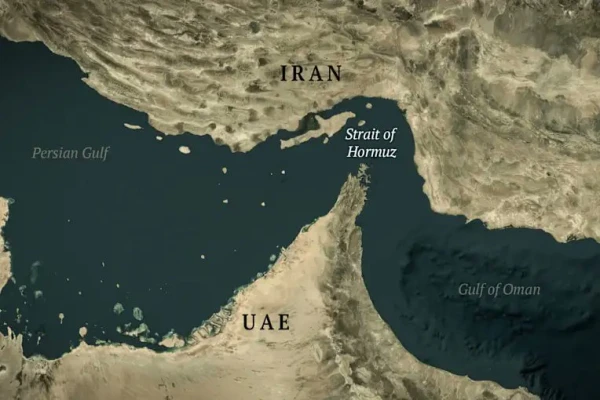
Events in Iran, specifically the partial closure of the Strait of Hormuz, located between the Persian and Oman Gulfs, are already leading to increased retail gasoline prices in Europe.
Weekly fluctuations in Euro-Super 95 are usually small, amounting to no more than 1%. A comparison of prices before and after the escalation of the conflict shows that in several European countries, the increase has sharply intensified.
For example, in Germany, prices were generally stable for several weeks before the conflict began, and then sharply climbed at the beginning of March.
According to a study by the Transport and Environment analytical center, which focuses on the development of environmentally friendly transport in Europe, motorists may ultimately pay for gasoline as much as they last did in 2022, when Russia's invasion of Ukraine disrupted global markets and led to price increases.
The analytical center estimates that if oil prices exceed $100 (€87) per barrel, European motorists will end up paying an additional €150 million per day.
Governments are Responding
German Economy Minister Katja Eichinger has submitted a bill to parliament aimed at regulating price increases.
Following Austria's example, Berlin has established that gas stations can raise prices only once a day, at 12:00 PM. However, price reductions are still allowed. The new measure has not yet come into effect, as Germany must amend its antitrust legislation for this.
Austria has further tightened the rules, allowing operators to raise fuel prices only three times a week, while price reductions can occur at any time.
On Monday, Hungary announced that gasoline prices would be capped only for cars with Hungarian license plates, in an attempt to prevent drivers from other countries from crossing the border to take advantage of cheaper gasoline.
By March 9, prices in Hungary reached €1.50 per liter. Prime Minister Viktor Orbán announced that the cap would be set at 595 forints or between €1.50 and €1.52 per liter.






Leave a comment