
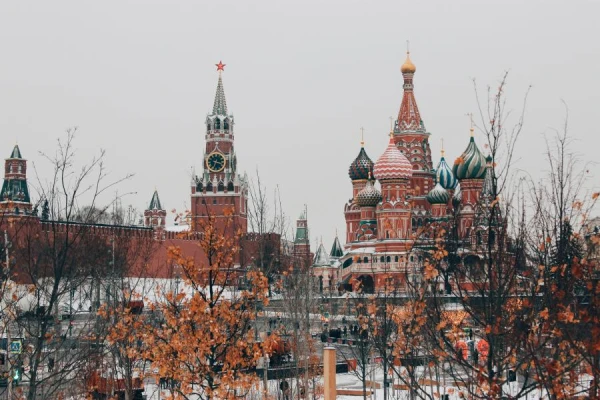
According to sources, Moscow intends to push for changes to the document presented by Kyiv and formulate counter-demands. At the same time, Russia is also not ready to completely reject the plan, DW reports.
The Kremlin has not accepted the revised 20-point peace plan previously presented by Ukrainian President Volodymyr Zelensky and intends to insist on its modification, Bloomberg reported on Wednesday, December 24, citing a source close to the Russian leadership.
According to the agency's interlocutor, the document is viewed in Moscow as a "starting point" for further negotiations; however, it lacks several provisions and does not address many issues that the Russian side considers fundamental. In particular, the Kremlin intends to push for stricter limitations on the Ukrainian armed forces.
Russia's Claims
The source claims that Russia demands guarantees against further NATO expansion to the east, as well as the enshrinement of Ukraine's neutral status in the event of its accession to the European Union. In the presented draft, he said, only Ukraine's non-nuclear status is mentioned.
Moscow is also dissatisfied with the proposed limitations on the post-war size of the Ukrainian Armed Forces. According to the draft, the limit is set at 800,000 servicemen in peacetime, which the Kremlin considers too lenient. Additionally, Russia insists on clear guarantees regarding the status of the Russian language in Ukraine, as well as clarification on the issue of lifting sanctions and the fate of Russian assets frozen in the West.
Kremlin's Position and Contacts with the U.S.
Despite the criticism of the document, Russian authorities do not intend to completely reject it. As Bloomberg notes, Moscow does not want to escalate relations with U.S. President Donald Trump and states its readiness to consider the proposals "with a cool head."
On Wednesday, Kremlin spokesman Dmitry Peskov reported that Russian President Vladimir Putin is informed about the details of negotiations with the U.S. regarding the peace plan following a meeting of Russian and American delegations in Miami. "All the main parameters of the Russian side's position are well known to our colleagues in the United States. The current task is to formulate a further position and continue contacts as soon as possible," Peskov stated.
Content of the Plan and Disagreements Between the Parties
On December 24, Volodymyr Zelensky presented all 20 points of the plan to end the war with Russia. The document provides for the conclusion of a non-aggression agreement between Moscow and Kyiv with international monitoring of the line of contact, as well as providing Ukraine with security guarantees from the U.S., NATO, and European countries based on Article 5 of the North Atlantic Alliance's Charter.
Additionally, the draft mentions the need for legislative enshrinement by Russia of a non-aggression policy towards Ukraine and Europe. At the same time, the agreement clearly affirms Ukraine's sovereignty.
Territorial Issue
One of the key issues—the territorial one—remains unresolved. According to Kyiv's proposal, Russia must withdraw its troops from Dnipropetrovsk, Mykolaiv, Sumy, and Kharkiv regions. In Donetsk, Luhansk, Zaporizhzhia, and Kherson regions, it is proposed to fix the current line of contact based on the principle of "we stand where we stand."
Moscow, for its part, demands the withdrawal of the Ukrainian Armed Forces from the Donetsk region. The U.S. proposes a compromise option in the form of creating a free economic zone. According to the draft, such an option is only possible after a referendum in Ukraine, which should address the entire package of agreements.




Leave a comment