A recent report by the New York Times describes an unprecedented rise in interest in Orthodoxy among Americans.
Orthodox Christians make up about 1% of the population in the U.S., but their numbers are now growing across the country, mainly due to conservative young men. The NYT notes that "something is changing in this quiet corner of Christianity in the U.S., which has remained virtually unchanged over time."
Conversion to Orthodoxy Among Americans
Clergy across the country are noting a "record number of parishioners" and acknowledge that "the number of new people wanting to join is more than the existing priests can handle on their own." Previously, Orthodox parishes in the U.S. were primarily attended by immigrants from Greece, Ukraine, and other countries, and their children often converted to other denominations.
Today, a local movement is forming, largely thanks to popular bloggers and YouTube personalities, prompting critics to label the new parishioners as "Orthobros."
Andrew Damick, the pastor of an Antiochian Orthodox Church, describes the influx of "large groups of young people into numerous parishes" as unprecedented, noting: "For everyone, this is new territory."
The Appeal of Orthodoxy for Conservative Young Men
New parishioners, especially conservative young men, are attracted to the more rigorous and demanding way of Christian life. They see in Orthodoxy "hard truths" and an opportunity to strengthen male identity.
Key aspects attracting new men include:
- Masculine atmosphere and structure: Many note that Orthodoxy "feels more masculine" than other Christian traditions. Priests are men, can marry, often have large families and beards. The tradition emphasizes ascetic discipline rather than contemporary music or therapeutic sermons.
- Strict truths and discipline: New parishioners seek rigor and guidance. One parishioner, Josh Elkins (20), noted: "The Orthodox Church is the only one where men are really taught and told, 'Here’s what you need to do.'"
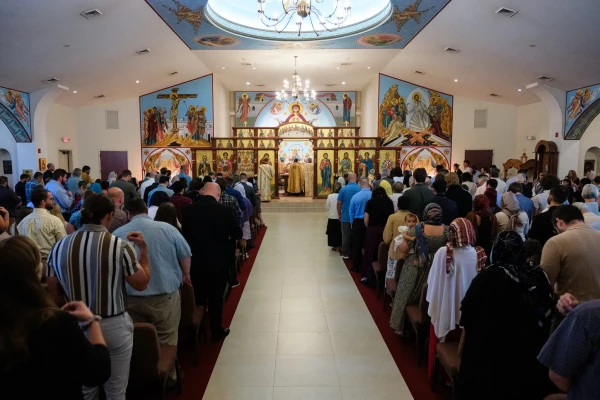
- Seriousness of worship: Lengthy and strict liturgies, standing during services, singing, incense, veneration of icons, and strict fasting impress new parishioners, unfamiliar to most Americans.
- Sense of purpose: Many connect spiritual searching with a need for meaning in life. Parishioner Larik Coops Jr. (28) describes Orthodoxy as "a territory of exploration," while Jerod Stein (26) says: "Young men need meaning... society tells them, 'We don’t need you.'"
Statistical and Cultural Changes
This trend contradicts the common belief that youth are becoming less religious. According to data from the Pew Research Center, over 60% of Orthodox Christians in the U.S. are men (compared to 46% among evangelicals). Additionally, Orthodox communities are younger: 24% of adult parishioners are under 30 years old.
The energy of young men in the Orthodox Church in the U.S. reflects a broader trend - attraction to a more traditional and structured Christian practice. A similar phenomenon is observed in the Catholic Church, where a significant portion of youth prefer the Traditional Latin Mass and parishes where women wear veils.