

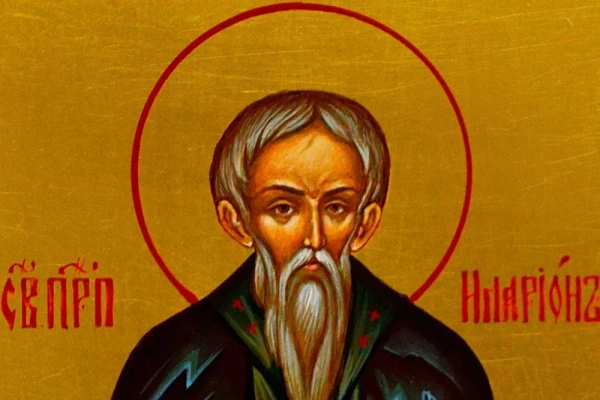
On February 2, the Orthodox Church commemorates Saint Euphemia. He was renowned as a healer with knowledge of treating people and the founder of a monastic community. In the folk calendar, this day is called Yefimov Day. In earlier times, loaves of bread were baked and unnecessary items were discarded during this period.
On February 2, Orthodox churches commemorate Saint Euphemia, who is known as the founder of a monastic community and a healer. The saint, who lived at the turn of the 4th and 5th centuries, possessed the art of healing from serious ailments. He helped people both physically and spiritually. When the time came to leave this world, he was buried in the monastery he founded.
Folk Calendar: Yefimov Day
The holiday dedicated to Saint Euphemia was popularly called Yefimov Day, Winter Euphemia, Blizzard Day, Snow Day, and simply – Yefim. This day usually fell during the coldest period of winter.
On February 2 (January 20 in the old style), our ancestors predicted the weather for February and the Maslenitsa week (in 2024, it will begin on March 11 and end on the 17th).
Yefimov Day: What Needs to Be Done
On Yefimov Day, our ancestors celebrated weddings. Young people specifically postponed their wedding ceremonies to hold them on this day. Unions formed on Yefimov Day were considered strong and reliable.
This day was regarded as one of the most favorable for all romantic endeavors. Young men sent matchmakers to their beloveds, while others hurried to meet a girl they liked.
To ensure health in the family, on Yefimov Day, women baked loaves of bread and distributed pieces of the baked goods to household members and relatives. To ensure abundance, they tidied up and got rid of unnecessary items in the morning.
Additionally, on Yefimov Day, people visited the bathhouse. It was believed that water and steam worked wonders on this day, and no illness could withstand such a procedure.
There was another tradition related to the cuckoo. At this time, the birds began to call. Therefore, as soon as people heard the cuckoo, they grabbed their wallets and jingled coins. The more ringing and noise, the more money would be in the family.
Yefimov Day: Folk Omens
In ancient times, it was known that if a blizzard was blowing on Yefimov Day, it would continue into spring. “Sweeping with a broom – and for Maslenitsa,” people would say.
If the sun shone at noon on Yefimov Day, ancestors understood that the summer would be rainy. A strong wind brought sadness, as it foretold a damp year. A cloudy day meant that there would be frosts and heavy snowfall in spring.
Some signs about the upcoming weather could also be given by animals. For example, if cats were scratching the floor, it foretold a blizzard. If bullfinches were “noisy,” one should expect frosts.
On February 2, name days are celebrated: Yefim, Zakhar, Inna, Lavrenty, Lev, Pavel, Rimma, Semyon. People celebrating their name days at this time are characterized by a peaceful nature. They are non-confrontational, able to find compromises and smooth over sharp corners. They are also hardworking and enterprising, many of them possess a creative streak.
Yefimov Day: What Not to Do
As with other church holidays, on Yefimov Day, it is forbidden to quarrel, insult each other with bad words, gossip, and envy. It is also not recommended to:
Take sharp objects – this may lead to injuries and long treatment.
Pick up someone else's money from the ground – this leads to poverty and misfortunes.
Sew, knit, or engage in other types of handicrafts – this leads to illness.









Leave a comment