
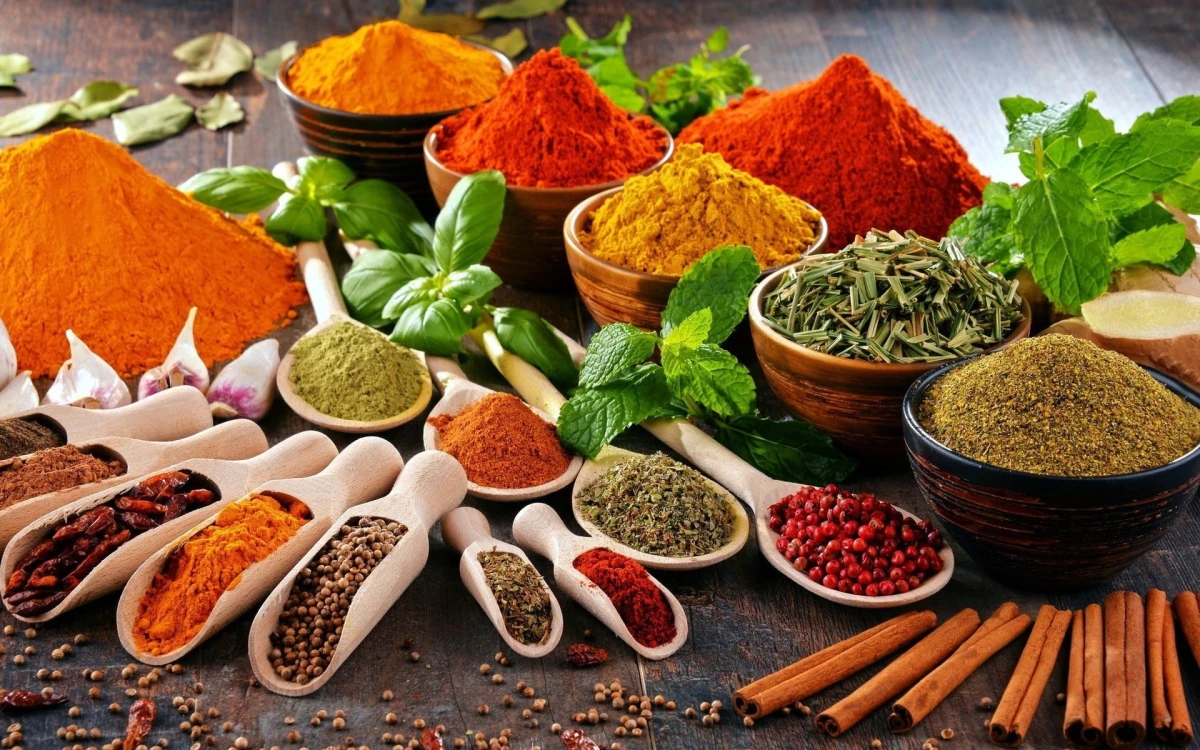
Even quality spices can become a source of dangerous substances over time. Experts warn: if stored improperly, mold fungi capable of producing toxins can develop in seasonings, which can negatively affect health.
It's hard to imagine a kitchen without spices and aromatic seasonings. However, many forget that they also have an expiration date. Jars of paprika, turmeric, or pepper often sit on shelves for years, gradually losing not only flavor and aroma but also safety.
According to dietitian Mindy Haar, one of the main dangers of old spices is related to mycotoxins — toxic substances produced by mold fungi. Aflatoxins are considered particularly dangerous.
Why Spices Can Become Dangerous
Mycotoxins often appear during the growing and drying stages of raw materials. Many spices are produced in countries with warm and humid climates, where spices are dried outdoors. In such conditions, the risk of contamination significantly increases.
The following are considered particularly vulnerable:
-
chili;
-
paprika;
-
black and red pepper;
-
ginger;
-
turmeric.
Research shows that under improper storage conditions, mold fungi can actively develop even after the product is packaged.
Experts note that it is impossible to completely eliminate some mycotoxins even after thermal treatment or additional drying.
This issue concerns not only spices. Mycotoxins can also be found in rice, nuts, dried fruits, tea, and seeds.
What Symptoms May Raise Concern
Poisoning by mycotoxins is not always easy to recognize, as its symptoms resemble those of many other diseases.
Among the possible manifestations:
-
chronic fatigue;
-
headaches;
-
decreased concentration;
-
nausea;
-
vomiting;
-
diarrhea;
-
abdominal pain;
-
skin itching.
A single exposure to a small amount of toxins usually does not cause serious consequences in a healthy person. However, prolonged exposure can negatively affect the liver, kidneys, and immune system. Some studies also link mycotoxins to an increased risk of cancer.
How to Tell When It's Time to Throw Out a Spice
Dietitians recommend getting rid of seasonings without regret if they:
-
have lost their vibrant color;
-
have acquired a musty smell;
-
have clumped together;
-
are covered with a white, pink, or black coating;
-
show any signs of mold.
Additionally, it is not recommended to store spices near the stove or in places with high humidity. It is best to keep them in airtight containers in a dark and dry cupboard.
Most ground spices should ideally be used within 6–12 months after opening the package.
Old spices can pose just as much danger as expired products. If a seasoning has changed in color, smell, or appearance, it is better not to take risks and replace it with a new one. Proper storage and regular inventory of kitchen supplies will help preserve not only the flavor of dishes but also health.















Leave a comment