
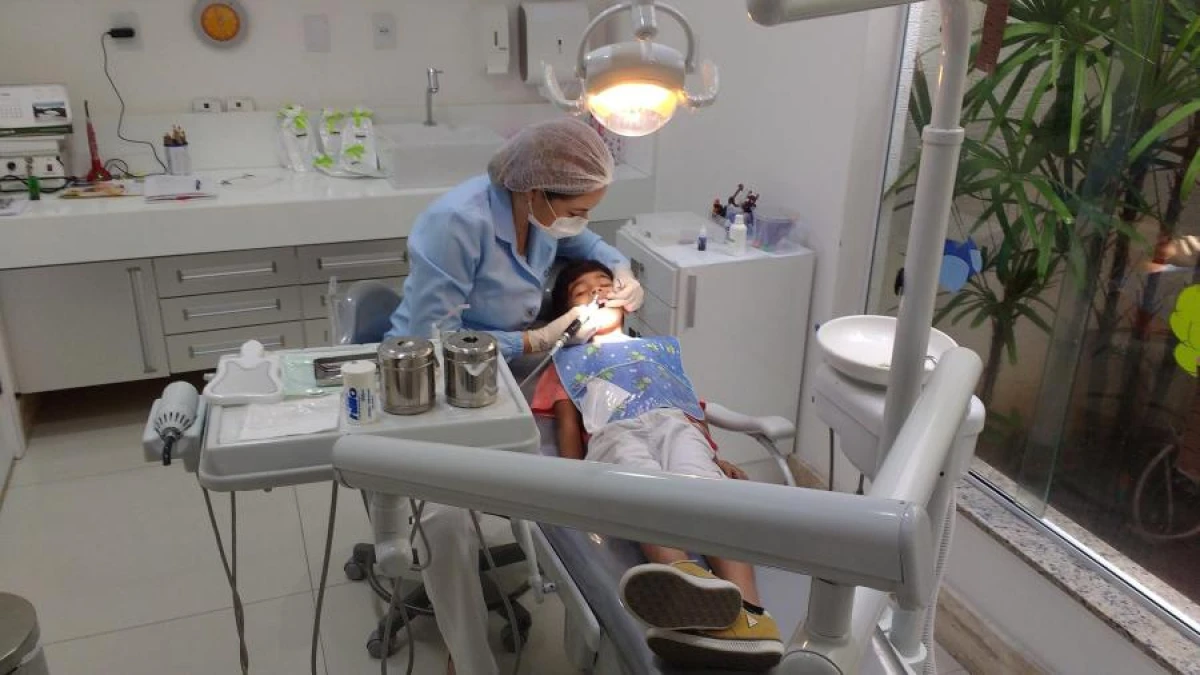
How modern dentists help children not to fear dental treatment and what parents can do.
Not all parents understand that milk teeth are just as important as permanent ones. There is a common misconception that temporary teeth do not require special care and treatment, as they are a trial regeneration. However, this is not the case: the value of temporary teeth is no less, and their change occurs only due to the growth of the jaw. Teeth, as organs, cannot increase in size, which is why nature has provided for two generations of teeth — the first for children with small jaws and the second for adolescents, when the jaws become almost the same as those of adults.
Temporary teeth have greater value than permanent ones, as they influence the formation of the functions of the dental and jaw system, such as chewing, swallowing, speech, and sensitivity. Their social role should not be underestimated either: the presence and beauty of teeth determine the freedom of communication and social activity from an early age. To instill oral hygiene habits in a child, it is important to explain as early as possible why it is necessary and to form a positive attitude towards the dentist.
What Parents Can Do
Help the Child Maintain Oral Hygiene
The main aspect of dental care is individual brushing. This should be done twice a day: in the morning after breakfast and in the evening before bed, using a children's toothbrush and toothpaste. It is important to note that children under 12 years old, and sometimes even longer, cannot independently clean their teeth of plaque. They lack awareness and skills, so parents should brush their teeth.
Set a Positive Example
Adults understand that dental treatment is not the most pleasant activity. Many people have negative experiences that can be passed on to children. Children sense their parents' fear, which can cause them to be afraid of the dentist. To reduce emotional tension, parents should visit a modern dental clinic and have a positive experience, which will help them discuss the dentist with their child more easily.
Explain What the Dentist Does and Why It Is Important
It is important to explain to the child with simple examples why teeth are needed and why they are important. The conversation should be short and simple, so that the child is left with the thought: “I want my teeth to be healthy.”
Ensure a Comfortable Introduction to the Doctor
In pediatric dentistry, there is a practice of adaptation, where parents bring the child to the doctor for an introduction. At the first appointment, the dentist does not perform any procedures but simply establishes contact with the patient and safely examines the teeth. The most that can be done is to conduct a cleaning of the teeth with a professional brush and paste. This visit should leave a positive impression.
What Depends on the Clinic
Modern standards of pediatric dentistry create comfortable conditions: a friendly atmosphere, new equipment and tools that do not look intimidating. Many clinics have televisions mounted on the ceiling, allowing children to watch cartoons during the appointment. This creates a favorable emotional background.
Quality equipment also helps to undergo treatment comfortably. For example, modern dental drills operate quietly and efficiently, reducing unpleasant sensations.
Medications are used to reduce pain sensations. Emotional comfort is an important component of pediatric treatment, so there are means to reduce tension in children. Thanks to special injectors, anesthesia is administered with minimal discomfort.
How to Change a Teenager's Attitude Towards Oral Hygiene
The puberty period is associated not only with physiological changes but also with a change in values. Teenagers often lack the awareness to understand the importance of dental health. Parents can set a personal example, which will be more effective than urging them to maintain hygiene and visit the dentist. Even if teenagers have had negative experiences with doctors, modern dentistry allows for easy changes in opinion. One visit to the dentist demonstrating new technologies can significantly change teenagers' attitudes towards treatment.















Leave a comment