

The article discusses the necessary actions for pet owners to prevent the dangerous consequences of a tick bite.
From early spring to late autumn, pets walking in dachas, parks, or on the streets can fall victim to ticks. However, it is important to remember that tick activity depends not only on the season but also on the temperature — the likelihood of their attack exists even in winter if the weather is warm and there is little snow.
It is important to detect a tick on your pet's body in a timely manner and remove it from their fur. If the tick has managed to bite, it is necessary to extract it yourself or consult a specialist at a veterinary clinic.
Veterinarian Alexander Alyasov shares recommendations on how to detect the parasite, what symptoms may indicate a tick bite, and how to properly assist the animal.
Ticks most often bite pets in spring and summer. Experienced owners know that antiparasitic treatment should be carried out regularly throughout the year. Your veterinarian can recommend effective and safe products.
Despite the fact that protected dogs are less susceptible to bites, this is not a reason to neglect checking your pet after each walk. A tick can remain on the animal's body for several days after a bite.
How to Detect a Tick
Veterinarians and experienced owners recommend inspecting the dog after each walk to notice a tick in time and provide the necessary assistance.
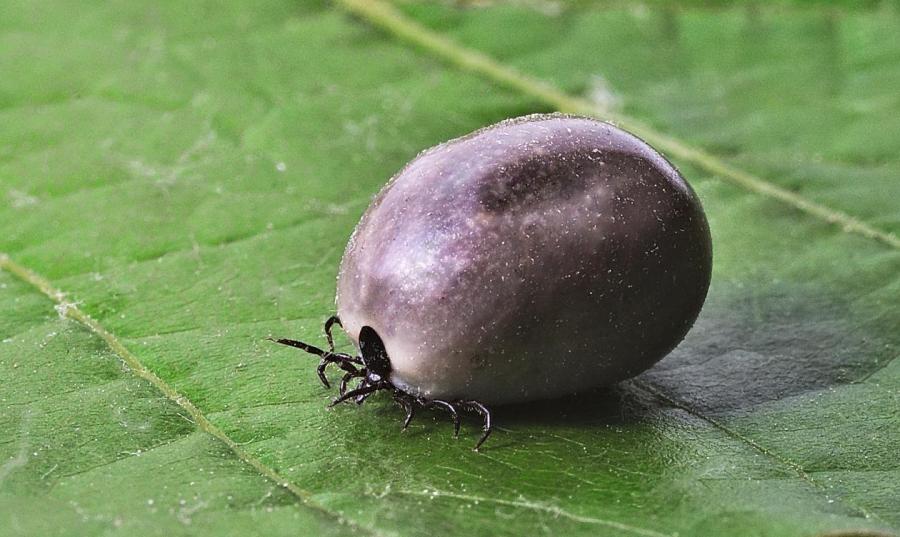
If you do not know what a tick looks like, do not worry — it can be seen even with the naked eye. The size of a tick ranges from 2-3 mm to 1 cm or more if it has fed on blood.
Part the fur in different areas of the body with a comb with fine teeth, as it is not always possible to thoroughly feel the entire surface of the body with your hands, especially if you have a fluffy pet. Pay attention to any lumps and check what they are. After the inspection, do not forget to wash your hands.
Symptoms of Diseases After a Tick Bite
After a bite, the animal may experience itching and inflammation at the bite site, so it is important to monitor the overall condition of the pet.
Regardless of whether the tick managed to attach, it is important to closely monitor the health status and any changes in the animal's behavior. The tick injects a "pain-relieving component," and the dog may not feel the bite.
A tick can also "launch" the pathogen of piroplasmosis into the pet's bloodstream. The chances of avoiding the disease are higher in a protected dog, but it is important not to lose vigilance and to inspect the dog after each walk.
What Changes May Occur:
* Weakness and general malaise;
* Apathy;
* Decreased appetite or lack of it;
* Rapid breathing;
* Paleness or yellowness of mucous membranes;
* Change in urine color;
* Increased thirst;
* Vomiting and/or diarrhea;
* Increased temperature.
There may also be other nonspecific symptoms that can manifest in the first few days or over 2-3 weeks. Note that all the listed symptoms can appear separately or in combination, as the disease progresses differently in each pet.
If you notice at least one of these symptoms, do not wait for the condition to worsen — immediately consult a veterinary clinic for diagnosis and treatment.
Even if your concerns turn out to be unfounded, it is better to be safe than to miss the time. Ignoring unusual behavior in an animal can lead to serious consequences.
How to Properly Remove a Tick Yourself
The most reliable way is to take your pet to the veterinarian for a complete examination and tick removal. If this is not possible, you can do it yourself.
There are several methods:
* Use a "tick twister" that can be purchased at a pet store or veterinary pharmacy. It is recommended to have it with you during walks.
* Pass the tick between the tool's teeth, trying to keep it close to the skin, and start twisting (in any direction) until it is completely removed. Do not pull the tool upwards to avoid leaving the tick's head in the skin.
* If you do not have a tick twister, you can use regular tweezers. Firmly grasp the tick's body as close to the skin as possible and start twisting it until it is completely removed. Be careful not to press on the back of the tick to avoid infection.
After removal, treat the bite site with iodine.
If you removed the tick outdoors, do not throw it away, but destroy it. Such a tick can be dangerous to other dogs.
Prevention Is Key to Health
Parasite prevention should become a regular practice, regardless of whether the animals live in the city or in the countryside. If there is a high risk of tick-borne diseases in your area, consult your veterinarian to select an appropriate product.
However, remember that products do not provide 100% protection, so do not forget to inspect your pet after each walk for timely detection of ticks and taking necessary measures.
















Leave a comment