
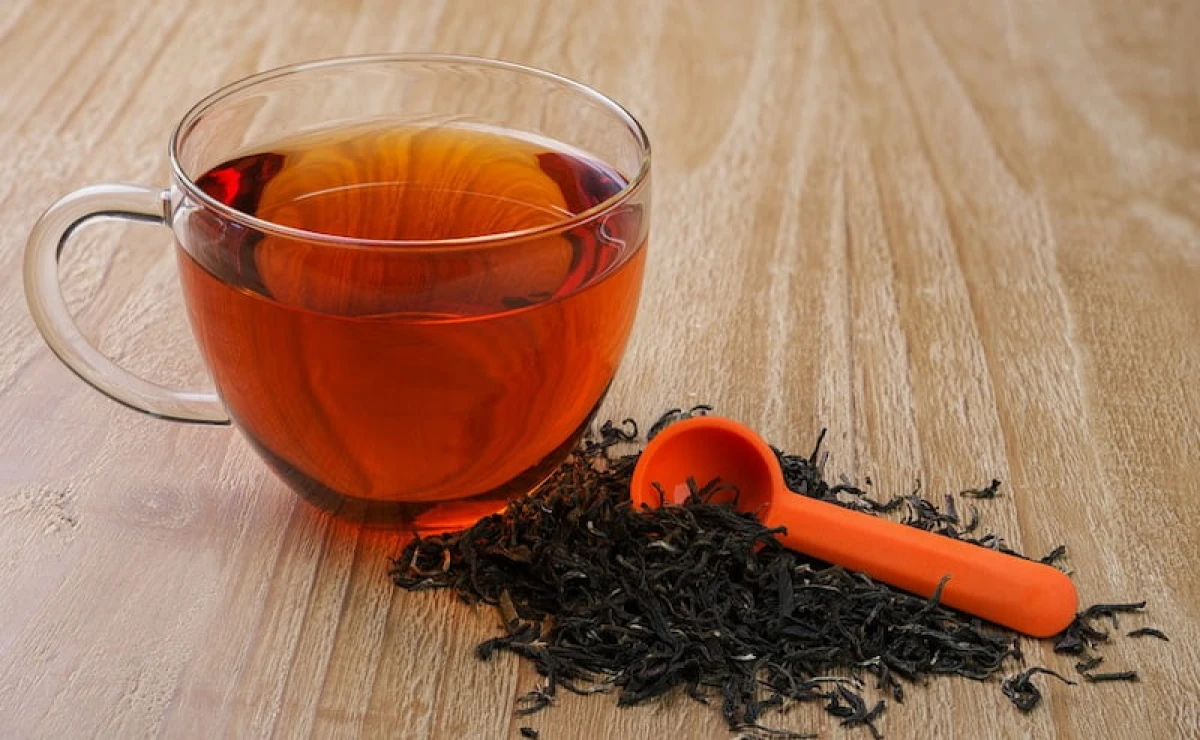
In recent years, tea has experienced a new surge in popularity, transforming from a familiar drink into an element of lifestyle. Experts link this trend to global changes in consumer habits: people are increasingly seeking ways to slow down, reduce stress levels, and return their attention to simple daily rituals.
The Trend of Slowing Down and Mindfulness
According to experts, interest in tea is growing against the backdrop of fatigue from the fast pace of life, the "clip-like" nature of content, and constant rush. Unlike takeaway coffee, which is associated with dynamism and multitasking, tea requires time: it needs to be brewed, waited for, and savored in aroma and taste. This process becomes part of a broader trend toward mindfulness and attention to detail.
An Alternative to Coffee and New Consumption Habits
Experts note that tea is increasingly seen as a softer alternative to coffee. It not only helps diversify the diet but also fits better into the concept of a balanced lifestyle. Against this backdrop, interest in various types of tea is growing — from classic black and green to matcha and herbal blends, whose popularity is enhanced by the trend toward health and naturalness.
Emotional and Sensory Value
The tactile and emotional aspect plays a separate role. Tea drinking becomes not just a way to quench thirst, but a full-fledged ritual: the warmth of the cup, the aroma of the drink, and the brewing process create a sense of coziness and "grounding." This is especially in demand in conditions of information overload and constant tension.
The Market and New Formats
The growing popularity of tea is also confirmed by market development: new drink formats are emerging, including functional teas with additives for sleep, energy, or stress reduction. Producers are actively experimenting with flavors and presentation formats, targeting a young audience and its interest in new gastronomic experiences.
A Drink with History and Modern Meaning
Despite modern interpretations, tea remains a drink with a centuries-old history, originally used as a medicinal remedy and later becoming part of everyday culture. Today, it is regaining significance — now as a symbol of a calmer and more mindful lifestyle.
...Thus, the popularity of tea is explained not only by its taste qualities but also by a changing attitude towards everyday habits: more attention is being paid to the process rather than the speed.















Leave a comment