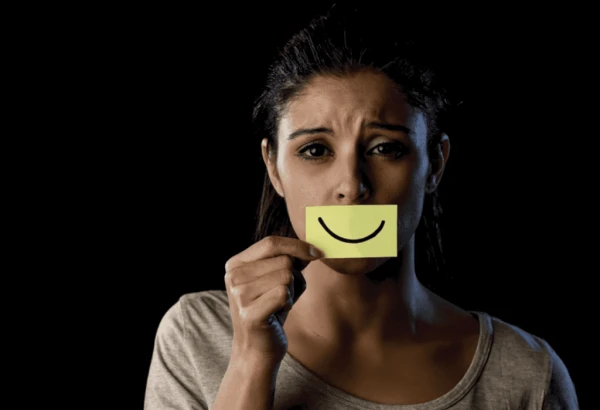
Toxic positivity is a phenomenon that may seem harmless at first glance, but in practice can cause serious harm to mental health and relationships between people. It refers to a situation where any negative emotions are ignored or devalued under the guise of "the right mindset" and the desire to maintain optimism at all costs.
What is Toxic Positivity
According to specialists, toxic positivity manifests in the desire to suppress or deny negative emotions — both one’s own and those of others — in the name of the illusion of constant well-being. In practice, this looks like familiar phrases: "don’t worry," "everything will be fine," "look on the bright side." Despite the outward support, such reactions often leave a person feeling lonely and misunderstood, as their real experiences are ignored.
How to Recognize Toxic Behavior
Experts note several characteristic signs. Among them are the devaluation of others’ emotions, a prohibition on expressing sadness or anger, and the belief that any negative feelings are a sign of weakness. Toxic positivity can also manifest in the imposition of "mandatory happiness," where a person must appear joyful regardless of the circumstances. Such pressure hinders the experience of real emotions and leads to internal conflict.
Why It’s Dangerous for Mental Health
Psychologists emphasize that ignoring negative emotions does not eliminate them but only increases internal tension. This strategy can evoke feelings of guilt and shame for "incorrect" experiences. Furthermore, constant suppression of emotions deprives a person of the ability to respond adequately to life’s challenges and find solutions. In the long term, this can lead to emotional burnout and a decline in psychological well-being.
Why It’s Important to Acknowledge Any Emotions
Modern psychology posits that emotions are not divided into "good" and "bad" — all of them serve an important function, signaling a person’s needs. Attempting to replace real feelings with artificial optimism disrupts this balance and deprives a person of contact with themselves. Unlike toxic positivity, a healthy approach involves accepting any emotions and consciously experiencing them.
How to Protect Yourself from Toxic Positivity
Specialists advise paying attention to your own reactions and not ignoring internal signals. It’s important to surround yourself with people who can not only support you but also listen. If you regularly feel that your feelings are devalued in communication, it’s worth reconsidering such relationships and establishing personal boundaries. True support is not a call to "smile," but a willingness to be present in any state.
...Toxic positivity is not care, but a form of denial of reality that hinders a person from experiencing emotions and coping with difficulties. A conscious attitude towards one’s feelings and respect for the experiences of others is the key to psychological well-being and healthy relationships.